Shop on Lazada
Zoya products
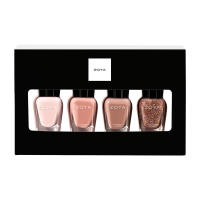
Elegant Neutrals Quad Petite Nail Polish Gift Set (Zoya Nail Polish)
₱1,550.00
Buy on Lazada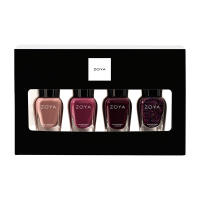
Rose Quad Petite Nail Polish Gift Set (Zoya Nail Polish)
₱1,550.00
Buy on Lazada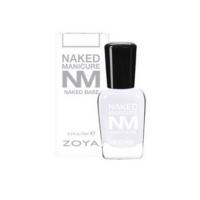
Naked Base Coat (Zoya Nail Polish) - 15 ml
₱475.00
Buy on Lazada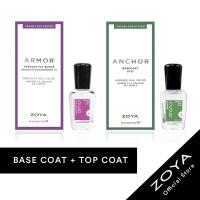
Zoya Anchor Base Coat & Armor Top Coat Bundle
₱900.00
Buy on LazadaMarvelous Mauves Quad Petite Nail Polish Gift Set (Zoya Nail Polish)
₱1,550.00
Buy on Lazada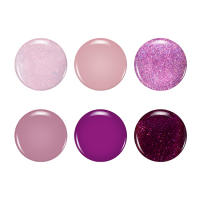
Everlasting Sampler (Zoya Nail Polish)
₱2,555.00
Buy on Lazada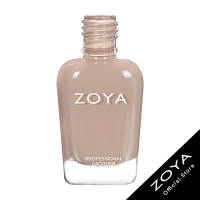
Zoya Nail Lacquer Noah - 15 ml
₱480.00
Buy on Lazada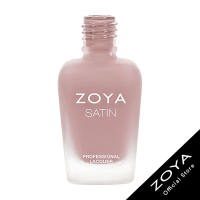
Zoya Nail Lacquer Satin Brittany - 15 ml
₱480.00
Buy on LazadaAbout Zoya
Zoya is an Indonesian Muslim fashion and lifestyle brand recognized for its hijabs, modest clothing, and accessories. Developed under Shafira Corporation (SHAFCO), a Bandung-based fashion company that also owns the established Shafira label, Zoya was introduced in 2005. It originally emerged from Rumah Kerudung Lamara with the objective of making fashionable Muslim clothing and hijabs more accessible to middle-market consumers in Indonesia.1
While Shafira Corporation cites 2005 as the founding date, some secondary sources describe the formal development or relaunch of Zoya differently, referencing 2006 or a 2009 relaunch. The most accurate interpretation is that Zoya originated in 2005 and subsequently underwent a period of consolidation and expansion as a standalone brand.11
History
Background: Shafira
Zoya’s origins are tied to Shafira Corporation, which was established on 8 January 1989 through the Shafira Muslim-fashion brand. Founder Feny Mustafa entered the market when Muslim clothing in Indonesia was less mainstream than it is today. Shafira was positioned toward the premium segment and built a reputation for elegant Muslim fashion.
As the Indonesian Muslim-fashion market expanded, Shafira identified an opportunity to reach consumers outside its premium target demographic, leading to the development of a more accessible concept.
Establishment of Zoya
Zoya originated from Rumah Kerudung Lamara, a Shafira Corporation venture focused on headscarves. Although the company initially experimented with several scarf brands, Zoya demonstrated significant success in consumer interest and sales. Consequently, Shafira concentrated its resources on developing Zoya as a major brand.11
Shafira Corporation describes Zoya’s original purpose as providing Muslim clothing that was affordable, lightweight, easy to wear, and easy to match, featuring varied colors and motifs.2 This positioning differentiated Zoya from its parent company’s premium label:
- Shafira: Premium and elegant Muslim fashion
- Zoya: Accessible, youthful, and practical Muslim fashion
Brand Positioning
Zoya is positioned as an accessible modern modest fashion brand. Rather than competing solely on religious identity, it combines several key attributes:
Modesty
Products are designed around Muslim dress requirements and modest styling principles.
Fashion
The use of colors, prints, silhouettes, and seasonal collections allows customers to treat hijabs and modest clothing as fashion products rather than purely functional attire.
Practicality
The brand has historically emphasized products that are easy to wear and combine with other clothing. Shafira Corporation describes this philosophy using the concepts “light,” “easy to wear,” and “easy to match.”2
Accessibility
Zoya was created partly to address the gap between premium Muslim-fashion brands and the broader middle market.1
Products
Zoya’s current product range extends significantly beyond its original hijab-focused identity. The official online store features diverse categories:1213
Hijabs
- Plain square scarves17
- Printed scarves18
- Bergo and instant hijabs15
- Inner hijabs
- Other scarf styles20
Women’s Clothing
- Tops
- Jackets
- Dresses
- Pants
- Officewear
- Modest casualwear
Current collections include products specifically described as busui-friendly (breastfeeding-friendly) and wudhu-friendly (ablution-friendly), reflecting an effort to combine modest-fashion requirements with contemporary everyday utility.16
Men’s Wear
The brand also offers menswear, including items such as cotton slub koko shirts.19
Accessories and Beauty
Zoya has historically offered accessories to complete Muslim women’s outfits. In 2013, Shafira Corporation launched Zoya Cosmetics, extending the brand into the beauty category for consumers seeking products aligned with their Muslim-fashion lifestyle.34 Historically, the cosmetics range included lip products, foundation, powder, eye makeup, mascara, eyeliner, blush, makeup remover, and skincare.4
Brand Philosophy
Historical descriptions of Zoya identify its brand philosophy as “Light and Color,” reflecting an emphasis on lightweight products, comfortable styling, and a broad palette of designs.5 A recurring theme in Zoya’s positioning is that Muslim women should not have to sacrifice attractiveness or contemporary fashion while wearing hijab. The brand proposition can be summarized as Islamic modesty combined with contemporary fashion, practicality, and affordability.
Target Market
Zoya’s principal audience has historically been Indonesian Muslim women seeking fashionable yet accessible modest clothing. Its market extends beyond hijab wearers to address various occasions, including everyday wear, office work, casual outings, religious activities, special occasions, and fashion styling. The presence of officewear collections alongside everyday scarves and dresses demonstrates a shift toward providing a complete modest wardrobe.14
Distribution and Retail
Zoya utilizes multiple distribution channels, including brand-owned retail stores, agents, distributors, network/franchise-style stores, and online commerce. A 2022 academic study described Zoya’s business model as having three major pillars involving retail, agency/distribution, and network-store/franchise models.6 This structure has enabled the brand to develop an omnichannel retail presence combining physical stores with digital commerce.
Relationship with Shafira Corporation
Zoya operates within the Shafira Corporation ecosystem. The corporate structure positions Shafira as the premium Muslim fashion label, Zoya as the accessible/fashionable Muslim fashion label, and Zoya Cosmetics as a lifestyle extension. Shafira Corporation identifies both Shafira and Zoya among its core brands, confirming that Zoya originated as part of the broader Shafira business ecosystem rather than as an independent startup.1
Significance in Indonesian Fashion
Zoya’s significance is linked to the normalization and commercialization of hijab fashion in Indonesia. While Shafira began in 1989 when Muslim fashion was a niche market, Zoya emerged during Indonesia’s transition into a major global Muslim-fashion market. It addressed a specific need for fashionable Muslim clothing that was less exclusive and more accessible to ordinary consumers.1 Zoya represents a shift from viewing Muslim clothing as primarily functional or religious attire toward treating it as an integrated fashion and lifestyle category.
Brand Evolution
- 2005 (Origin): Zoya emerges from Rumah Kerudung Lamara as a more accessible Muslim-fashion proposition.11
- Late 2000s (Consolidation): Zoya becomes the primary focus after performing strongly among Lamara’s various scarf brands; sources describe a subsequent relaunch and expansion of its hijab assortment.7
- 2010s (Diversification): The brand expands from hijabs into clothing, accessories, and additional lifestyle categories. Zoya Cosmetics launches in 2013.8
- 2020s (Digital/Modern Modest Fashion): The online assortment includes contemporary officewear, dresses, jackets, pants, scarves, and functional modest-fashion features such as wudhu-friendly and busui-friendly designs.9
Current Identity
As of 2026, Zoya is characterized as an established Indonesian modest-fashion brand rather than solely a hijab brand. While its strongest historical association remains the hijab, its current product assortment covers a wider wardrobe. The official store presents products ranging from approximately Rp49,900 scarves to apparel priced in the hundreds of thousands of rupiah, illustrating its positioning toward accessible fashion rather than luxury.10
Founder: Feny Mustafa
Feny Mustafa is the entrepreneur behind the broader Shafira business and is closely associated with the creation and development of Zoya. She founded Shafira in 1989 and subsequently developed the businesses that led to Zoya, motivated by a desire to make Muslim clothing more attractive and contemporary during a period when the sector was underdeveloped in Indonesia.5 Her business strategy created a portfolio covering different levels of the Muslim-fashion market:
| Brand | General Positioning |
|---|---|
| Shafira | Premium/elegant Muslim fashion |
| Zoya | Accessible contemporary Muslim fashion |
| Zoya Cosmetics | Beauty/lifestyle extension |
| Mezora | Mass-market Muslim fashion |
Although the exact portfolio has evolved, the underlying strategy remains serving different segments of Indonesia’s Muslim consumer market.
Distinctive Characteristics
Five key characteristics define the Zoya brand:
- Hijab Heritage: Zoya originated specifically from a scarf and hijab business.
- Accessible Positioning: It was designed to reach consumers below Shafira’s premium target market.1
- Fashion-First Approach: The brand treats modest clothing as fashion rather than merely functional religious attire.
- Practicality: “Easy to wear” and “easy to match” are recurring themes in brand positioning.2
- Brand Ecosystem: Zoya has expanded beyond scarves into clothing, accessories, and beauty.
References
- Shafira Corporation (Shafco) | LinkedIn
- ZOYA
- (PDF) MENGELOLA BISNIS FASHION BRAND ZOYA DI INDONESIA
- Shafira Corporation | LinkedIn
- Miliki 140 Gerai hingga 2 Ribu Karyawan, Ini 7 Fakta Menarik Feny Mustafa, Pendiri Brand Kerudung Zoya
- STRATEGI PEMASARAN PRODUK MELALUI KONSEP NEW WAVE
- Shafira Corporation (Shafco) membuka lowongan Ecommerce Specialist di Bandung | LinkedIn
- Shafira Corporation (Shafco) membuka lowongan Fashion Designer di Bandung | LinkedIn
- ZoyaID | LinkedIn
- Shafira Corporation (Shafco) | LinkedIn
- Sejarah Lahirnya Brand “Zoya”
- ZOYA
- Products – ZOYA
- ZOYA
- Hijab Instan – ZOYA
- Categories – ZOYA
- Plain Scarf – ZOYA
- Printed Scarf – ZOYA
- Zoya Arsenio Menswear – Baju Koko Pria Lengan Pendek – Bahan Cotton Slub – ZOYA
- HIJAB COLLECTION – Page 2 – Zoya