Shop on Lazada
BIODERMA products
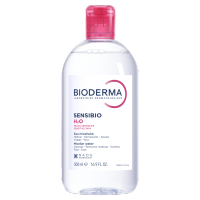
Bioderma Sensibio H20 500ml
₱1,759.00
Buy on Lazada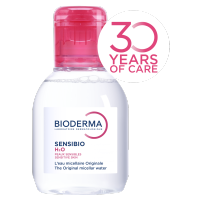
Bioderma Sensibio H20 100ml Soothing Skin and Make-up Removal for Sensitive Skin
₱629.00
Buy on Lazada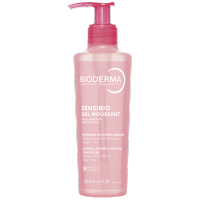
Bioderma Sensibio Gel Moussant 200ml For Cleansing Pores
₱1,899.00
Buy on Lazada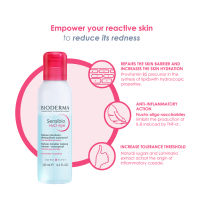
Bioderma Sensibio H2O Eye 125ml For Soothing Skin and Make-up Removal
₱1,669.00
Buy on Lazada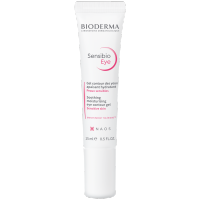
Bioderma Sensibio Eye Contour Gel 15ml For Soothing Skin and Reducing Redness
₱1,189.00
Buy on Lazada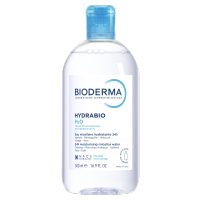
Bioderma Hydrabio H20 500ml Moisturizing and Make-up Removal for Dry Sensitive Skin
₱1,709.00
Buy on Lazada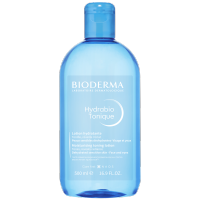
Bioderma Hydrabio Tonique 250ml - Hydration for Dry Sensitive Skin
₱1,509.00
Buy on Lazada
Bioderma Hydrabio Serum 40ml - Hydration and Radiance for Dry Sensitive Skin
₱2,589.00
Buy on LazadaAbout BIODERMA
Brand Overview
BIODERMA is a French dermatological skincare brand operating within the NAOS group. It is distinguished by an approach that integrates dermatology, biology, and skincare, rather than treating cosmetics solely as beauty enhancers. Its central philosophy, known as Ecobiology, views the skin as a living ecosystem and aims to support its natural biological mechanisms.1 NAOS describes itself as an international French company, with BIODERMA serving as its primary dermatology-focused brand.2
| Category | Information |
|---|---|
| Brand | BIODERMA |
| Origin | France |
| Founded | 1977 |
| Founder (NAOS) | Jean-Noël Thorel |
| Parent Organization | NAOS |
| Industry | Dermatological skincare / Dermocosmetics |
| Core Philosophy | Ecobiology |
| Positioning | Science-led, dermatology-inspired skincare |
| Key Expertise | Sensitive skin, cleansing, hydration, acne-prone skin, dry/atopic skin, photoprotection, scalp care |
| Best-Known Product | Sensibio H2O micellar water |
| Major Innovation | Micellar water technology (1995) |
| Manufacturing/R&D | NAOS laboratories in Aix-en-Provence, France |
| International Presence | 130 countries |
Etymology and Philosophy
The name BIODERMA is a portmanteau of “biology” and “dermatology,” reflecting the brand’s foundational approach. Rather than addressing skin concerns from a purely cosmetic perspective, BIODERMA formulates products based on an understanding of the skin’s biological mechanisms. This philosophy is frequently articulated through concepts such as the skin ecosystem, barrier function, microbiome, biomimicry, and tolerance.
The brand defines its mission as “revealing the intelligence of the skin,” emphasizing the importance of understanding cutaneous biology before attempting to correct visible issues.5
History
1977: Foundation
BIODERMA’s origins are linked to Jean-Noël Thorel, a French pharmacist-biologist and founder of NAOS. In 1977, Thorel began developing skincare products grounded in biological principles, leading to the creation of the first BIODERMA products and the CEREDAP research centre.3 An early innovation was Nodé shampoo, formulated around the concept of non-detergence to cleanse without disrupting the scalp’s biological balance.4 This established a core tenet for the brand: caring for the skin without unnecessary disruption.
1980s: Scientific Platform Development
Throughout the 1980s, NAOS expanded its research and manufacturing capabilities. In 1985, DIPTA was established to manage R&D, industrialization, and production for both BIODERMA and Institut Esthederm.14 During this period, the company positioned itself at the intersection of pharmaceutical science and cosmetics, contributing to the emergence of the dermocosmetics category.
1995: Micellar Water Innovation
A pivotal milestone occurred in 1995 with the development of micellar water technology. This innovation resulted in Sensibio H2O (originally marketed as Créaline H2O in some regions), a cleanser designed to remove makeup while respecting sensitive skin. The formulation utilizes micelles to attract impurities while preserving the skin’s protective barrier.6 This product is credited with establishing micellar water as a distinct skincare category globally.15
2001–Present: International Expansion
NAOS opened its first foreign affiliate in Italy in 2001, marking the beginning of significant international expansion.16 In 2016, the activities of BIODERMA, Institut Esthederm, and Etat Pur were consolidated under the NAOS organization.17 More recently, NAOS established a shareholder foundation and the NAOS Institute of Life Science in 2018.18 Throughout the 2020s, BIODERMA has continued to expand its dermatological portfolio alongside NAOS’s broader Ecobiology research platform.19
Corporate Structure
BIODERMA is not an independent corporate entity but a brand within the NAOS group. NAOS also owns Institut Esthederm, which applies ecobiology to aesthetics, and Etat Pur, which focuses on personalized minimalist skincare. These brands were unified under the NAOS organization in 2016.7 BIODERMA is specifically designated as the NAOS brand where ecobiology is applied to dermatology.8
Ecobiology
Ecobiology is the defining scientific framework of BIODERMA. Combining “ecosystem” and “biology,” it posits that the skin is a living ecosystem that interacts with its environment and possesses inherent mechanisms for maintaining equilibrium.9 Unlike traditional approaches that may simply suppress visible symptoms, the ecobiological approach seeks to understand biological imbalances and work with the skin’s natural physiology to restore and maintain health. The philosophy emphasizes supporting skin function rather than over-treating it.10
Scientific Principles
BIODERMA’s formulation strategy is guided by several recurring principles:
- Respect for the skin: Products prioritize tolerance and the preservation of protective functions.
- Understanding the cause: The objective extends beyond symptom management to addressing underlying biological imbalances.
- Biological alignment: Skin is treated as an active biological system rather than a passive surface.
- Biomimicry: Ingredients and mechanisms are selected to work in harmony with existing skin biology.
- Dermatological expertise: Development involves collaboration with healthcare professionals; the company reports working with over 150,000 dermatologists and healthcare professionals worldwide.
Product Portfolio
BIODERMA organizes its product range by specific skin conditions rather than conventional cosmetic categories. In the Philippines, key ranges include Atoderm for dry and atopic-prone skin.22
Sensibio
Targeting sensitive and reactive skin, Sensibio is the brand’s flagship range. It addresses redness, discomfort, irritation, and compromised tolerance. Its most prominent product, Sensibio H2O, was the first micellar water created using the brand’s proprietary technology in 1995 and remains its most globally recognized offering.
Atoderm
Atoderm is formulated for dry, very dry, and atopic-prone skin. The range focuses on moisturizing, nourishing, supporting the skin barrier, and reducing discomfort associated with dryness. It includes body cleansers, creams, and balms designed to maintain skin resilience.22
Sébium
Designed for oily, combination, and acne-prone skin, Sébium manages blemishes and excess sebum while maintaining appropriate skin balance. The range includes cleansing, treatment, and moisturizing products that avoid overly aggressive drying.
Hydrabio
Hydrabio targets dehydrated skin, distinguishing it from dry skin (which lacks lipids). This range emphasizes hydration and mechanisms related to the skin’s ability to retain and distribute water.
Photoderm
Photoderm comprises the brand’s photoprotection range, offering facial and body sunscreens for various skin types and exposure needs. It reflects a dermatological approach to UV protection rather than a purely cosmetic one.12
Pigmentbio
This range addresses hyperpigmentation, dark spots, uneven complexion, and post-inflammatory pigmentation.
Cicabio
Cicabio supports compromised or irritated skin, focusing on aiding the recovery process and maintaining an environment conducive to repair.
Nodé
Nodé covers hair and scalp care, tracing its lineage to the original Nodé shampoo launched in 1977, which BIODERMA cites as its first ecobiological innovation.
Research and Development
R&D is integral to BIODERMA’s identity. NAOS reports employing over 120 biologists and chemists in its laboratories, with development processes involving dermatologists, allergologists, and toxicologists.13 The company collaborates with research organizations including INSERM, CNRS, and MedILS. BIODERMA states that more than 1,000 clinical studies have been conducted across nearly 30 countries in recent years. These figures represent company-reported data regarding its internal R&D activities.
Professional Collaboration
Professional credibility is central to the brand’s positioning. BIODERMA emphasizes collaboration with dermatologists, pediatricians, oncologists, pharmacists, hospital professionals, and researchers. These experts participate in research programs and help identify needs associated with various skin disorders.18 This engagement supports a medical-professional credibility strategy, even though products are positioned as dermocosmetics rather than prescription medicines.
Market Positioning
BIODERMA occupies a distinct space between pharmacy skincare, clinical dermatology, and mainstream consumer products. It is generally perceived as more science- and dermatology-oriented than conventional beauty brands while remaining accessible without prescription. Key brand attributes include its French origin, scientific foundation, gentleness, accessibility, and focus on specific skin conditions.
In the global market, BIODERMA’s primary equity is trust rather than luxury aspiration. Communication focuses on understanding and respecting skin biology to help it function properly. This resonates with consumers seeking sensitive-skin solutions, pharmacy-grade skincare, dermatologist-associated brands, and minimalist routines. Sensibio H2O often serves as an entry point, introducing consumers to the brand before they explore other specialized ranges.2021
Manufacturing and Identity
BIODERMA maintains a strong French dermocosmetic identity, with R&D and production centered at NAOS facilities in Aix-en-Provence, France.11 Despite this localized manufacturing base, the brand has a highly international footprint, with NAOS reporting presence in 130 countries.12 This combination of French pharmaceutical tradition and global accessibility defines its modern market position.
References
- La marque dermatologique NAOS
- Notre approche unique : l’écobiologie
- Nos engagements
- La marque
- La mission de BIODERMA
- Skin biology at the service of dermatology | BIODERMA
- About BIODERMA – NAOS STORE
- The NAOS’s dermatological brand | BIODERMA US
- BIODERMA is NAOS dermatological brand at the service of health
- BIODERMA | Empower skin health
- Our commitments | BIODERMA
- Photoderm Sunscreen SPF 50 I Expert Sun Protection
- Skincare – Daily skincare | BIODERMA
- BIODERMA | BIODERMA est la marque dermatologique de NAOS au service de la santé
- Notre entreprise | BIODERMA
- Chăm sóc | Website chính thức của BIODERMA Việt Nam
- Các sản phẩm của chúng tôi – Bioderma
- Được kê đơn bởi bác sĩ da liễu – Bioderma
- Mặt | Website chính thức của BIODERMA tại Việt Nam
- Chăm sóc – Mặt Cùng Với Các Sản Phẩm Thương Hiệu Bioderma
- Các sản phẩm chăm sóc da ban ngày của nhãn hàng Bioderma
- Atoderm | BIODERMA I OFFICIAL WEBSITE Philippines