Shop on Lazada
Yves Rocher products
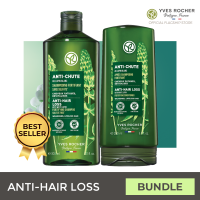
YVES ROCHER Anti Hair Loss Grower Shampoo 300ml & Conditioner 200ml for Hair Growth with Proven Effectiveness
₱1,164.00₱1,790.00
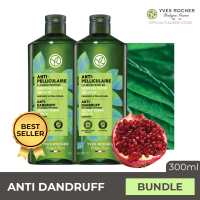
YVES ROCHER Anti Dandruff Shampoo 300ml x2 Botanical Hair Care Bestseller Flakes-Free Sulfate-Free Scalp Shampoo
₱1,373.00₱1,990.00
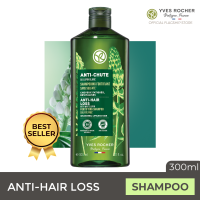
Yves Rocher Anti Hair Loss Fortifying Shampoo with White Lupin - 300ml for Stronger Thicker Hair
₱627.00₱895.00
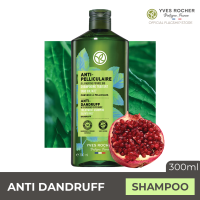
Yves Rocher Anti Dandruff Treatment Shampoo with Organic Peppermint - 300ml Eliminates Dandruff
₱726.00₱995.00
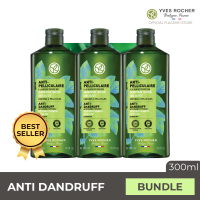
YVES ROCHER Anti Dandruff Shampoo 300ml Bundle of 3 Original Hair Care Bestseller Flakes-Free Sulfate-Free
₱1,970.00₱2,985.00
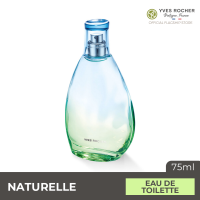
Yves Rocher Naturelle Eau de Toilette EDT - 75ml Fresh Floral Green Perfume for Men & Women
₱1,516.00₱1,995.00
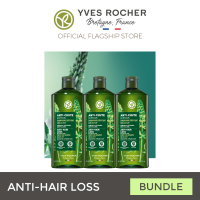
YVES ROCHER Anti Hair Loss Grower Shampoo 300ml Bundle of 3 for Hair Growth with Proven Effectiveness Sulfate-Free
₱1,692.00₱2,685.00
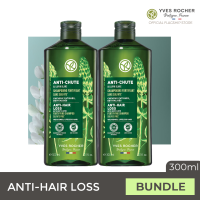
YVES ROCHER Anti Hair Loss Grower Shampoo 300ml Bundle of 2 for Hair Growth with Proven Effectiveness Sulfate-Free
₱1,164.00₱1,790.00
About Yves Rocher
Yves Rocher is a French cosmetics and beauty brand established in 1959 by Yves Rocher in La Gacilly, Brittany, France. The brand is defined by its philosophy of botanical beauty, which integrates plant-based ingredients, botanical research, and a commitment to biodiversity. Today, Yves Rocher serves as the flagship brand of Groupe Rocher, a family-owned French group that continues the founder’s original vision. The company operates internationally, offering a wide range of skincare, haircare, body care, makeup, and fragrance products.1
Basic information
| Category | Information |
|---|---|
| Brand name | Yves Rocher |
| Founded | 1959 |
| Founder | Yves Rocher |
| Country of origin | France |
| Birthplace of the brand | La Gacilly, Brittany |
| Parent group | Groupe Rocher |
| Industry | Cosmetics, beauty, personal care |
| Core concept | Botanical / plant-based beauty |
| Main categories | Skincare, haircare, body care, makeup, fragrances |
| Distribution | Stores, e-commerce and other retail channels |
| International presence | About 90 markets |
| Positioning | Accessible French botanical beauty |
| Key philosophy | “Together, let’s unleash the power of plants.” |
Groupe Rocher reports that Yves Rocher maintains approximately 2,300 points of sale and serves more than 20 million customers worldwide, with operations spanning around 90 markets.
Founder: Yves Rocher
Yves Rocher (1930–2009) was born in La Gacilly, a small village in Brittany. His deep connection with nature developed significantly during his adolescence. Following the death of his father when he was 14, he spent considerable time in the surrounding forests. This immersion in nature led him to create a cream based on lesser celandine in the attic of his family home. This early experiment laid the foundation for the brand’s botanical cosmetics philosophy.2 Unlike conventional beauty businesses of the era, Yves Rocher believed that plants could provide effective cosmetic ingredients while simultaneously reconnecting consumers with the natural world.
Foundation of the brand
In 1959, Yves Rocher established a laboratory in the attic of his family home in La Gacilly. A pivotal innovation was the adoption of mail-order and direct selling. By bypassing traditional retail intermediaries, the company communicated directly with consumers and offered beauty products at accessible price points. This early business model combined botanical cosmetics, direct distribution, and affordability under the concept of “Beauty through plants,” which later evolved into the registered trademark Botanical Beauty® / Cosmétique Végétale®.
Philosophy and vertical integration
The central tenet of Yves Rocher is that nature serves not merely as an ingredient supplier but as a source of knowledge and inspiration. The brand positions itself as a pioneer of botanical cosmetics, combining botany, scientific research, plant cultivation, formulation, manufacturing, distribution, and environmental commitments. This integrated approach is frequently summarized by the phrase “from plant to skin.” Rather than relying solely on external suppliers for botanical extracts, Yves Rocher has historically sought to control or participate in multiple stages of the value chain.3
This vertically integrated model distinguishes the brand within the beauty industry. The ecosystem encompasses studying plants, cultivating selected species, harvesting raw materials, developing extraction methods, formulating cosmetics, manufacturing products, and distributing them to consumers. The objective of this comprehensive oversight is to ensure quality, traceability, formulation integrity, and reduced environmental impact.3
La Gacilly and botanical heritage
La Gacilly remains central to the identity of Yves Rocher. The Breton village serves as the birthplace of both the founder and the brand, as well as a hub for research, botanical cultivation, and manufacturing. It symbolizes the company’s enduring relationship with nature. Around this heritage, the company has developed the Vallée de la Cosmétique Végétale®.4 For Yves Rocher, La Gacilly functions as more than a corporate headquarters; it is integral to the brand’s mythology and identity.
Botanical Garden
In 1975, Yves Rocher established a botanical garden in La Gacilly to serve as an open-air laboratory for preserving and studying plants. Current company materials state that the site houses more than 5,000 plant species, although older documentation cited approximately 1,500 species in specific contexts.5 This facility underscores that botanical research is presented as a historical foundation of the company rather than solely a marketing theme.
Organic agriculture
Yves Rocher manages its own agricultural activities, stating that it cultivates 60 hectares of fields in La Gacilly using agroecological practices. These fields have been certified organic since 1999. Emblematic plants grown for the brand include cornflower, calendula, peppermint, matricaria chamomile, Roman chamomile, edulis, nasturtium, arnica, and ficoid. These crops form part of the brand’s botanical identity and research heritage.
Product portfolio
Yves Rocher maintains a broad beauty portfolio extending beyond skincare. The brand describes its core activities as encompassing care, makeup (“colors”), and fragrances.6
Skincare
Skincare is a primary pillar of the brand’s identity, including cleansers, toners, moisturizers, serums, eye care, anti-aging products, masks, exfoliators, and targeted treatments.
Haircare
The haircare range emphasizes botanical ingredients and includes shampoos, conditioners, hair masks, treatments, and scalp products.
Body care
This category comprises shower gels, body lotions, hand creams, body scrubs, deodorants, and bath products.
Makeup
The brand offers products for the face, eyes, lips, and nails, alongside makeup removal solutions.
Fragrance
Yves Rocher maintains a substantial fragrance business featuring perfumes and botanical-inspired scents.
Iconic product: Riche Crème
Launched in 1973, Riche Crème is one of the brand’s most historically significant franchises. Positioned around rich botanical oils and rose-related ingredients, it exemplifies how Yves Rocher translated its botanical philosophy into mass-market beauty products with recognizable commercial appeal.7
Product philosophy
Yves Rocher products typically aim to combine three elements: nature as a source of active ingredients; science through botanical research and formulation rather than traditional herbalism; and accessibility. The brand is positioned as accessible premium or mass-premium botanical beauty rather than traditional luxury French cosmetics.
Sustainability and environmental responsibility
Environmental responsibility has been intrinsic to the company’s identity for decades. Key milestones include:
- 1989: Yves Rocher ceased animal testing, preceding European Union regulatory bans.
- 1991: The Yves Rocher Foundation was established to focus on biodiversity and environmental initiatives. Through tree-planting programs, the foundation and its partners have contributed to planting more than 125 million trees over approximately 30 years.8
- 1999: The La Gacilly agricultural fields received organic certification.
- 2021: Yves Rocher became the first French brand to obtain UEBT certification for the responsible sourcing of its emblematic plants.9
- 2021: The Green Heroes solid cosmetics range was launched, emphasizing plastic reduction and vegan formulations.10
- 2024: Fully recyclable eco-refills were introduced, designed to use four times less plastic than standard 400 ml bottles based on grams of plastic per milliliter of product.
Relationship with Groupe Rocher
Yves Rocher is the flagship brand of Groupe Rocher, a French family-owned group whose history originates with the founder. The group encompasses several brands, including Yves Rocher, Arbonne, SABON, and Dr Pierre Ricaud. Groupe Rocher describes itself as an independent, family-owned company employing more than 13,000 people across 111 countries.11 The group’s philosophy extends beyond cosmetics to a broader mission of reconnecting people with nature.
International expansion and distribution
Yves Rocher began its international expansion early, entering Belgium in 1970. Today, the brand operates in approximately 90 markets with around 2,300 points of sale and over 20 million customers worldwide. Despite this global reach, the brand retains a distinctly French and Breton identity.
The distribution model has evolved significantly from its origins. Initially famous for mail-order sales that allowed direct consumer communication and accessible pricing, the brand opened its first physical store at 43 Boulevard Haussmann in Paris in 1969. It subsequently developed an omnichannel strategy combining retail stores, direct sales, e-commerce, and other distribution channels.
Brand positioning and identity
Yves Rocher occupies a distinct position in the beauty industry characterized by strong French heritage, botanical positioning, scientific formulation, sustainability, and accessibility, rather than ultra-luxury status. Its primary differentiator is vertical integration—the “from plant to skin” model that encompasses cultivation through to distribution.
The brand’s visual and emotional identity is associated with green botanical imagery, French heritage, Breton roots, botanical science, biodiversity, and sustainable practices. It sits at the intersection of cosmetics and environmental storytelling.
Historical timeline
- 1930: Yves Rocher is born in La Gacilly, Brittany.
- Adolescence: Following his father’s death, he experiments with lesser celandine cream.
- 1959: The brand is created, and botanical cosmetics are sold via mail order.
- 1969: The first Yves Rocher store opens in Paris.
- 1970: International expansion begins in Belgium.
- 1973: Riche Crème is launched.
- 1975: The Yves Rocher Botanical Garden is created in La Gacilly.5
- 1979: Manufacturing capacity expands in Brittany.
- 1989: Animal testing ends.
- 1991: The Yves Rocher Foundation is established.8
- 1999: La Gacilly fields receive organic certification.
- 2021: UEBT certification is obtained, and Green Heroes solid cosmetics are launched.910
- 2024: Recyclable eco-refills are introduced to reduce plastic use.
- 2030 target: The brand aims to reduce plastic use by 30% versus 2019 levels and achieve 100% recycled and recyclable plastic packaging.
Strategic direction
The current strategy of Yves Rocher focuses on increasing investment in botanical ingredients and agroecological cultivation; reducing packaging and environmental impact; maintaining accessibility; integrating botanical knowledge with modern cosmetic science; and expanding circular economy initiatives such as solid products and refill formats. The company’s purpose is expressed as: “Together, let’s unleash the power of plants.”
Significance
Yves Rocher is historically significant for establishing botanical beauty as a mainstream cosmetics concept prior to the rise of “clean” or “green” beauty trends. Its core assets include over 60 years of heritage, a strong French-Breton identity, founder-led botanical philosophy, extensive expertise, an integrated “plant-to-skin” model, a broad product portfolio, a large international customer base, long-standing environmental initiatives, and an accessible market positioning. The brand proposition can be summarized as French, botanical, accessible, and responsible.
References
- Yves Rocher | Groupe Rocher
- History – Yves Rocher
- About us | Yves Rocher Hong Kong | No.1 Botanical Beauty From France
- Yves Rocher USA – Natural Beauty Products
- Yves Rocher Story Timeline
- Nos moments clés | Groupe Rocher
- Yves Rocher | Groupe Rocher
- Provide a responsible offer | Groupe Rocher
- Who are we
- who are we
- About Yves Rocher – Yves Rocher Thailand l No.1 Botanical Beauty Brand From France