Shop on Lazada
Clarins products
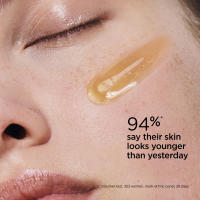
Clarins Double Serum 9th Generation (Anti-Aging)
₱10,500.00
Buy on Lazada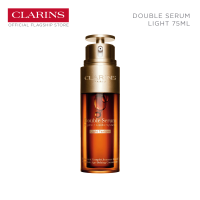
Clarins Double Serum Light Texture - Firming + Smoothing Anti-Aging Concentrate
₱10,500.00
Buy on Lazada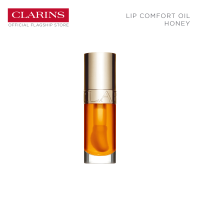
Clarins Lip Comfort Oil
₱1,900.00
Buy on Lazada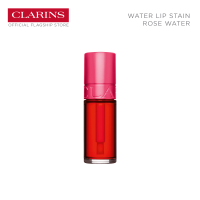
Clarins Water Lip Stain
₱1,900.00
Buy on Lazada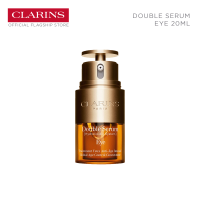
Clarins Double Serum Eye 20ml
₱5,100.00
Buy on Lazada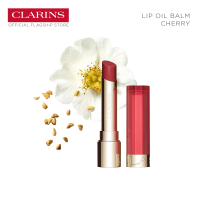
Clarins Lip Oil Balm
₱1,900.00
Buy on Lazada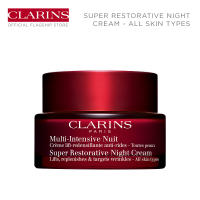
Clarins Super Restorative Night Cream - Anti-Aging Night Moisturizer for Menopausal Skin
₱10,300.00
Buy on Lazada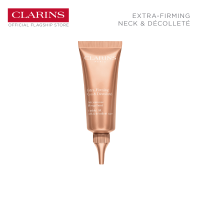
Clarins Extra-Firming Neck & Décolleté
₱7,000.00
Buy on LazadaAbout Clarins
Clarins is a French luxury beauty brand renowned for its skincare, facial and body treatments, make-up, and spa-inspired rituals. Established in Paris in 1954 by Jacques Courtin-Clarins, the brand built its reputation on integrating plant science, cosmetic research, professional treatment techniques, and attentive customer service. Today, Clarins serves as the flagship label of the privately held, family-owned Groupe Clarins, with products available in nearly 150 countries.1
The brand’s positioning is best summarised as premium French skincare where botanical ingredients, scientific research, and hands-on beauty expertise converge.
Basic profile
| Category | Details |
|---|---|
| Brand | Clarins |
| Origin | France |
| Founded | 1954 |
| Founder | Jacques Courtin-Clarins |
| Headquarters | Paris, France |
| Parent company | Groupe Clarins |
| Ownership | Courtin family / privately owned |
| Core categories | Skincare, body care, make-up, men’s skincare, spa/beauty treatments |
| Key philosophy | Plant science + efficacy + customer dialogue |
| Signature positioning | Premium French beauty / botanical skincare |
| Most famous product | Double Serum |
| Major markets | Europe, Asia, North America and other international markets |
| International reach | Nearly 150 countries |
Groupe Clarins describes itself as a French family-owned enterprise employing approximately 8,000 people worldwide, exporting 93% of its production to nearly 150 nations. According to the group’s cited market data, Clarins ranks as the No. 1 premium/high-end skincare brand in Europe.2
Origins and history
Unlike many luxury cosmetics houses that originated as perfumeries or traditional manufacturers, Clarins began as a beauty institute. In 1954, Jacques Courtin-Clarins opened his first establishment on Rue Tronchet in Paris, aiming to unite beauty, well-being, and science rather than treating cosmetics merely as decorative items.3
Having studied medicine, Courtin-Clarins sought a holistic approach to beauty. His direct engagement with clients allowed him to observe their concerns firsthand, using this feedback to develop tailored treatments and products. This established a defining characteristic of the brand: it evolved from treatment expertise into product development, and eventually into a global skincare company. This heritage remains evident today in the brand’s emphasis on massage techniques, application methods, spa treatments, and professional beauty rituals.
The name and family ownership
The brand takes its name from founder Jacques Courtin-Clarins. “Clarins” subsequently became the identity of both the beauty line and the wider corporate entity, Groupe Clarins. Although the company was once publicly listed, Christian and Olivier Courtin later took it private, returning full ownership to the family.4 This structure supports the company’s focus on long-term development, independence, and entrepreneurial continuity.
Core philosophy
Clarins’ philosophy rests on several interconnected pillars:
- Nature: Plants are fundamental to the brand’s identity, with extensive research into botanical ingredients and extracts.
- Science: Rather than positioning itself solely as “natural beauty,” Clarins combines botanical ingredients with cosmetic science, biology, phytochemistry, and formulation research.
- Touch: Due to its institute origins, massage and application technique remain integral to the brand experience.
- Customer dialogue: The company has historically prioritised listening to customers and incorporating their feedback into product improvement.
- French beauty: Clarins cultivates an image of French-made, French-developed premium beauty while operating a highly international business.
The company summarises this approach as delivering true beauty results powered by plant science and an ongoing dialogue with women.5
Plant science and research
Plant science is central to Clarins’ brand DNA. The company operates a phytochemistry laboratory dedicated to plant extracts, where researchers investigate hundreds of new ingredients.6 The development process typically follows a path from plant selection and extraction to laboratory analysis, biological evaluation, formulation, and finished cosmetic.
Research teams include specialists such as phytochemists, biologists, toxicologists, botanists, and ethnobotanists. Various plant parts—including leaves, flowers, fruits, and stems—are studied to identify molecules and extracts suitable for cosmetic formulations.7 Consequently, Clarins products frequently feature ingredients such as turmeric, harungana, yellow gentian, teasel, horse chestnut, ginger lily, leaf of life, giant Provençal reed, and various botanical oils.
This approach is more accurately described as “plant-powered science” rather than simple natural cosmetics. Clarins occupies a distinct position between traditional botanical beauty and modern cosmetic science, proposing that nature provides the ingredients while science determines their effective use. Its research philosophy combines nature, innovation, and biomimicry,8 distinguishing it from purely clinical dermatological brands or exclusively natural labels.
The Clarins Institut heritage
The Clarins Institut is a cornerstone of the company’s legacy. Because the brand began as a physical beauty institute, it developed proprietary methods of applying products through massage and manual techniques. This established the concept that a Clarins product involves not just the formula, but also the method of use: product + movement + pressure + massage technique + sensory experience.
This heritage explains the brand’s historical emphasis on facial and body massage, application techniques, professional treatments, spa experiences, and beauty consultations. It differentiates Clarins from brands whose identity relies almost entirely on formulation.
Product development and categories
Early innovations
Clarins was an early pioneer in retailing pure plant extracts and plant-based body oils through perfume and cosmetic channels. A historically significant product from this era is the Tonic Body Treatment Oil.9 Body care became a particular strength, with the brand developing a reputation for oils, creams, firming treatments, slimming products, and bath and shower items. This broad heritage extends well beyond anti-aging face creams.
Facial skincare
Facial skincare remains the core category, addressing concerns such as anti-aging, firming, hydration, radiance, uneven skin tone, dryness, sensitivity, and eye care. The range includes cleansers, exfoliators, serums, moisturisers, and masks.
Body care
Body care is one of Clarins’ historical strengths and is closely linked to its spa and massage heritage. Key categories include body oils, firming treatments, moisturisers, exfoliators, contouring products, and bath and shower items.
Make-up
Clarins expanded into make-up as a natural extension of its skincare philosophy. The portfolio includes foundation, concealer, blush, mascara, lip products, eye products, primers, and skin-enhancing items. The brand approaches colour cosmetics from a skincare-oriented perspective, viewing make-up as an extension of its skincare expertise rather than solely as trend-driven artistry.13
Men’s skincare
The brand operates ClarinsMen, a line introduced as the company expanded into male grooming. This range focuses on cleansing, hydration, shaving, after-shave care, anti-aging, eye care, and body care.14
Portfolio segmentation
Clarins has structured its portfolio to address different demographics and price points:
- My Clarins: A younger-oriented skincare range designed for consumers beginning their skincare journey.15
- Clarins: The core prestige skincare line.
- Clarins Precious: An ultra-premium luxury skincare collection.
| Position | Range |
|---|---|
| Younger / accessible premium | My Clarins |
| Core prestige | Clarins |
| Luxury / ultra-premium | Clarins Precious |
This architecture allows the company to compete across multiple segments while maintaining its botanical and scientific heritage.
Double Serum
If one product represents Clarins, it is Double Serum. Launched in 1985 when the serum category was still emerging, it featured a dual-phase formulation containing separate water- and oil-compatible components.10 This two-phase system—combining hydrophilic and lipophilic phases—allowed for the inclusion of ingredients with different properties in a single product, signified by a distinctive dual-chamber bottle design.
Modern formulation
Clarins has repeatedly reformulated Double Serum as technology advanced. The current generation integrates plant science with modern research, including epigenetics. The formulation now contains 22 plant extracts and 5 active molecules, supported by five years of research and six patents.11 Highlighted ingredients include turmeric, organic harungana, teasel, ginger lily, leaf of life, horse chestnut, plant-derived squalane, acetylated hyaluronic acid, and peptides. It targets multiple visible signs of aging, including firmness, wrinkles, radiance, hydration, and pore appearance.12 Double Serum has effectively become the brand’s technological symbol and hero product.
Brand identity and marketing
Visually and emotionally, Clarins is associated with botanical themes, a clinical-yet-luxurious aesthetic, Parisian heritage, sensory textures, mature sophistication, and responsible luxury. Historically, the brand appealed strongly to adult premium-skincare consumers who valued healthy-looking skin, long-term results, and trusted heritage over fleeting trends. However, ranges like My Clarins demonstrate efforts to broaden this demographic reach.
Relationship with women
A key element of Clarins’ philosophy is listening to women. Historically, the company implemented an early form of customer relationship management by placing customer cards inside product packaging to capture needs and preferences.16 This reflects a broader cycle of listening, understanding, formulating, and improving, which remains part of the stated brand philosophy.17
Marketing approach
Communication tends to emphasise beauty and well-being rather than transformation. Messaging commonly revolves around skin health, radiance, confidence, self-care, nature, French expertise, scientific innovation, and responsible beauty. This gives Clarins a softer personality compared to highly clinical skincare brands.
French luxury positioning
Clarins represents a specific type of French luxury distinct from fashion-led houses like Chanel or Dior. While those brands derive status from couture and iconic fashion, Clarins’ luxury is rooted in expertise, efficacy, plant science, and treatment heritage. Understanding this distinction is crucial to grasping the brand’s market position.
Sustainability and responsible beauty
Sustainability has become increasingly central to Clarins. The company defines its purpose as “Making life more beautiful, passing on a more beautiful planet.”18 Environmental initiatives include sustainable plant sourcing, biodiversity protection, regenerative agriculture, reduced packaging impact, recyclable materials, and sustainable forestry.
Clarins operates Domaine Clarins sites for growing and researching plants. One newer site near Nîmes spans 115 hectares and is dedicated to regenerative agriculture and plant research.19 The company states that in 2025, 80% of plants used in Clarins skincare products were organic, with plans to further expand regenerative agriculture.20
It is important to note that Clarins is not simply a natural or organic cosmetics brand. Products combine plant extracts with synthetic or isolated cosmetic ingredients, biotechnology, and formulation science.21 The proposition is best understood as nature-inspired premium skincare that is scientifically formulated, rather than 100% natural.
Manufacturing and corporate structure
Made in France
France remains central to Clarins’ identity. The manufacturing facility at Pontoise is where products are developed and produced for worldwide distribution.22 Laboratories there bring together specialists in formulation, plant science, and cosmetic research, combining Parisian heritage with French manufacturing and global distribution.
Family business model
Unlike many luxury beauty brands owned by conglomerates, Clarins retains its family-owned character. Christian and Olivier Courtin took the company private to preserve independence and pursue long-term development. This allows Clarins to position itself around long-term thinking, family heritage, independence, and French identity rather than the financial scale of a multinational group.
Groupe Clarins vs. Clarins
- Clarins: The consumer beauty brand selling skincare, body care, make-up, and related services.
- Groupe Clarins: The parent company owning and operating the Clarins business and other activities, including the brand myBlend.23
Market position and competitive advantages
Clarins occupies the prestige/luxury skincare segment. A simplified competitive map illustrates its positioning:
| Segment | Examples |
|---|---|
| Mass beauty | L’Oréal Paris, Olay, Nivea |
| Premium / prestige | Clarins, Clinique, Lancôme |
| Luxury skincare | Sisley, La Prairie, Augustinus Bader |
| Dermatological / science-led | La Roche-Posay, SkinCeuticals |
| Natural / clean-oriented | Tata Harper, Caudalie, various niche brands |
Clarins is distinctive because it combines prestige skincare, botanical expertise, and spa heritage. Five major competitive advantages underpin this position:
- Authentic heritage: The spa/treatment origin is genuine, not a later marketing addition.
- Centrality of plants: Botanical research has been present since the earliest products.
- Nature-science balance: The brand avoids being positioned solely as “natural” or “clinical.”
- Hero product strength: Double Serum provides strong brand association.
- Family ownership: Reinforces an independent French identity despite global scale.
Iconic products
Several franchises have become synonymous with the brand:
- Double Serum: The flagship anti-aging serum and most recognisable product.
- Tonic Body Treatment Oil: Strongly connected to the historic body-care and plant-oil heritage.
- Multi-Active: A major facial skincare franchise targeting early signs of aging.
- Beauty Flash Balm: A long-running product associated with instant radiance and skin preparation.
- Eye care: A category where Clarins has built substantial reputation.
- Clarins make-up: Particularly products bridging skincare and cosmetics.
Timeline
- 1954: Jacques Courtin-Clarins opens his Paris beauty institute.24
- 1960s: Development of plant-based skincare and body-care products.
- 1970s–80s: Acceleration of international expansion.
- 1985: Launch of Double Serum.25
- 1990s: Emergence as a major European prestige skincare player.
- 1990s–2000s: Expansion into make-up and men’s skincare.
- 2010s: Increased emphasis on sustainability, plant research, and responsible beauty.
- 2018: Launch of My Clarins for younger consumers.26
- 2020s: Greater investment in plant science, regenerative agriculture, and scientific research.
- 2024: Clarins celebrates its 70th anniversary.27
- 2025: Double Serum celebrates its 40th anniversary.28
Clarins today
As of 2026, Clarins functions as a global French premium skincare house with botanical science at its core. While far removed from the original Paris institute, the foundational concept remains consistent: listen to customers, study nature, apply science, and treat skincare as a beauty ritual. The group operates in nearly 150 countries, employs around 8,000 people, and remains family-owned.
Current strategic priorities emphasise plant science, scientific innovation, luxury skincare, responsible beauty, and global expansion, particularly in Asia and the Americas.29
References
- Our history – Clarins Group
- Clarins – Clarins Group
- About Clarins – Clarins Group
- Our purpose – Clarins Group
- 70 years of internationally acclaimed know-how made in France – Clarins Group
- Plant-Powered Beauty – Clarins Group
- What added benefits to plant extracts provide? – Clarins
- Expertise and Innovation – Clarins
- Double Serum, the anti-aging icon, celebrates its 40th birthday – Clarins Group
- Double Serum – A New Generation of an Icon®
- Caring for the planet – Clarins Group
- 70 Years – Clarins
- Paris Agreement: 10 Years on, Clarins continues its ambitious decarbonization path – Clarins Group
- Clarins We Care 2030: Our Commitment to People, Planet, and Purpose – Clarins Group
- Double Serum, the power to change your skin’s future – Clarins Group
- Clarins achieves B Corp™ status, marking a major step in its commitment to a more sustainable future – Clarins Group
- Clarins’ double innovation: ever more ambitious scientific research – Clarins Group
- History | Groupe Clarins
- Notre histoire – Groupe Clarins
- Clarins – Groupe Clarins
- Our 2030 Ambition – Clarins Group
- 10 Reasons to Trust Clarins – Clarins
- 10 Reasons to Trust Clarins – Clarins
- Our Commitment to Sustainability – Clarins
- We Trust – Our Values – Clarins
- Clarins Responsible Beauty: Commited to responsible sourcing | CLARINS®
- Environmental Responsibility – Clarins
- Our Commitments – Clarins
- What added benefits do plant extracts provide? – Clarins