Shop on Lazada
Del Monte products

Del Monte Creamy & Cheesy Spaghetti Sauce Party Pack (1.6kg x 2)
₱426.00
Buy on Lazada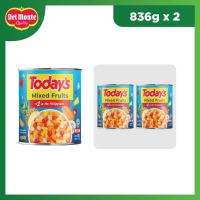
TODAYS Fruit Cocktail 836g x2 (save 190 grams!)
₱283.00
Buy on Lazada
Del Monte Sweet Style Spaghetti Sauce Party Pack (1.6kg x 2)
₱418.00
Buy on Lazada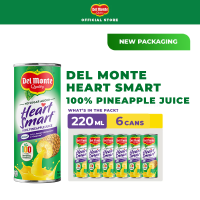
DEL MONTE 100% Pineapple Juice Drink Heart Smart with Reducol for Lower Cholesterol - 220ml x 6
₱303.00
Buy on Lazada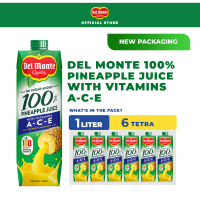
DEL MONTE 100% Pineapple Juice with Vitamin A-C-E to Support the Immune System - 1L x 6
₱894.00
Buy on Lazada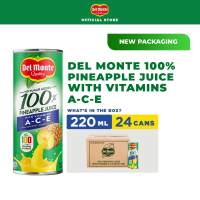
DEL MONTE 100% Pineapple Juice with Vitamin A-C-E to Support the Immune System - 220ml x 24
₱1,087.00
Buy on Lazada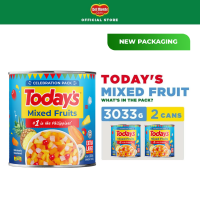
TODAYS Fruit Cocktail 3033g x2
₱911.00
Buy on Lazada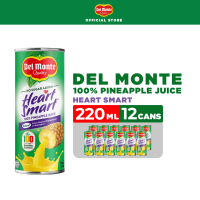
DEL MONTE 100% Pineapple Juice Drink Heart Smart with Reducol for Lower Cholesterol - 220ml x 12
₱606.00
Buy on LazadaAbout Del Monte
Overview
Del Monte is one of the world’s oldest and most recognizable food brands, best known for its canned fruits and vegetables, fruit juices, tomato-based products, fresh produce, and packaged foods. Founded in the United States in the late 19th century, the brand has grown into a global name sold in more than 100 countries. Over its long history, ownership of the Del Monte trademark has become divided among different companies depending on the region, making it a unique global brand with multiple operators. [1]
-
Brand name: Del Monte
-
Founded: 1886
-
Industry: Food and Beverage
-
Origin: United States
-
Products: Canned fruits and vegetables, fruit juices, ketchup, tomato sauce, pasta sauce, fresh fruits, packaged snacks, and other food products
-
Markets: North America, Asia, Europe, the Middle East, Africa, Latin America, and Oceania (through different regional companies) [1]
History
The Del Monte name first appeared in 1886 as a premium coffee blend created for the famous Hotel Del Monte in Monterey, California. The name soon became associated with quality food products.
In 1892, Del Monte expanded from coffee into canned peaches, marking the beginning of its journey as a food brand. During the following decades, it became one of America’s leading producers of canned fruits and vegetables.
By 1909, the iconic Del Monte shield logo had been introduced as a symbol of quality, becoming one of the most recognizable food logos in the United States.
The company continued expanding throughout the 20th century, building large canneries, investing in farming operations, and introducing numerous innovations in food processing and packaging. In 1971, Del Monte became the first major U.S. food manufacturer to voluntarily include nutrition labeling across all its products. [1]
Expansion into the Philippines
Del Monte established its Philippine operations in 1926, when pineapple cultivation began in Bukidnon, Mindanao. The company developed one of the world’s largest integrated pineapple plantations and processing facilities.
Over more than 90 years, Del Monte Philippines expanded beyond canned pineapple into products such as:
-
Pineapple juice
-
Tomato ketchup
-
Tomato sauce
-
Spaghetti sauce
-
Pasta
-
Fruit drinks
-
Fresh pineapples for export
Today, the Philippines remains one of Del Monte’s most important production and export centers. [2]
Products
Del Monte offers a wide variety of food products, including:
Fruits
-
Pineapple
-
Peaches
-
Pears
-
Fruit cocktail
-
Mixed fruits
Vegetables
-
Corn
-
Green beans
-
Peas
-
Spinach
-
Tomatoes
Beverages
-
Pineapple juice
-
Orange juice
-
Mixed fruit juices
Tomato Products
-
Tomato ketchup
-
Tomato sauce
-
Pasta sauce
-
Pizza sauce
Fresh Produce
-
Pineapples
-
Bananas
-
Melons
-
Avocados
-
Other tropical fruits
Product availability varies by country because different companies manage the Del Monte brand in different markets. [3]
Global Brand Structure
Unlike many global brands, Del Monte is not owned by a single company worldwide. Trademark rights are divided geographically:
-
Del Monte Foods historically managed packaged foods in the United States.
-
Del Monte Pacific Limited (DMPL) owns or licenses Del Monte packaged food rights in the Philippines, the Indian subcontinent, and Myanmar.
-
Fresh Del Monte Produce (now Del Monte Corporation as of 2026) manages fresh produce and now owns additional Del Monte assets after acquiring select assets from Del Monte Foods in 2026.
-
Del Monte Asia manages the brand in many Asian markets outside the Philippines. [3]
Del Monte in the Philippines
Del Monte Philippines, Inc. (DMPI) is one of the country’s leading food manufacturers and exporters. It operates extensive pineapple plantations in Bukidnon and produces both domestic and export products.
Its major product categories include:
-
Pineapple products
-
Tomato-based cooking sauces
-
Fruit beverages
-
Packaged fruits
-
Fresh pineapples for international markets
The company exports products to Japan, North America, Europe, the Middle East, and other regions. [2]
Innovation
Throughout its history, Del Monte has introduced several industry innovations, including:
-
Modern food canning techniques
-
Early adoption of sanitary food packaging
-
Voluntary nutrition labeling before it became common
-
New pineapple varieties such as Del Monte Gold® Extra Sweet Pineapple
-
Sustainable farming and processing initiatives [1]
Sustainability
Del Monte emphasizes:
-
Sustainable agriculture
-
Water conservation
-
Responsible farming
-
Food safety
-
Waste reduction
-
Long-term partnerships with farming communities
Many of its farms have been operated by the same families for generations. [1]
Recent Developments
In 2025, Del Monte Foods (the U.S. packaged-food business) filed for Chapter 11 bankruptcy protection as part of a restructuring and sale process. The filing applied only to that U.S. business and did not include Del Monte’s international subsidiaries, which continued operating normally. [4]
In 2026, Fresh Del Monte Produce renamed itself Del Monte Corporation after acquiring select assets from Del Monte Foods, reuniting parts of the Del Monte brand under one company in North America. [4]
Legacy
For nearly 140 years, Del Monte has been associated with quality fruits and vegetables, helping popularize canned produce and later expanding into fresh produce, beverages, and cooking essentials. Its distinctive shield logo and long history have made it one of the world’s most recognized food brands, with particularly strong market positions in the United States and the Philippines. [1]