Shop on Lazada
Dettol products
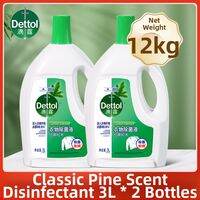
Dettol | Bacteria and Mite Removal Laundry Liquid 3L
₱3,039.00₱3,735.00
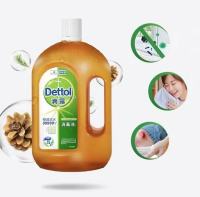
Dettol Antiseptic Disinfectant Liquid 750ml 1200ml 1800ml
₱1,298.00₱1,998.00
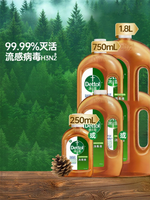
Dettol | Disinfectant Detergent Kill Germs Mites Underwear Cleaner
₱5,967.00₱10,306.00
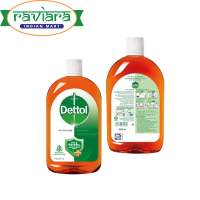
Dettol Antiseptic Liquid for First Aid Surface Disinfection and Personal Hygiene
₱380.00₱500.00
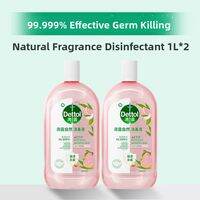
Dettol | Antibacterial Deodorizing Disinfectant 48h Long-lasting Fragrance
₱1,958.00
Buy on Lazada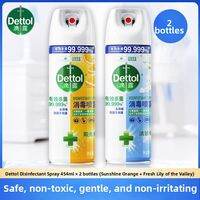
Dettol | Odor Eliminator Disinfectant Spray
₱1,623.00₱1,624.00
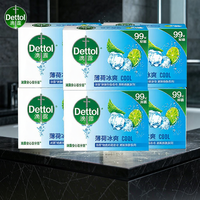
Dettol | Antibacterial Cleaning Soap with Pine Scent
₱638.00
Buy on Lazada
Dettol | Antibacterial Long-lasting Fragrance Soap
₱666.00₱687.00
About Dettol
Dettol is a British-origin brand of hygiene, antiseptic, and disinfectant products owned by Reckitt. Introduced in 1933, it was originally formulated as an antiseptic liquid for use by doctors and hospitals. Over subsequent decades, Dettol expanded from medical settings into household and personal care, becoming one of the most recognised hygiene brands internationally.1
The brand defines its purpose as protecting life by reducing the burden of illness, with products centred on germ protection and hygiene. Reckitt states that Dettol comprises a portfolio of more than 200 germ-killing products and is available in 124 countries.1
Brand overview
| Field | Information |
|---|---|
| Brand | Dettol |
| Industry | Consumer health & hygiene |
| Product types | Antiseptics, disinfectants, hand/body hygiene, surface cleaners, laundry hygiene and related products |
| Origin | United Kingdom |
| Founded / introduced | 1933 |
| Original product | Dettol Antiseptic Liquid |
| Original company | Reckitt & Sons |
| Current owner | Reckitt |
| Founder/developer associated with the brand | Dr William Colebrook Reynolds |
| Headquarters/company base | United Kingdom / global Reckitt operations |
| Global presence | 124 countries, according to Reckitt |
| Brand positioning | Hygiene, germ protection and health |
| Official website | dettol.com |
History
Origins
Dettol traces its history to Reckitt & Sons, the British company that developed the product in Hull, England. Bacteriologist Dr William Colebrook Reynolds, who joined Reckitt & Sons in 1929, is credited by the company with establishing the scientific foundation for Dettol and subsequently became known within the organisation as the “Father of Dettol”.1
The product emerged during a period when medical science increasingly recognised the role of microorganisms in disease and the importance of antisepsis. Dettol was designed as an antiseptic liquid capable of providing effective disinfection while remaining suitable for use on skin when properly diluted.1
Launch in 1933
Dettol was introduced in 1933 as an antiseptic for medical use. Its early development was closely linked to addressing puerperal sepsis, a serious infection occurring after childbirth.
Clinical trials were conducted at Queen Charlotte’s maternity hospital in London. According to Reckitt, these trials reported a reduction of more than 50% in the incidence of puerperal sepsis. This medical background helped establish Dettol’s reputation before the brand expanded into consumer markets.1
Historical accounts describe Dettol as originating in hospitals, where it was used in connection with mothers after childbirth and patients following surgery.2
International expansion
Dettol quickly moved beyond Britain. According to Reckitt’s historical records:
- 1933 — Dettol introduced as a medical antiseptic.
- 1935 — Introduced in Australia and New Zealand.
- 1936 — Expanded to South Africa, India, Canada and South America.
- 1930s–1940s — Increasingly used outside hospitals and medical settings.
- Post-World War II — Expanded throughout Europe and other international markets.
- Today — Sold across more than 120 countries.1
India became a particularly significant market. Reckitt notes that Dettol reached India in 1936, opened its first factory there in 1945, and had become a major household hygiene brand in the country by the second half of the 20th century.3
From antiseptic to household brand
Originally, Dettol was essentially a medical antiseptic, but its consumer identity gradually broadened. The central concept evolved to suggest that protection from germs should not stop at hospitals. Dettol began developing products and applications for:
- Personal hygiene
- Bathing
- Hand hygiene
- Minor wound care
- Household surfaces
- Floors
- Laundry
- Bathrooms
- Kitchens
- Disinfecting and sanitising various environments
Reckitt describes this evolution as the transformation of Dettol from a simple disinfectant into a broader lifestyle health and hygiene brand. Its current portfolio spans 13 product categories and more than 200 germ-killing products globally.1
Products
Dettol’s exact product portfolio differs between countries, including in the Philippines, but the brand generally operates across several major categories.
Antiseptic liquids
The most historically significant Dettol product is Dettol Antiseptic Liquid. In certain markets such as Indonesia, the original liquid contains 4.8% chloroxylenol as its active ingredient, alongside pine oil, isopropyl alcohol, castor oil, caramel and water.2 It is marketed for diluted applications involving minor wounds, bathing, laundry and certain household surfaces, with instructions stating that it should not be used undiluted.2
Bar soaps
Dettol sells antibacterial bathing and hand-washing soaps in various markets. Formulations can differ by product and country, with variants such as Original and Sensitive available in select regions.2
Liquid body washes
The brand produces antibacterial liquid soaps and body washes designed for everyday personal hygiene.2
Hand hygiene
Depending on the market, Dettol products include liquid hand washes, hand sanitisers and related hand-hygiene items.
Surface disinfectants
Dettol has expanded substantially into household cleaning, offering disinfectant sprays, wipes and surface cleaners.
Laundry hygiene
Some markets offer laundry cleansers and products intended to provide additional antibacterial or hygiene protection during washing.
Household cleaning
The broader portfolio includes products for floors, bathrooms, kitchens, washing machines and other household environments.1
Active ingredients and formulation
A key aspect of Dettol is that “Dettol” is now a brand family rather than a single chemical formula. While the original antiseptic liquid is associated with chloroxylenol (also known as PCMX), different Dettol products may use varying formulations and active ingredients depending on their intended purpose and the market in which they are sold.
For example, specific regional formulations may list 4.8% chloroxylenol as the active ingredient.2 Consequently, it would be inaccurate to assume that every product carrying the Dettol name contains chloroxylenol or functions in exactly the same way.
Brand identity
Dettol’s brand identity has historically revolved around three concepts: Protection → Hygiene → Health. The company presents the brand through the idea of a “sword and shield”: the sword represents fighting harmful germs, while the shield represents protecting families and communities.2
This positioning has allowed Dettol to move beyond being perceived merely as a medical antiseptic, becoming associated with everyday household protection and cleanliness. Distinctive branding elements have traditionally included:
- The green-and-white visual identity
- The Dettol logo
- Characteristic cross/sword-and-shield imagery
- A strong association with antiseptic protection
- The recognisable scent of its classic antiseptic liquid
Packaging and visual identity have evolved considerably over the decades.
Ownership
Dettol originated under Reckitt & Sons. The company later became part of the corporate history that led to Reckitt Benckiser following the 1999 merger between Reckitt & Colman and Benckiser. The company subsequently adopted the shorter Reckitt corporate name.1
Today, Dettol is one of Reckitt’s major global brands, alongside Finish, Harpic, Durex, Vanish and Strepsils. Reckitt describes itself as a global consumer-health and hygiene company.1
Regional presence
Dettol maintains a significant consumer presence in many Asian markets, where the brand is particularly associated with its classic antiseptic liquid and antibacterial personal-care products. Portfolios in these regions typically include Original Antiseptic Liquid, antibacterial bar soaps, liquid soaps, body washes, disinfectant products and household hygiene items aimed at personal and domestic protection.2
Regional websites often emphasise the brand’s origins in 1933 and its evolution from hospital antisepsis into household hygiene.2 Product availability varies by market; for instance, antiseptic liquid sizes in some territories range from 45 ml to 5 litres.2
Scientific and medical heritage
A major element of Dettol’s brand equity is its medical origin. Unlike many consumer cleaning brands that began as household products, Dettol was initially developed for healthcare professionals. Its early association with hospitals and antisepsis gave the brand a scientific and medical identity that continues to inform modern marketing.1
Reckitt states that its research and development activities continue to support Dettol’s product development, with the brand’s historical R&D roots connected to Hull, where Dettol originated.2
Social and public-health initiatives
Dettol’s activities extend beyond selling products. The brand has invested in hygiene education and behaviour-change programmes, particularly those focused on handwashing and infection prevention. Reckitt cites programmes such as Hoga Saaf in Pakistan and Dettol Banega Swasth in India as examples of broader hygiene initiatives.1
The underlying philosophy is that reducing illness requires both hygiene products and better hygiene behaviour.
Innovation
Although Dettol is strongly associated with its classic brownish antiseptic liquid, the brand has continually expanded its technology and product formats. Its modern portfolio includes sprays, wipes, soaps, cleaners, laundry products and other formulations designed for specific hygiene situations. Reckitt states the brand now has more than 200 germ-killing products globally.1
More recently, Dettol has experimented with products positioned around botanical ingredients and less clinical consumer experiences. In 2026, Reckitt highlighted Dettol Activ Botany, developed in Hull and launched initially in China, as an example of regional innovation aimed at attracting new consumers.1
Global position
Reckitt currently describes Dettol as a world-leading hygiene brand. According to the company, it is the world’s No. 1 antiseptic brand by sales and is used more than 2,000 times per minute across 124 countries. These are Reckitt’s own brand claims rather than an independently verified ranking.1
The scale of the brand is notable given that its original product was essentially a single antiseptic liquid developed for hospitals in Britain in the 1930s.
Timeline
| Year | Event |
|---|---|
| 1929 | Dr William Colebrook Reynolds joins Reckitt & Sons in Hull. |
| 1933 | Dettol introduced as a medical antiseptic. |
| 1933–1935 | Trials associated with Queen Charlotte’s maternity hospital show a major reduction in puerperal sepsis. |
| 1935 | Dettol expands to Australia and New Zealand. |
| 1936 | Expansion to South Africa, India, Canada and South America. |
| 1945 | Dettol opens its first factory in India. |
| Post-1945 | Dettol expands further into European consumer markets. |
| 1950s onward | Becomes increasingly established as a household hygiene brand. |
| Late 20th century | Portfolio expands beyond antiseptic liquid into soaps and other hygiene products. |
| 1999 | Reckitt & Colman merges with Benckiser, creating Reckitt Benckiser. |
| 2000s–2020s | Major expansion into hand hygiene, surface disinfection, laundry and household cleaning. |
| 2020s | Dettol operates as a major global Reckitt hygiene brand. |
| 2026 | Reckitt highlights new innovations such as Dettol Activ Botany and describes the brand as approaching its centenary. |
Historical dates above are based primarily on Reckitt’s corporate history and Dettol’s official historical materials.12
Significance
Dettol is significant in consumer-brand history because it represents a transition from professional medical antisepsis to mass-market household hygiene. Its evolution can be summarised in four stages:
Hospital antiseptic → Household antiseptic → Personal hygiene → Global hygiene ecosystem
This progression explains why the Dettol name today applies to products as diverse as antiseptic liquid, bar soap, hand wash, disinfectant spray and laundry hygiene items. The brand’s enduring proposition is essentially protection against germs, supported by its long medical heritage and reinforced through modern hygiene products and education.1