Shop on Lazada
Eng Bee Tin products
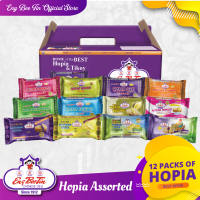
Eng Bee Tin Hopia Dozen Bundle (Assorted Hopia)
₱900.00
Buy on Lazada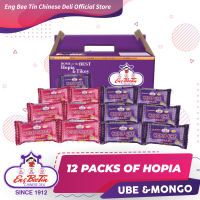
Eng Bee Tin Premium Hopia Ube and Mongo Bundle of 12
₱900.00
Buy on Lazada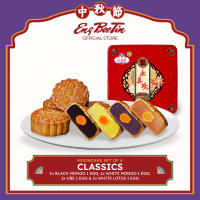
Eng Bee Tin Mooncake 4-in-1 Classics: Mooncake Black Mongo 1 Egg + Mooncake White Mongo 1 Egg + Mooncake Ube 1 Egg + Mooncake White Lotus 1 Egg
₱720.00
Buy on Lazada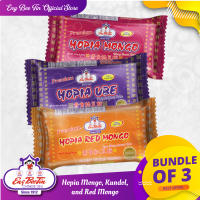
Eng Bee Tin Hopia Bundle (Red Mongo Mongo Ube)
₱230.00
Buy on Lazada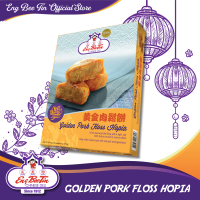
Golden Pork Floss Hopia - Eng Bee Tin
₱300.00
Buy on Lazada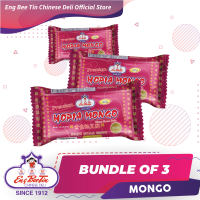
Eng Bee Tin Premium Hopia Mongo Bundle of 3
₱230.00
Buy on Lazada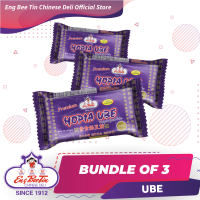
Eng Bee Tin Premium Hopia Ube Bundle of 3
₱230.00
Buy on Lazada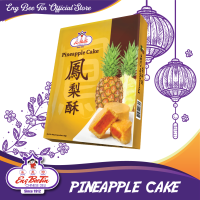
Eng Bee Tin - Pineapple Cake 鳳梨酥
₱305.00
Buy on LazadaAbout Eng Bee Tin
Overview
Eng Bee Tin (Chinese: 永美珍) is a Philippine-based Chinese deli and food manufacturing company best known for its hopia (traditional Chinese bean-filled pastry), tikoy (glutinous rice cake), mooncakes, and a wide range of Chinese and Filipino delicacies. Founded in 1912 in Binondo, Manila—the world’s oldest Chinatown—the company has grown from a small family-owned stall into one of the Philippines’ most recognizable heritage food brands. Today, Eng Bee Tin is particularly famous for pioneering ube (purple yam) hopia, a product that revitalized the company and became one of its signature offerings. [1]
-
Founded: 1912
-
Founder: Chua Chiu Hong
-
Headquarters: Binondo, Manila, Philippines
-
Industry: Food Manufacturing and Retail
-
Type: Private company
-
President: Gerry Chua
-
Products: Hopia, tikoy, mooncakes, Chinese pastries, frozen foods, breads, cakes, delicacies, and gift items
-
Markets: Philippines and international export markets including Asia, the Middle East, Europe, and North America [1]
History
Early Years (1912–1970s)
Eng Bee Tin was established in 1912 by Chua Chiu Hong, a Chinese immigrant who settled in Binondo, Manila. The business began as a modest stall specializing in traditional Chinese delicacies such as hopia, tikoy, and glutinous rice balls. Over the following decades, it earned a loyal customer base among Manila’s Chinese-Filipino community. [1]
During the 1970s, however, increasing competition from similar bakeries and Chinese delicacy shops led to declining sales. The company struggled financially and came close to bankruptcy as its traditional products lost ground in an increasingly competitive market. [1]
The Gerry Chua Transformation
A major turning point came in 1987, when Gerry Chua, grandson of the founder, assumed leadership of the family business at a young age. Searching for a way to differentiate Eng Bee Tin from competitors, he experimented with incorporating ube (purple yam) into hopia after learning that ube was one of the country’s most popular ice cream flavors. [2]
To perfect the recipe, Gerry traveled to Pampanga to study traditional ube processing and developed a creamier filling suitable for hopia. The resulting ube hopia became an instant success and transformed Eng Bee Tin into a nationally recognized brand. [2]
The product gained even greater exposure after being featured on the television program _CityLine_ hosted by Cory Quirino. Following its commercial success, the business expanded beyond hopia production and officially adopted the name Eng Bee Tin Chinese Deli. [2]
Products
Although hopia remains its flagship product, Eng Bee Tin has diversified its offerings considerably.
Signature Products
-
Ube Hopia
-
Mongo (mung bean) Hopia
-
Ube Custard Hopia
-
Pork Hopia
-
Custard Hopia
-
Mooncakes
-
Tikoy
-
Glutinous rice balls
-
Chinese pastries
-
Frozen dim sum
-
Filipino delicacies
-
Cakes and breads
-
Gift packs and festive food collections [1]
The company has developed numerous hopia varieties, including seasonal and sugar-free options, catering to both traditional and modern consumer preferences. [1]
Innovation
Eng Bee Tin is widely credited with modernizing one of the Philippines’ oldest Chinese pastries. Its most significant innovation was the introduction of ube hopia, which successfully blended a traditional Chinese pastry with a distinctly Filipino flavor. [2]
The company has also invested in:
-
Automated production systems
-
Modern food safety and quality control
-
Hygienic packaging technologies
-
Continuous product development featuring local Filipino ingredients [2]
Brand Identity
Eng Bee Tin positions itself as a heritage brand that combines traditional Chinese recipes with Filipino tastes. Its flagship Binondo store remains a popular destination for tourists and locals seeking authentic Chinese delicacies and pasalubong. [2]
The company is especially associated with the color purple, reflecting the popularity of its ube-based products and the personal branding of Gerry Chua, who is often referred to as “Mr. Ube.” [2]
Expansion
From a single storefront in Binondo, Eng Bee Tin has expanded to dozens of branches throughout the Philippines. Its products are also widely available in supermarkets, groceries, convenience stores, restaurants, and institutional food outlets. [2]
Internationally, Eng Bee Tin exports its products to overseas markets serving Filipino and Chinese communities across Asia, the Middle East, Europe, and North America. [1][2]
Legacy and Cultural Significance
Eng Bee Tin is regarded as one of the Philippines’ most iconic Chinese-Filipino food brands. Its century-long history reflects the influence of Chinese culinary traditions on Filipino cuisine while demonstrating how innovation can preserve and modernize heritage businesses. [2]
The success of its ube hopia has become a frequently cited example of product innovation in Philippine entrepreneurship, illustrating how adapting traditional recipes to local tastes can revitalize a long-established family business. [1][2]