Shop on Lazada
Field Day products
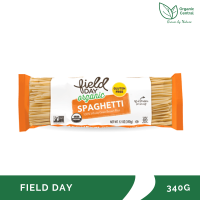
Field Day Organic Gluten Free Spaghetti Brown Rice Pasta 340g
₱423.42₱429.00

Field Day Wild Caught Chunk Light Skipjack Tuna No Salt Added 142g – No Salt Added Pole & Line Caught
₱399.00₱600.00
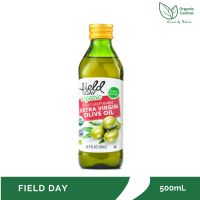
Field Day Organic Extra Virgin Olive Oil 500mL
₱1,505.17₱1,525.00
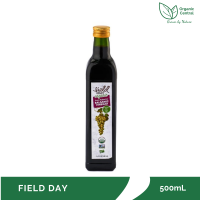
Field Day Organic Balsamic Vinegar 500ml
₱709.65₱719.00
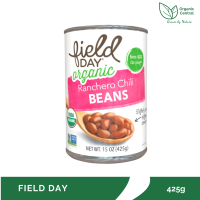
Field Day Organic Ranchero Chili Beans 425g
₱295.11₱299.00
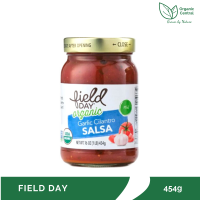
Field Day Organic Mild Garlic Cilantro Salsa 454g
₱537.91₱545.00

Field Day Organic Black Bean & Corn Salsa 454g – Medium USDA Organic Salsa
₱569.00₱800.00
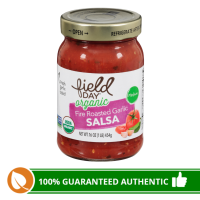
Field Day Organic Medium Fire Roasted Garlic Salsa 454g – USDA Organic & Non-GMO
₱569.00₱800.00
About Field Day
Field Day is an independent American womenswear brand recognised for its relaxed, vintage-influenced clothing, use of natural and reclaimed materials, and small-scale manufacturing in California. Founded by designer Trinity Cross in 2005, the label evolved from an experimental art and clothing project into a full fashion house producing dresses, tops, skirts, trousers, jumpsuits and other everyday garments.1
The company prioritises timeless design, comfort, sustainability, local production and individuality over fast-fashion trends. Its clothing is designed to be practical and wearable while retaining a distinctive, romantic and slightly nostalgic aesthetic. Field Day’s stated philosophy centres on creating garments that move with the wearer and remain relevant beyond a single fashion season.1
History
Foundation
Field Day was established in 2005 by Trinity Cross. According to the company, the brand began as a small creative project involving discarded and thrifted clothing. Early experiments included deconstructing items found in free piles and thrift stores, reconstructing them, hand-dyeing vintage slips, adding antique wedding-dress lace and printing designs onto leftover fabrics.1
These experiments eventually developed into the recognisable Field Day clothing line. Cross’s approach remained closely connected to hands-on garment making, with an emphasis on distinctive silhouettes rather than mass-market fashion.
Oakland period
Field Day became associated with Oakland, California, where the brand developed its manufacturing operation. The company states that its garments are designed, cut, sewn, dyed and finished in California, with manufacturing centred around a small, women-owned factory in Oakland.1
In 2013, Field Day opened Field Day and Friends, its first flagship store in Oakland. The store carried the Field Day collection alongside products from independent makers, including sustainable goods, handmade accessories, herbal products and other locally produced items.1
The store reflected a broader aspect of the brand’s identity: Field Day was positioned not simply as a clothing label but as part of a lifestyle built around independent craftsmanship, creativity and locally made products.
Move to Nevada City
In 2020, Field Day relocated its showroom and retail operation to Nevada City, California, in the foothills of Northern California. Manufacturing continued in Oakland with the same small women-owned factory. The company’s current showroom, boutique and fulfilment centre is located on Broad Street in downtown Nevada City.1
The move strengthened the brand’s connection to Northern California’s small-town, craft-oriented culture while allowing production to remain in Oakland.
21st anniversary
Field Day marked its 21st anniversary in 2026. The company described its origins in an event post as a small art project based on reconstructing thrifted and discarded clothing.1
The brand continues to release seasonal collections while bringing back established silhouettes in new fabrics and colours.
Design philosophy
Field Day’s design philosophy can be broadly described as timeless, feminine, practical and slightly unconventional.
The brand states it designs for women who enjoy outdoor environments, spontaneous adventures and an active relationship with nature. Its clothing is intended to be comfortable enough for movement while retaining a tailored and considered appearance.1
Several characteristics define the Field Day aesthetic:
- Vintage influence: Many designs draw on historical and nostalgic clothing silhouettes.
- Relaxed femininity: Dresses, skirts and tops generally emphasise movement and ease rather than rigid tailoring.
- Natural materials: The company frequently uses materials such as linen and cotton.
- Distinctive fabrics: Because much of its material is sourced from deadstock, individual collections can feature unusual prints, textures and colours.
- Practical details: Pockets are an important recurring feature; the company explicitly states that it believes “no dress is complete without pockets.”1
- Everyday versatility: Pieces are designed to function as ordinary everyday clothing rather than garments intended only for special occasions.
Sustainability
Sustainability is one of the central elements of Field Day’s identity.
The company sources a significant portion of its fabrics from deadstock fabric houses in Los Angeles. Deadstock refers to excess or leftover fabric that has already been produced but was not used by the original manufacturer. Field Day purchases these materials and incorporates them into its own garments.1
This approach has two consequences. First, it gives existing materials another use rather than requiring entirely new fabric production. Second, it makes Field Day’s collections relatively distinctive because deadstock fabrics are often available only in limited quantities. The company notes that this can make certain garments impossible to reproduce once the fabric is exhausted.1
Field Day also states that its garments are manufactured in California, with design, cutting, sewing and finishing taking place in Oakland and Nevada City.1
The company’s shipping practices likewise reflect its environmental positioning: it uses post-consumer recycled packaging and has stated that it avoids traditional hang tags as part of an effort to reduce waste.1
Manufacturing
Unlike many contemporary fashion brands that outsource production internationally, Field Day maintains a Made-in-California production model.
The company’s garments are produced in California, with its primary manufacturing operation in Oakland. The brand describes the factory as small and women-owned, reinforcing its emphasis on local production and independent manufacturing.1
This production model is closely connected to the brand’s philosophy. Rather than producing huge quantities of identical garments, Field Day works with relatively limited fabric availability and smaller production runs.
Product categories
Field Day’s current product range includes several major categories:
- Dresses
- Tops
- Skirts
- Pants
- Jumpsuits
- Outerwear and casual pieces
- Accessories and boutique goods
The brand’s current collection includes recurring styles such as the Agnes dress, Xena dress, Aviva top, Trices skirt, Dolman top and Perfect Pant, with different fabrics and colours introduced over time.1
Linen and cotton are particularly prominent materials, while deadstock fabrics allow the brand to introduce unusual prints and limited variations.1
Retail and community
Field Day operates both as an online fashion label and as a physical retail business.
Its Nevada City location functions as a showroom, boutique and fulfilment centre, carrying the complete Field Day collection as well as selected products from other makers.1
The physical-store concept is consistent with the brand’s broader emphasis on community and independent production. Rather than presenting Field Day exclusively as a fashion label, its retail environment incorporates jewellery, stationery, tea, bath and body products and other lifestyle goods.1
Brand identity
Field Day’s identity sits at the intersection of slow fashion, California craft culture, vintage-inspired womenswear and outdoor-oriented lifestyle clothing.
Its aesthetic differs considerably from minimalist luxury brands or trend-driven fast fashion. Instead, Field Day tends to emphasise:
Timeless silhouettes + unusual fabrics + practical construction + California craftsmanship
The result is clothing that often looks nostalgic without being explicitly costume-like. The brand takes recognisable historical ideas—prairie dresses, workwear-inspired pieces, classic skirts, linen basics and vintage prints—and interprets them for contemporary everyday wear.
Business model
Field Day operates on a relatively small-scale model compared with major fashion companies. Its use of deadstock fabrics, California manufacturing and limited fabric availability naturally favours smaller production runs.1
This creates a notable relationship between sustainability and scarcity: a fabric may be environmentally attractive because it is existing surplus material, but its limited supply can also mean that a particular garment cannot be continuously reproduced.
The company sells directly through its online store and physical showroom, while also maintaining a curated boutique environment featuring products from other independent makers.1
Cultural positioning
Field Day appeals particularly to consumers interested in independent fashion, handmade or locally produced goods, vintage aesthetics and sustainable clothing.
Its branding deliberately avoids the conventional language of trend-focused fashion. Instead of presenting each collection as a radical seasonal departure, Field Day frequently revisits its established silhouettes in new fabrics, colours and prints. Recent 2026 releases, for example, have included returning favourites alongside new fabric variations.1
This gives the brand a sense of continuity: individual pieces can be viewed as part of a long-running wardrobe rather than disposable seasonal products.
Founder: Trinity Cross
Trinity Cross is the founder and designer behind Field Day. She established the brand in 2005 and has remained central to its design philosophy and development. The company describes Cross as having developed its classic silhouettes for the modern woman over the course of the brand’s history.1
Her approach combines fashion design with hands-on textile experimentation, particularly the reuse and transformation of existing fabrics and garments.
Headquarters and production
| Category | Information |
|---|---|
| Brand | Field Day |
| Founded | 2005 |
| Founder / Designer | Trinity Cross |
| Country | United States |
| Primary fashion base | California |
| Manufacturing | Oakland, California |
| Current showroom | Nevada City, California |
| Industry | Fashion / Womenswear |
| Specialisation | Women’s clothing |
| Design characteristics | Vintage-inspired, feminine, relaxed, functional |
| Key materials | Linen, cotton, deadstock and reclaimed fabrics |
| Production philosophy | Small-scale, California-made |
| Retail model | Online + physical showroom/boutique |
The brand’s official site describes its entire clothing line as made in California and its fabrics as frequently sourced from deadstock suppliers in Los Angeles.1