Shop on Lazada
Fissan products
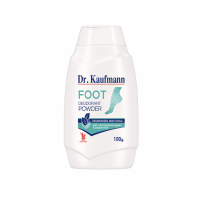
DR KAUFMANN Foot Deodorant Powder Deodorizes and Cools with anti-bacterial agents and Peppermint
₱219.00
Buy on Lazada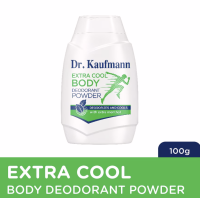
DR KAUFMANN Extra Cool Body Deodorant Powder Deodorizes and Cool with Extra Menthol
₱249.00
Buy on Lazada
Fissan Powder Prickly Heat
₱130.00
Buy on Lazada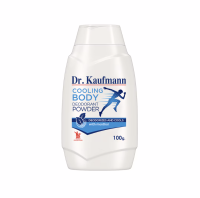
DR KAUFMANN Cooling Powder Deodorant Powder Deodorizes and Cools with menthol
₱229.00
Buy on Lazada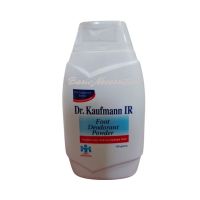
FISSAN Prickly Heat Cooling PowderFISSAN FOOT POWDERFISSAN SOOTHING POWDER
₱530.00
Buy on LazadaAbout Fissan
Fissan is a historic personal-care and baby-care brand best known in Italy for products designed to protect, cleanse, and care for babies’ delicate skin. Its most recognised product is Pasta di Fissan, traditionally associated with protection against irritation in the diaper area. The brand has roots in Germany in the 1920s and developed a particularly strong identity in Italy from the 1930s onward 1.
Overview
| Field | Information |
|---|---|
| Brand | Fissan |
| Origin | Germany |
| Established as a brand | 1920s |
| Italian launch | 1930 |
| Original company | Deutsche Milchwerke / Deutsche Milchwerke AG |
| Founder/creator associated with brand | Arthur Sauer |
| Italian pioneer | Osiride Brovedani |
| Main category | Baby and personal care |
| Best-known product | Pasta di Fissan |
| Key market | Italy, with a broader international history |
| Current historical corporate lineage | The brand became part of Unilever following its acquisition of Sara Lee’s body-care business in 2010 |
The ownership history is complicated because Fissan has passed through several companies over its long history. Historical sources identify Unilever as the company using the Fissan brand after its 2010 acquisition of Sara Lee’s relevant body-care business 1.
Origins
Fissan’s story begins in Germany. The roots of the company behind the brand go back to 1882, when pharmacist Rudolf Pizzala began producing biologically based tonics in Worms. Chemist Arthur Sauer joined the business in the 1890s and subsequently developed it into a company specializing in milk-protein and casein-based preparations. The business became known as Deutsche Milchwerke.
During research into milk proteins, Sauer and his company developed preparations for skin care. From around the mid-1920s, these products were marketed under the name Fissan and included powders, pastes, oils, and soaps 1.
Meaning of the name
The name Fissan is generally explained as a coined name derived from the Latin expression “fissuram sanare”, meaning roughly “to heal a crack/fissure.” This was intended to communicate the brand’s association with caring for damaged or irritated skin 1.
Expansion to Italy
Italy became one of the most important chapters in Fissan’s history. In 1930, German chemist Arthur Sauer met Italian entrepreneur Osiride Brovedani at a trade fair in Milan. Brovedani obtained the rights to market Fissan products in Italy, leading to the establishment of Italian Fissan operations in Trieste.
Brovedani became an extremely important figure in the development of the Italian brand. He initially distributed products such as Pasta di Fissan and Fissan powder through pharmacies and subsequently obtained production rights. The early Italian operation was remarkably small; production began in a laboratory in the San Giacomo district of Trieste before the business expanded considerably.
Pasta di Fissan
The product that became synonymous with the brand was Pasta di Fissan. It was positioned as a protective skin-care preparation, particularly useful for babies. Historical Italian industry material describes the classic formulation as containing zinc oxide, with the product intended to help prevent irritation in the diaper area.
This helped establish a strong association between Fissan, babies, diaper changing, and the protection of delicate skin. That association became one of the brand’s most enduring assets. Fissan subsequently expanded beyond the original paste into products associated with:
- Baby skin protection
- Baby cleansing
- Bath products
- Baby powders
- Personal hygiene
- Skin-care products
- Products for parents and children
The exact portfolio has changed considerably over the decades.
The Trieste factory
Fissan’s Italian history is particularly connected with Trieste. The business expanded from its original small laboratory into a much larger industrial operation. In 1965, a major Fissan factory was opened in the industrial area of Trieste at Bagnoli della Rosandra. According to historical material associated with the Brovedani Foundation, employment grew from around 15 women at the earlier facility to approximately 300 workers at the larger plant 1.
The factory continued operating under different ownership arrangements until 2006, when Italian Fissan production ended 1. This makes Fissan an interesting example of a brand whose national identity became stronger than its original country of origin: although Fissan originated in Germany, its history became deeply intertwined with Italian manufacturing and culture.
Development after World War II
The German parent company went through major changes following World War II. In 1969, Preussag acquired a majority stake in the business, and in 1970 acquired the remaining shares. The Fissan plant was subsequently sold to the German chemical company Merck, which retained the brand but closed the manufacturing facility 1.
Later, the brand entered another corporate phase under Sara Lee Deutschland. During the 1990s and 2000s, Fissan continued to be associated with baby and family care. In 2007, the brand was relaunched in Germany as Fissan Kids, including collaborations that produced children’s ranges associated with characters such as Princess Lillifee and Felix.
Unilever era
A major modern milestone occurred in 2010, when Unilever acquired Sara Lee’s body-care business, including the Fissan brand 1. This brought Fissan into the portfolio of one of the world’s largest consumer-goods companies.
In Italy, Fissan was subsequently positioned primarily around baby care, with products supporting everyday routines such as:
- Diaper changing
- Bathing
- Cleansing
- Skin protection
- Baby hygiene
- Everyday skin care
An Italian cosmetics-industry publication described Fissan as part of Unilever Italy’s brand portfolio and emphasized its long-standing association with mothers and babies.
Brand identity
Fissan’s identity is built around trust, protection, gentleness, and expertise in baby skin care. Its historical positioning is particularly interesting because the brand has had to balance heritage with modernity. Fissan has existed for roughly a century and is strongly associated with generations of Italian parents, yet new parents increasingly encounter many newer baby-care brands with contemporary packaging, ingredient-focused communication, and modern digital marketing.
A branding agency that worked on Fissan’s positioning described the challenge as maintaining the authenticity and heritage of the historical brand while making its communication more appealing to contemporary parents. It identified values including naturalness, safety, effectiveness, sensory appeal, and expertise in childhood care 2.
Visual identity
For generations, Fissan’s visual identity has been closely associated with the baby/child motif and its recognizable packaging. Its packaging and advertising have historically attempted to communicate a caring parent, a healthy baby, protection, softness, reliability, familiarity, and generational trust. The result is a brand with a particularly strong emotional heritage.
Product categories
Although the exact portfolio varies by country and period, Fissan has historically operated primarily in the following areas:
Baby skin care
Products designed to protect and care for delicate baby skin, including the famous Pasta di Fissan.
Diaper-area care
One of the brand’s defining categories. Fissan became particularly associated with products intended to protect against irritation associated with diaper use.
Baby cleansing
Products for everyday hygiene and bathing.
Baby powders
Powder was an important part of the historical Fissan portfolio and helped establish the brand’s reputation in baby care.
Personal care
The broader Fissan history also includes products such as soaps, oils, and other skin-care preparations.
Competitive position
Fissan occupies a distinctive position in the baby-care market. It is not primarily positioned as a luxury cosmetics brand. Instead, its historical strength comes from mass-market accessibility combined with specialist-looking baby-care credentials. Its competitive advantage can therefore be summarized as heritage, familiarity, baby-care expertise, and accessibility.
The biggest strategic challenge for a heritage brand like Fissan is that consumers now have access to numerous brands emphasizing natural ingredients, dermatological testing, organic certification, minimalist formulations, sustainability, “clean” beauty, and premium packaging. Fissan’s historical recognition gives it an advantage in trust, but its branding must remain relevant to newer generations of parents.
Cultural significance in Italy
Fissan has an unusually strong place in Italian consumer history. Although the brand originated in Germany, its Italian story began in Trieste in 1930, and Italian production continued for decades. The name became strongly associated with baby hygiene and particularly with Pasta di Fissan 1. Consequently, for many Italian consumers, “Fissan” is more than a contemporary brand name; it can function almost as a heritage reference to traditional baby care. That is an important distinction from a newer brand that entered the market recently.
Important people
Arthur Sauer
Arthur Sauer was the German chemist who played the central role in developing the business that eventually produced Fissan products. His research into milk proteins and dermatological preparations was instrumental in the brand’s origins.
Osiride Brovedani
Osiride Brovedani was arguably the most important figure in Fissan’s Italian history. After obtaining Italian rights in 1930, he developed the Italian business from a small Trieste laboratory into a substantial manufacturing operation. His work helped turn Fissan into a familiar Italian baby-care name. His story is also significant beyond Fissan: the Fondazione Brovedani was established after his death and preserves aspects of his personal and entrepreneurial history.
Corporate timeline
| Year | Event |
|---|---|
| 1882 | Roots of the German company established by Rudolf Pizzala |
| 1890s | Arthur Sauer joins the business |
| 1920s | Fissan brand introduced |
| 1930 | Osiride Brovedani obtains Italian marketing rights |
| 1930s | Fissan production develops in Trieste |
| 1940s–60s | Brand and company continue expanding |
| 1965 | Large Fissan factory opens in Trieste industrial area |
| 1969 | Preussag acquires majority of the German business |
| 1970 | Preussag acquires remaining shares; Fissan facility later sold to Merck |
| 1990s | Fissan used by Sara Lee Deutschland |
| 2006 | Italian Fissan production in Trieste ends |
| 2007 | Fissan Kids relaunch in Germany |
| 2010 | Unilever acquires Sara Lee’s body-care business and Fissan |
| Today | Fissan remains primarily associated with baby/personal skin care, particularly in Italy |
Historical dates and ownership changes are compiled from the documented German and Italian histories of the brand.
Historical significance
Fissan is notable because its history illustrates several major developments in the consumer-products industry:
- Scientific origins: The brand emerged from pharmaceutical and chemical research rather than from modern lifestyle branding.
- Internationalization: A German product became deeply established in Italy.
- Localization: Italian entrepreneurs and manufacturing played a major role in building the brand.
- Generational trust: Baby-care products can become heritage brands because parents introduce them to successive generations.
- Corporate consolidation: The brand passed through several corporate owners before becoming part of Unilever.
- Brand rejuvenation: The company has repeatedly had to modernize its image while retaining historical recognition.
Current status
The most important aspect of Fissan today is that it is a heritage baby-care name rather than simply a single product. Its strongest historical equity comes from the association between Fissan and baby skin protection, with Pasta di Fissan serving as the iconic product around which much of that reputation was built.
At the same time, its century-long history means that Fissan has experienced numerous changes in ownership, manufacturing, markets, packaging, and product ranges. Therefore, “Fissan” can refer to somewhat different product portfolios depending on the country and period being discussed. In summary, the brand represents German origins, Italian heritage, baby-care expertise, Pasta di Fissan, and nearly 100 years of brand history.