Shop on Lazada
Golf Pride products
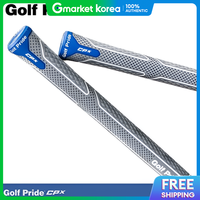
Golf Pride Genuine Cpx Golf Grip Midsize
₱1,102.76₱1,592.88

Golf Pride | Golf Pride Tour Velvet 360 73R Gtss Mens Golf Grip Black 10 Count Driver Xa3844642
₱11,266.38₱16,273.66
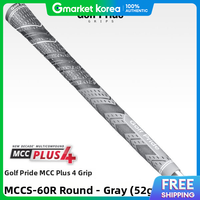
Golf Pride | Golf Pride Mcc Plus 4 Grip Mccs-60R Gray
₱1,290.34₱1,863.83
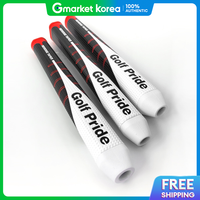
Golf Pride | Golf Pride Genuine Reverse Taper Putter Grip
₱2,752.07₱3,975.22
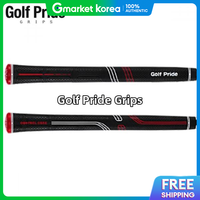
Golf Pride | Golf Pride Cp2 Pro 45G50G Understandard Round Grip Xa3845447
₱1,241.22₱1,792.89
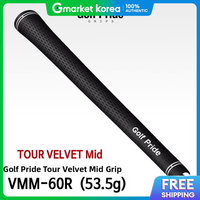
Golf Pride | Golf Pride Tour Velvet Grip Vmm-60R Mid 53.5g
₱943.31₱1,381.67
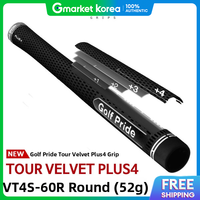
Golf Pride | Golf Pride Tour Velvet Plus 4 Golf Grip Vt4S-60R 52g
₱937.44₱1,354.07
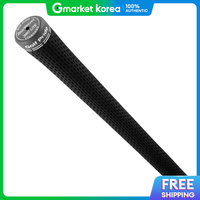
Golf Pride | Golf Pride Genuine Tour Velvet 360 Light Standard
₱1,107.91₱1,600.33
About Golf Pride
Overview
Golf Pride is an American golf equipment brand best known for designing and manufacturing golf club grips. Founded in 1949, the company played a major role in replacing traditional leather golf grips with molded rubber grips and helped establish the modern replaceable, slip-on golf grip. Today, Golf Pride describes itself as the world’s leading golf-grip brand and is headquartered in Pinehurst, North Carolina as a division of Eaton Corporation.12
| Field | Information |
|---|---|
| Brand | Golf Pride |
| Industry | Golf equipment / sporting goods |
| Main products | Golf club grips |
| Founded | 1949 |
| Founder | Thomas Fawick |
| Early location | Akron, Ohio, United States |
| Current headquarters | Pinehurst, North Carolina, United States |
| Parent company | Eaton Corporation |
| Specialty | Golf grips and grip technology |
| Major materials | Rubber, cord, hybrid materials and proprietary compounds |
| Major product families | Tour Velvet, MCC, ZGRIP, CP, V55, Tour Wrap, ALIGN and others |
| Market position | Global leader in golf grips |
Note: Golf Pride’s current corporate materials describe it as a division of Eaton and give Pinehurst, North Carolina as its headquarters.2
History
Founding — 1949
Golf Pride’s origins go back to Thomas Fawick, an inventor and golf enthusiast. Fawick believed that rubber could provide a better golf-grip material than the leather grips commonly used at the time.
He worked with Bill Junker and Jim Karns in Akron, Ohio, a city historically associated with the rubber industry. Together they developed the concept that became Golf Pride. The company was established in 1949.
The significance of this development was much greater than simply introducing another golf-grip brand. Golf Pride helped change the basic construction of golf grips from traditional leather toward molded rubber.
Golf Pride itself describes this as one of the foundational changes in the history of golf equipment: molded rubber became an alternative to leather, while the later slip-on design made grips much easier to replace.
The molded-rubber revolution
Early Golf Pride innovation centered on molded rubber.
Rubber offered several advantages over leather:
- Better traction
- Greater durability
- Lower weight
- More consistent manufacturing
- Better resistance to moisture and wear
- More consistent feel from grip to grip
This helped establish rubber as the dominant material for modern golf grips.1
The slip-on grip
Another major innovation was the slip-on rubber grip.
Historically, grips could be molded directly onto the club shaft, which made replacing them difficult. Golf Pride’s development of a replaceable slip-on grip helped create what is now the normal regripping industry: golfers could remove an old grip and install a new one without replacing the entire club shaft.
This seemingly simple innovation had a major commercial consequence. It helped create the modern golf-shop business of grip replacement and club customization.
Eaton and Corporate History
Golf Pride eventually became associated with Eaton Corporation.
Eaton acquired Golf Pride’s parent company in 1968. Bill Junker subsequently left the golf business and moved into commercial real estate, but the Golf Pride brand continued to develop under Eaton’s ownership.
Today, Golf Pride operates as a division of Eaton but maintains a highly specialized identity focused on golf equipment. Eaton describes Golf Pride as having substantial autonomy for projects directed specifically at the golf consumer.2
Product Philosophy
Golf Pride’s fundamental philosophy is that the grip is more than simply the part of a club that a golfer holds.
The company describes its focus as the connection between the golfer’s hands and the club. Its product development therefore emphasizes characteristics such as:
- Feel
- Traction
- Firmness
- Tackiness
- Moisture control
- Hand placement
- Grip size
- Vibration
- Stability
- Swing consistency
Golf Pride says it views grips as equipment for the golfer’s hands rather than merely handles attached to clubs.
This philosophy explains why the company has developed grips with substantially different physical characteristics rather than attempting to make one universal grip.
Major Golf Pride Product Families
Golf Pride’s catalog has expanded considerably since its early rubber grips. Its current lineup includes several major families.
Tour Velvet
Tour Velvet is one of Golf Pride’s most recognizable and influential grip designs.
The design combines a proprietary rubber-blend compound with a textured surface intended to provide consistent traction and all-around playability.
Tour Velvet is particularly important to Golf Pride’s history because it became one of the company’s defining modern designs and served as the basis for numerous variations.
MCC — MultiCompound
The MCC, or MultiCompound, is one of Golf Pride’s best-known modern grips.
It uses a hybrid construction intended to combine different characteristics for the upper and lower portions of the grip. Golf Pride describes the MCC as a hybrid grip designed for both hands and different playing conditions.1
The MCC became particularly recognizable because of its distinctive two-material appearance and its combination of traction, feel and performance.
ZGRIP
ZGRIP is positioned toward golfers who prefer a firmer grip and greater feedback.
Golf Pride describes ZGRIP as its firmest grip category, emphasizing feedback and a more pronounced surface texture.1
For golfers who dislike soft or cushioned grips and want to feel more directly connected to the club, ZGRIP represents the opposite end of the spectrum from Golf Pride’s softer comfort-oriented products.
CP / CP2
Golf Pride’s CP family focuses on comfort while attempting to retain control and stability.
The current-generation CP, introduced in 2026, uses a soft-rubber exterior combined with internal structural reinforcement. Golf Pride says this architecture is designed to absorb vibration while maintaining torsional stability during the swing.
The earlier CP2 family similarly emphasized a soft exterior and engineered internal construction for comfort without sacrificing control.
ALIGN
ALIGN is Golf Pride’s grip technology aimed at improving hand placement.
The design incorporates a raised ridge on the underside of the grip. The idea is to provide a physical reference point that helps the golfer repeatedly position the hands in the same way.
Golf Pride says its ALIGN technology is intended to “lock in” hand placement and promote a consistent clubface position.
This represents an important evolution in grip design: the grip is not simply providing traction but is also being used as a swing-training and alignment aid.
Plus4
Plus4 is another notable Golf Pride technology.
Traditional golf grips generally become progressively thinner toward the lower hand. Plus4 changes that profile by making the lower portion larger, approximately simulating the effect of adding four extra layers of grip tape.
Golf Pride developed the technology based partly on feedback from Tour players who preferred a larger lower-hand profile. The company says the design can encourage lighter grip pressure and reduce tension in the hands and arms.
V55
V55 is a particularly interesting product from a historical perspective.
It combines characteristics of two Golf Pride designs:
- The Victory grip, introduced in 1955
- The modern Tour Velvet
The Victory grip was notable for its Grip Rite Swing Rite visual aid, which helped golfers with hand positioning. Golf Pride later combined the concept with Tour Velvet characteristics to create V55.
V55 therefore functions as something of a bridge between Golf Pride’s early history and its modern product technology.
Tour Wrap
The Tour Wrap family takes inspiration from the traditional wrapped grip appearance and feel while using modern materials.
Golf Pride identifies Tour Wrap 2G as its tackiest grip model, making this family particularly relevant to golfers who prioritize a soft, sticky sensation.
Putter Grips
Golf Pride does not only manufacture grips for drivers, irons and wedges. It also has a dedicated putter-grip lineup.
Current categories include:
- Reverse Taper
- Zero Taper
- Pro Only
- Classic Putters
The Reverse Taper design uses a slimmer upper portion and wider lower portion, while Zero Taper uses a more parallel profile. These designs reflect the increasing attention paid to grip shape in putting performance.
Grip Technology
Golf Pride’s technology can broadly be divided into several areas.
Material technology
Different rubber compounds and material combinations allow Golf Pride to manipulate:
- Softness
- Firmness
- Tackiness
- Durability
- Vibration absorption
- Weather performance
The company says it develops proprietary materials internally as part of its quality-control and product-development process.
Surface texture
The surface pattern affects traction and moisture management.
For example, Tour Velvet uses a specialized textured surface designed to provide slip resistance and consistent traction.
Hybrid construction
MCC is an example of Golf Pride using different materials within one grip to produce different performance characteristics for the hands.
Grip geometry
Golf Pride also changes the physical shape of grips through technologies such as Plus4, Reverse Taper, and Zero Taper.
Alignment technology
ALIGN demonstrates how a grip can incorporate physical features intended to assist hand positioning rather than simply provide a comfortable surface.
Research and Development
Golf Pride operates a Global Innovation Center (GIC) in Pinehurst, North Carolina.
The center functions as the company’s research and development hub. Golf Pride describes its development process as involving:
- Research
- Concept development
- Prototyping
- Testing
- Refinement
- Production
Engineers research new compounds, materials and combinations before creating physical prototypes and testing them.
The GIC is located near Pinehurst No. 8 and also houses Golf Pride’s Retail Lab, where golfers can experience different grips and have them installed by technicians.
Professional Golf
Golf Pride has an especially strong presence in professional golf.
The company states that its grips are used by a very large proportion of professional players and has historically promoted its position as the “#1 Grip Worldwide.” Eaton currently describes Golf Pride as being used by 80% of professional and amateur golfers worldwide, although this figure is a company claim rather than an independently audited market-share statistic.2
Golf Pride has also emphasized that many Tour players use its grips without direct paid endorsement arrangements, illustrating the importance of professional usage to the brand’s reputation.
Professional golfers are particularly important to grip manufacturers because Tour players can influence equipment preferences among recreational golfers.
Why Golf Grips Matter
A golf grip may look like a relatively small component of a club, but it directly connects the golfer to the club.
The grip influences:
- How tightly the golfer holds the club
- How secure the club feels
- How the hands interact with the club
- Moisture management
- Feedback at impact
- Perceived vibration
- Hand fatigue
- Clubface control
- Consistency of hand placement
Consequently, changing grips can change the feel and handling characteristics of an otherwise identical golf club.
This is one reason Golf Pride has built its business around grip specialization rather than treating grips as generic club components.
Grip Sizes
Golf Pride offers grips in different sizes to accommodate different hand sizes and player preferences.
Its sizing system includes:
- Junior
- Undersize
- Standard
- Midsize
- Jumbo
Golf Pride’s current sizing guide uses hand measurements as one method of determining appropriate grip size.
Grip size can also be adjusted through tape buildup and specialized designs such as Plus4.
Manufacturing and Quality
Golf Pride places considerable emphasis on consistency.
Its stated quality process involves internal expertise, proprietary materials, research, prototyping and testing. The company’s Global Innovation Center allows it to develop and evaluate grips before they reach the market.1
For a grip manufacturer, consistency is particularly important because small differences in texture, diameter, firmness or weight can affect how a club feels in the golfer’s hands.
Sustainability
Because Golf Pride produces rubber-based products at large scale, environmental impact has become an increasingly important issue for the company.
Golf Pride acknowledges that its products and global operations have an environmental footprint and has published sustainability reporting focused on reducing that impact. Its sustainability program considers manufacturing, suppliers, transportation and distribution.1
The company has specifically identified the environmental impact of its rubber grips as an area requiring attention as it works to reduce its overall footprint.
Brand Positioning
Golf Pride’s brand can essentially be understood around four ideas:
1. Heritage
More than seven decades of golf-grip development, beginning in 1949.
2. Performance
A focus on traction, feel, stability, moisture management and feedback.
3. Professional credibility
Strong adoption among Tour professionals and serious golfers.
4. Innovation
Continued development of new compounds, textures, shapes and grip technologies.
This combination allows Golf Pride to occupy a position similar to a specialist component brand: golfers may not buy the entire club from Golf Pride, but the grip can significantly influence how the club performs and feels.
Major Milestones
| Year | Milestone |
|---|---|
| 1949 | Golf Pride founded by Thomas Fawick and associates |
| Late 1940s–1950s | Development of molded-rubber golf grips |
| 1950s | Slip-on rubber grip technology helps transform grip replacement |
| 1955 | Victory grip and Grip Rite Swing Rite concept introduced |
| 1968 | Golf Pride’s parent company acquired by Eaton |
| 1990s | Tour Velvet emerges as a major modern Golf Pride design |
| 2004 | V55 combines Victory and Tour Velvet concepts |
| 2010s | MCC and other multi-material designs become major products |
| 2010s–2020s | ALIGN and Plus4 technologies expand grip customization |
| 2024 | Golf Pride celebrates its 75th anniversary |
| 2026 | New-generation CP grip introduced with an emphasis on comfort and stability |
The historical milestones above are based primarily on Golf Pride’s own historical materials and company publications.
What Makes Golf Pride Important?
Golf Pride’s historical importance is not simply that it became a successful golf-grip company.
Its larger contribution was helping transform the golf grip from a relatively simple leather covering into a specialized piece of performance equipment.
The progression can roughly be viewed as:
Leather grip → molded rubber → replaceable slip-on grip → specialized compounds → textured surfaces → hybrid materials → ergonomic profiles → alignment technology → highly customized grip systems
Golf Pride has participated in almost every major stage of that evolution.
Relationship With Golf Equipment Manufacturers
Golf Pride grips are widely found on golf clubs from major club manufacturers and are also sold separately for custom club building and regripping.
This gives Golf Pride a somewhat unusual position in the golf-equipment industry: it operates both as an OEM component supplier and as a consumer-facing aftermarket brand.
A golfer can therefore encounter Golf Pride grips in two ways:
- They can come installed on a newly purchased club.
- The golfer can independently purchase Golf Pride grips and have their clubs regripped.
That aftermarket model is an important consequence of the company’s early slip-on grip innovation.
Competitors
Golf Pride competes in a specialized golf-grip market with brands such as:
- Lamkin
- Winn
- SuperStroke
- Iomic
- Tacki-Mac
Golf Pride’s strongest competitive advantages are its long history, enormous Tour presence, broad product range, brand recognition and extensive grip-development expertise.
In Simple Terms
If you are unfamiliar with golf equipment, the easiest way to understand Golf Pride is:
Golf Pride is essentially the “grip specialist” of the golf industry.
Instead of making drivers, irons or golf balls, the company concentrates heavily on the relatively small component that the golfer actually holds.
Its historical breakthrough was making rubber grips practical and replaceable. Its modern business is about taking that basic concept much further—using different materials, textures, shapes, sizes and technologies to change how a golfer’s hands interact with the club.
Today, products such as Tour Velvet, MCC, ZGRIP, CP, ALIGN and Plus4 represent different approaches to feel, traction, comfort, feedback and hand positioning.1
Bottom line
Golf Pride is one of the most historically significant and recognizable golf-grip brands in the world. Founded in 1949, it helped popularize molded-rubber and replaceable slip-on grips and subsequently developed the golf grip into a sophisticated performance component. Now operating as an Eaton division headquartered in Pinehurst, North Carolina, Golf Pride combines its historical legacy with ongoing R&D in materials, grip geometry, texture, alignment and comfort.1