Shop on Lazada
Hoegaarden products
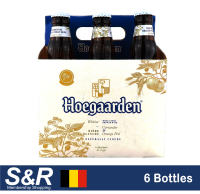
Hoegaarden Wheat Beer with Coriander and Orange Peel and 6 bottles
₱585.00
Buy on Lazada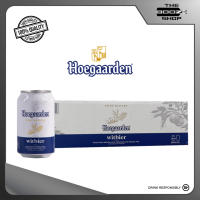
Hoegaarden White Beer 330ml Can x 24 (Case)
₱3,199.00₱3,600.00
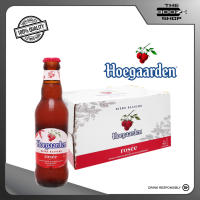
Hoegaarden Rosee Beer 248ml Bottle x 24 (Case)
₱2,799.00₱3,840.00
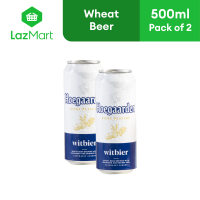
Hoegaarden Wheat 500ml - Pack of 2
₱205.00₱250.00
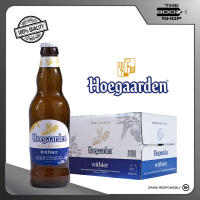
Hoegaarden White Beer 330ml Bottle x 24 (Case)
₱3,199.00₱3,720.00
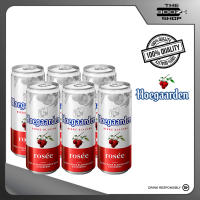
Hoegaarden Rosee Beer 330ml Can x 6
₱999.00₱1,080.00
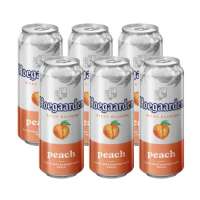
Hoegaarden Peach Wheat Beer (6 x 500ml) ABV 3%
₱1,039.00
Buy on Lazada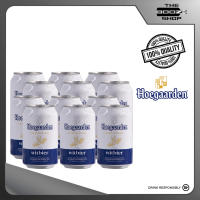
Hoegaarden White Beer 330ml Can x12
₱1,629.00₱1,800.00
About Hoegaarden
Overview
Hoegaarden is a Belgian beer brand best known for Hoegaarden White, a traditional Belgian witbier (white wheat beer) distinguished by its pale, naturally cloudy appearance and unique citrus-and-spice flavour profile. The brand derives its name from Hoegaarden, a village in Flemish Brabant, Belgium, where wheat-beer brewing has been practised for centuries. Today, Hoegaarden is part of Anheuser-Busch InBev (AB InBev) and is distributed internationally, including in the Philippines.12
| Category | Information |
|---|---|
| Brand | Hoegaarden |
| Origin | Hoegaarden, Flemish Brabant, Belgium |
| Beer style | Belgian witbier / Belgian wheat beer |
| Best-known beer | Hoegaarden White |
| Historical roots | c. 1445 |
| Modern revival | 1960s |
| Key figure | Pierre Celis |
| Original brewery | Brouwerij De Kluis |
| Current parent company | Anheuser-Busch InBev |
| Signature ingredients | Wheat, coriander, orange peel, yeast, hops |
| Appearance | Pale, cloudy/white |
| Typical Hoegaarden White ABV | 4.9% |
| Signature glass | Hexagonal Hoegaarden glass |
| Pronunciation | Roughly “WHO-gaarden” |
The 4.9% ABV figure is provided by AB InBev for Hoegaarden White in its current brand information.2
Origins and Medieval History
The history of Hoegaarden predates the modern commercial brand by several centuries. According to the brand’s historical account, monks in the Hoegaarden area were producing wheat beer as early as 1445. This local brewing tradition eventually became associated with a specific style of Belgian wheat beer that differed significantly from the clear lagers that would later dominate the European market.1
The traditional beer was a witbier, literally meaning “white beer”. Unlike many modern wheat beers, Belgian witbier traditionally combines wheat with botanicals and spices. Hoegaarden’s history attributes the development of its characteristic flavour to orange peel and coriander, ingredients said to have become available through trade involving Curaçao. This combination helped transform what was apparently a very sour wheat beer into a more aromatic and refreshing style.1
Hoegaarden as a Brewing Centre
For centuries, brewing was integral to life in the village. The Hoegaarden brand states that by the 18th century, the village had become a major brewing centre. In 1709, it reportedly had 12 breweries, while by 1726 the number had reached 36 breweries, alongside approximately 110 malt houses.1
This history places the modern Hoegaarden brand within a broader regional brewing tradition rather than presenting it as an entirely new beer style invented in the 20th century.
Decline of Belgian White Beer
The traditional Hoegaarden-style wheat beer eventually fell into decline. The last local brewery associated with the old tradition, Tomsin, closed in 1957. With its closure, the local production of traditional Hoegaarden white beer effectively disappeared.1
Rather than marking the end of the style in Hoegaarden, this extinction created the circumstances for one of the most significant revivals in modern Belgian beer history.
Pierre Celis and the Revival
The central figure in Hoegaarden’s modern history is Belgian brewer Pierre Celis. Originally a milkman, Celis had grown up around brewing and possessed experience with the Tomsin brewery. After its closure, he became determined to revive the traditional white beer of his hometown.1
Around 1965–1966, Celis began experimenting with brewing in a small space associated with his family’s farm. In 1966, he established his own brewery, initially known as Brouwerij Celis, which later became known as De Kluis (“The Vault”). His beer was based on the traditional Hoegaarden style, incorporating wheat, coriander, and orange peel.1
The revival proved remarkably successful. By 1985, Celis was producing more than 75,000 hectolitres per year, demonstrating that a nearly extinct beer style could regain commercial significance.1
The 1985 Brewery Fire
Hoegaarden’s resurgence faced a major setback in 1985 when a fire destroyed Celis’s brewery. As the facility was insufficiently insured, rebuilding required substantial financial resources. Celis eventually received assistance from larger brewing interests, which ultimately led to the brewery and brand coming under the control of Interbrew, the Belgian brewing company that later became part of today’s AB InBev.1
This marked a major turning point. Although Pierre Celis lost control of the Hoegaarden operation, the beer itself survived and went on to become an internationally recognised Belgian beer brand.
Hoegaarden and AB InBev
Today, Hoegaarden belongs to Anheuser-Busch InBev, one of the world’s largest brewing companies. AB InBev’s brand information identifies Hoegaarden as its “Original Belgian Wheat Beer” and traces its heritage to around 1445.2
Modern corporate ownership contrasts with Hoegaarden’s craft-oriented origins: the beer began as a medieval local tradition, was revived by a single Belgian brewer in the 1960s, and eventually became an internationally distributed commercial brand. AB InBev states that Hoegaarden is distributed in more than 80 countries.3
Hoegaarden White
The flagship product is Hoegaarden White. It is classified specifically as a Belgian witbier rather than a generic “wheat beer”. Witbier is generally characterised by:
- A significant proportion of wheat
- A pale, hazy appearance
- Relatively restrained hop bitterness
- Citrus and spice aromas
- Use of coriander and orange peel
- A refreshing, soft character
Hoegaarden’s official description emphasises citrus, earthy coriander, and a refreshing aroma and flavour.1 The beer is intentionally unfiltered, which contributes to its characteristic cloudy, pale appearance.4
Typical Sensory Profile
- Appearance: Very pale yellow to light golden, with a naturally cloudy or milky-white appearance and a substantial white head.
- Aroma: Citrus, orange, coriander, light spice, and wheat.
- Taste: Refreshing and lightly sweet/malty, with citrus and spice balanced by gentle acidity and relatively low bitterness.
- Body: Light to medium.
- Finish: Clean, refreshing, and subtly spicy.
The resulting profile is considerably less hop-forward than many modern pale ales or IPAs.
Ingredients
The classic Hoegaarden flavour is strongly associated with its combination of wheat, coriander, and orange peel. The brand specifically highlights citrus and coriander as defining elements of the beer.2 The use of these ingredients distinguishes Belgian witbier from many other wheat-beer traditions.
| Style | Typical Character |
|---|---|
| Hoegaarden / Belgian witbier | Citrus, coriander, spice, cloudy, refreshing |
| German Hefeweizen | Banana, clove, wheat, yeast character |
| American wheat beer | Cleaner, often less spicy |
| Pilsner | Clear, crisp, noticeably hop-driven |
| IPA | Much more pronounced hop bitterness and aroma |
Although Hoegaarden is commonly described simply as a “wheat beer”, its identity is specifically tied to the Belgian witbier tradition.
Cloudy Appearance and Serving Ritual
One of Hoegaarden’s most recognisable characteristics is its cloudy white appearance. This is not a defect but an intrinsic part of the style. Witbier is traditionally served with yeast and other suspended material contributing to its haze. Hoegaarden’s serving instructions specifically direct drinkers to pour about two-thirds of the beer, swirl the bottle, and then top up the glass, helping to incorporate the remaining sediment.1
This serving ritual is considered important to the Hoegaarden experience. The brand recommends a specific four-step process:
- Chill the beer.
- Pour approximately two-thirds into the glass.
- Swirl the remaining beer in the bottle.
- Top off the glass and enjoy.
The swirling step ensures the remaining yeast and sediment are integrated into the beer.1
Signature Glassware
The brand is strongly associated with a distinctive hexagonal glass. This vessel has become part of Hoegaarden’s visual identity rather than merely a functional container. The brand connects its unusual shape to the historical story that Hoegaarden was once served in jam jars.1 The broad bowl also complements the beer’s substantial head and aromatic character.
Other Hoegaarden Beers
Although Hoegaarden White is the brand’s defining product, Hoegaarden has developed additional variants over the years. One current example is Hoegaarden Rosée, a fruit-oriented variation within the Hoegaarden family. The brand’s official site currently lists both White and Rosée among its offerings.1
The availability of specific variants can differ considerably by country; consequently, the Hoegaarden portfolio found in Belgium may not be identical to that available in the Philippines, Europe, North America, or other markets.
Role of Pierre Celis
Pierre Celis deserves particular attention as his story is inseparable from Hoegaarden. He was not simply the founder of another brewery; his work helped revive a Belgian beer style that had effectively disappeared from its historic hometown. His influence subsequently extended beyond Belgium. After leaving the Hoegaarden operation, Celis continued brewing in the United States, where he established another brewery and helped introduce Belgian-style witbier to a broader American audience.1
Celis is often regarded as a pivotal figure in the revival of Belgian witbier and in the broader development of modern craft brewing.
Brand Identity
Hoegaarden’s branding is built around several key themes:
Belgian Heritage
The brand repeatedly emphasises its connection to the Belgian village of Hoegaarden and its centuries-old brewing tradition.1
Monastic Heritage
The narrative of monks experimenting with wheat beer and botanicals gives Hoegaarden an association with old-world Belgian brewing. Importantly, the brand presents this as part of its historical heritage rather than positioning Hoegaarden as a modern Trappist beer.
Natural Ingredients
Coriander, orange peel, wheat, and the beer’s cloudy appearance are central to its product identity.
Refreshment
Unlike brands that market beer primarily around bitterness, strength, or masculinity, Hoegaarden emphasises refreshment, citrus, aroma, and relaxation.
Distinctive Ritual
The unusual glass, swirling technique, and cloudy appearance provide consumers with a recognisable drinking experience.
Place in Belgian Beer Culture
Belgium is renowned for its diverse beer culture, encompassing lambics, saisons, dubbels, tripels, strong ales, Trappist beers, and witbiers. Hoegaarden represents the Belgian witbier tradition within this landscape. Its importance is partly historical, demonstrating how a regional beer style that nearly vanished could be revived and subsequently become one of Belgium’s best-known international beer exports.
The Hoegaarden brand currently claims that 9 out of 10 wheat beers sold in Belgium are Hoegaarden, illustrating the brand’s dominant position within the Belgian wheat-beer category, although this is a brand-provided statistic rather than an independent market measurement.1
Name and Pronunciation
The brand is named after the Belgian municipality of Hoegaarden. Despite the spelling, it is not normally pronounced as an English speaker might initially expect. The brand itself gives the pronunciation approximately as “WHO-gaarden”.1
The name refers simultaneously to:
- The Belgian town
- The historic local brewing tradition
- The brewery/brand
- The modern international beer
Legacy
Hoegaarden’s greatest significance lies in its role in bringing Belgian witbier back from the brink of extinction. The historical chain is unusually clear:
Medieval Hoegaarden → local wheat-beer tradition → decline → Tomsin closes in 1957 → Pierre Celis revives the beer in the 1960s → brewery expands → 1985 fire → acquisition by Interbrew → AB InBev ownership → global Hoegaarden brand.
The brand therefore combines local Belgian history, a near-lost brewing tradition, one brewer’s revival project, and modern multinational distribution.
Hoegaarden Today
Today, Hoegaarden is best understood not simply as “a Belgian beer”, but as a globally recognised Belgian witbier brand whose identity is built around its historic hometown and its revival by Pierre Celis. Its flagship Hoegaarden White remains recognisable for its:
- Pale, cloudy appearance
- Wheat-based body
- Citrus character
- Coriander and spice
- Low-to-moderate bitterness
- Refreshing finish
- Distinctive hexagonal glass
- Traditional swirl-and-pour serving ritual
The brand continues to describe Hoegaarden White as the “Original Belgian Wheat Beer”, while AB InBev positions it as an international brand with distribution across more than 80 countries.2