Shop on Lazada
Traditional Medicinals products
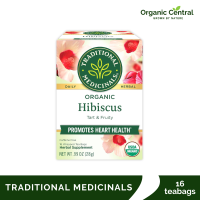
Traditional Medicinals Organic Hibiscus - Supports Normal Heart Health & Cardiovascular Wellness - Kosher Non-GMO Caffeine-Free Compostable - 16 Tea Bags
₱599.00
Buy on Lazada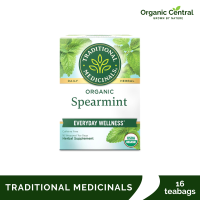
Traditional Medicinals Organic Spearmint - Supports Everyday Wellness Healthy & Refreshing - Kosher Non-GMO Caffeine-Free Compostable - 16 Tea Bags
₱599.00
Buy on Lazada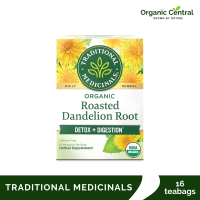
Traditional Medicinals Organic Roasted Dandelion Root - Normal Detox + Digestion - Kosher Non-GMO Caffeine-Free Compostable - 16 Tea Bags
₱599.00
Buy on Lazada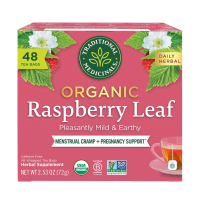
Traditional Medicinals Organic Raspberry Leaf - Menstrual Cramp + Pregnancy Tea Caffeine Free Tea Bags
₱1,699.00
Buy on Lazada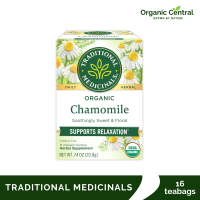
Traditional Medicinals Organic Chamomile - Supports Stress Relief and Relaxation - Kosher Non-GMO Caffeine-Free Compostable - 16 Tea Bags
₱599.00
Buy on Lazada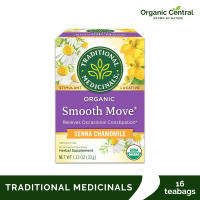
Traditional Medicinals Organic Smooth Move® Senna Chamomile - Helps Relieve Constipation Overnight - Kosher Non-GMO Caffeine-Free Compostable - 16 Tea Bags
₱599.00
Buy on Lazada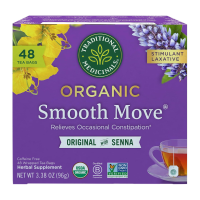
Traditional Medicinals Organic Smooth Move® Tea - Helps Relieve Constipation Overnight - Kosher Non-GMO Caffeine-Free
₱1,699.00
Buy on Lazada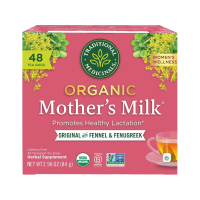
Traditional Medicinals Organic Mothers Milk Womens Tea - Supports Breastfeeding & Lactation with Fennel and Fenugreek - Kosher Non-GMO Caffeine-Free
₱1,699.00
Buy on LazadaAbout Traditional Medicinals
Overview
Traditional Medicinals is an American herbal-wellness company best known for its organic medicinal herbal teas. Founded in 1974 by herbalist Rosemary Gladstar and community activist Drake Sadler, the business emerged from the natural-foods and back-to-the-land movements of the 1970s. Today, it operates as a botanical-wellness company that integrates traditional herbal knowledge, plant science, organic agriculture, and ethical sourcing.1
| Category | Details |
|---|---|
| Company | Traditional Medicinals |
| Founded | 1974 |
| Founders | Rosemary Gladstar and Drake Sadler |
| Origin | Northern California, United States |
| Industry | Herbal wellness / natural products / tea |
| Best known for | Organic medicinal herbal teas |
| Product range | 60+ organic teas and other botanical-wellness products |
| Business structure | California benefit corporation |
| Certification | Certified B Corporation |
| Key principles | Herbalism, organic sourcing, plant science, sustainability, fair trade |
| Primary market identity | Botanical wellness and herbal tea |
The company states that it combines traditional plant knowledge with modern scientific and quality-control practices. Its current product portfolio includes more than 60 organic teas.2
History
Founding
The origins of Traditional Medicinals date to the late 1960s when herbalist Rosemary Gladstar met community activist and environmentalist Drake Sadler. Both were interested in alternatives to mainstream health and consumer culture and became involved in the emerging American herbalism and natural-foods movement.
In 1974, they founded Traditional Medicinals in Northern California. The company’s early operations were modest; Gladstar operated an herb shop near the Russian River and developed herbal formulas in her home. These early formulations included products that would eventually become synonymous with the Traditional Medicinals brand, such as Throat Coat, Mother’s Milk, and Smooth Move.3
The founders aimed to make traditional herbal knowledge more accessible while establishing a business model that treated plants, farmers, collectors, employees, and consumers as interconnected parts of a single system.4
Brand development milestones
- 1974: Traditional Medicinals was established with a mission to bring herbalism and botanical medicine into an accessible consumer format.5
- 1980: The company became the first U.S. manufacturer to market a range of organically and domestically grown herbal products. Trout Lake Farm in Washington, which specialized in organically grown medicinal plants, has been a longstanding agricultural partner.6
- 1982: Traditional Medicinals established its first in-house laboratory, marking a shift toward systematically documenting formulations and implementing formal quality processes alongside traditional knowledge.7 The company also began using specially made natural-fiber tea bags in this year and has continued to develop packaging materials since.8
- 1998: The company began exploring and marketing products containing Fair Trade-certified herbs, reflecting an interest in improving economic conditions for farmers and wild-herb collectors.9
- 2004: Work began on the sustainable sourcing of schisandra berries, which grow in ecosystems shared by giant pandas. This project contributed to what the company describes as the world’s first Panda-Friendly certification.10
- 2008: The Traditional Medicinals Foundation was established to support community-led initiatives in sourcing areas, focusing on food and water security, healthcare, education, and women’s empowerment.11
- 2010: Traditional Medicinals became a Certified B Corporation, distinguishing it as one of the earlier natural-products companies to receive this evaluation of social and environmental performance.12
- 2024: The company marked its 50th anniversary, celebrating five decades of herbal products, botanical research, sustainability initiatives, and ethical sourcing.13
Products
Traditional Medicinals is primarily associated with herbal tea bags formulated around specific herbs, traditional uses, and wellness objectives. The current website categorizes products into areas including digestion, relaxation and stress, immunity, women’s health, respiratory and throat wellness, detox and cleansing, sleep, and everyday wellness.
Well-known teas in the portfolio include:
- Throat Coat
- Smooth Move
- Mother’s Milk
- Echinacea
- Chamomile
- Peppermint
- Dandelion
- Nettle
- Raspberry Leaf
- Lemon Balm
- EveryDay Detox
The company currently describes its portfolio as containing over 60 organic teas.14
Signature products
Throat Coat is one of the company’s signature products and is particularly associated with soothing the throat. It helped establish Traditional Medicinals’ identity as distinct from ordinary flavored tea by positioning the product around a specific herbal-wellness purpose.
Smooth Move is another iconic product associated with digestive and bowel regularity. It reinforced the company’s reputation for creating teas targeted toward specific wellness functions rather than conventional beverage consumption.
Differentiation from conventional tea brands
Traditional Medicinals occupies a distinct position between tea, herbalism, natural products, and wellness. While a conventional tea company typically emphasizes flavor, aroma, and the beverage experience, Traditional Medicinals emphasizes the progression from plant to traditional use, formulation, quality, and wellness purpose.
The company describes its approach as combining traditional plant knowledge with advanced plant science. Herbs are selected according to detailed quality specifications that may include characteristics such as essential-oil content, bitterness, or levels of particular compounds. Consequently, the brand generally classifies its offerings as herbal wellness or botanical wellness products rather than simply flavored teas.
Ingredients and sourcing
A defining characteristic of Traditional Medicinals is its supply chain. According to its quality information, the company sources botanical ingredients from more than 35 countries across six continents and has maintained relationships with some suppliers for over 30 years.15
Traditional Medicinals seeks plants that are organically cultivated or organically growing in the wild, appropriately harvested, traceable, high quality, and, where applicable, medicinal grade. In 2021, the company reported sourcing more than 2.25 million pounds of organic herbs, demonstrating the scale of its botanical supply chain.
Organic philosophy
Organic agriculture is central to the Traditional Medicinals identity. The company states that more than 99% of its herbs are organic, arguing that organic sourcing supports soil health, biodiversity, and ecosystem health while reducing reliance on synthetic agricultural chemicals.16 Many products carry USDA Organic certification. This philosophy extends beyond the finished consumer product to encompass the farms, wild-collection areas, and ecosystems where the plants originate.
Ethical sourcing and certifications
Ethical sourcing is a major component of the company’s operations. Traditional Medicinals works with several certification systems and sourcing programs, including Fair Trade, Fairtrade, FairWild, Fair for Life, USDA Organic, and Non-GMO Project Verified.17
Fair Trade initiatives aim to improve economic relationships with farmers and producers, while FairWild certification is specifically relevant to plants collected from natural ecosystems. FairWild promotes sustainable wild harvesting while protecting ecosystems and supporting collectors. This distinction is significant because many medicinal plants used by the company are wild-harvested rather than conventionally farmed.
FairWild commitment
Traditional Medicinals is closely associated with the FairWild movement, which addresses the pressure commercial demand can place on wild plant populations. The FairWild model seeks to balance consumer demand with sustainable harvesting, ecological protection, and economic benefits for collectors. The company began working with FairWild-related sustainable wild-collection initiatives in the 2000s and has incorporated FairWild-certified ingredients into its products.18
Corporate structure and sustainability
B Corporation and benefit corporation status
Traditional Medicinals became a Certified B Corporation in 2010, subjecting itself to third-party evaluation of social and environmental performance.19 It is also registered as a California benefit corporation. This legal structure allows the company to consider broader stakeholder interests rather than focusing exclusively on shareholder financial returns. Traditional Medicinals describes this model as balancing people, planet, and profit.20
Sustainability initiatives
Sustainability is integrated into multiple aspects of the brand, including organic agriculture, sustainable wild harvesting, biodiversity protection, renewable energy, and ethical sourcing. In 2008, the company installed 1,450 solar panels at its facility, reporting that they generate hundreds of thousands of kilowatt-hours of electricity annually.21 More recently, it introduced a BPI-certified 100% compostable tea wrapper to reduce packaging waste.22
Scientific approach and quality control
Although rooted in traditional herbalism, Traditional Medicinals employs herbalists, scientists, and other specialists to maintain internal quality-control processes. Ingredients and finished products are tested for identity, quality, strength, purity, and composition. Herbal experts are also involved in formulation, dosing, and brewing instructions.23 This creates a hybrid brand identity that combines traditional herbal medicine with modern quality control and consumer packaged goods standards.
Brand philosophy
The philosophy of Traditional Medicinals is built upon several interconnected principles:
- Plants have value beyond flavor: Plants are viewed as sources of traditional and contemporary botanical knowledge rather than mere flavoring agents.
- Wellness begins at the source: The quality of the finished tea is linked directly to how plants are grown, collected, processed, and sourced.
- Traditional knowledge matters: Traditional herbal practices form a foundational element of formulation philosophy.
- Science matters too: Laboratory testing, botanical expertise, and quality specifications are utilized alongside traditional knowledge.
- Business should have a social purpose: The company explicitly identifies as a purpose-driven organization, reinforcing this positioning through its B Corp and benefit-corporation status.24
Packaging and visual identity
Traditional Medicinals packaging is recognizable for its earthy, botanical aesthetic. Boxes typically emphasize botanical illustrations, the name of the plant or herbal formula, the intended wellness purpose, organic certification, preparation instructions, and information about the herbs. This design differentiates the brand from mainstream black-tea and green-tea companies by communicating that the product is a purposeful herbal preparation rather than simply a beverage.
Target consumers and market position
Traditional Medicinals appeals to consumers interested in herbal wellness, organic products, natural foods, plant-based lifestyles, traditional herbalism, sustainable agriculture, ethical sourcing, functional beverages, and caffeine-free alternatives. Its audience ranges from casual herbal tea drinkers to those who select products based on specific traditional herbal uses.
In the U.S. herbal tea and botanical-wellness category, Traditional Medicinals is one of the most recognizable brands. Its competitive identity rests on four pillars:
| Pillar | Traditional Medicinals’ positioning |
|---|---|
| Herbalism | Traditional knowledge of medicinal and wellness plants |
| Quality | Botanical specifications, testing and formulation |
| Sustainability | Organic agriculture and ecosystem protection |
| Ethics | Fair Trade, FairWild and community-oriented sourcing |
The company’s mission combines these elements to make botanical wellness accessible while considering the people and ecosystems behind the ingredients.
Regulatory distinction regarding “medicinal” claims
Despite the word “Medicinals” in its name, Traditional Medicinals is primarily a consumer herbal-wellness company, not a pharmaceutical manufacturer. Its teas are sold as botanical wellness products. While individual herbs may have traditional uses and some scientific evidence for particular effects, this does not automatically mean every Traditional Medicinals product has been clinically proven to treat a disease. Consumers should distinguish traditional wellness claims from established medical treatments, as traditional herbal use is not automatically equivalent to pharmaceutical clinical evidence.
Social impact
The social-impact strategy of Traditional Medicinals is intertwined with its sourcing model, operating on the premise that healthy ecosystems lead to healthy plants, reliable supply, sustainable livelihoods, high-quality products, and consumer wellness. Through its Foundation, the company has supported projects addressing food security, water security, healthcare, education, and women’s empowerment. Sourcing communities are presented as long-term partners rather than merely suppliers.
Notable achievements
Key milestones in the history of Traditional Medicinals include:
- 1974: Founded in Northern California
- 1980: Began marketing a range of organically and domestically grown herbal products
- 1982: Established an in-house laboratory
- 1998: Began working with Fair Trade-certified ingredients
- 2004: Began long-term sustainable schisandra sourcing project
- 2008: Established the Traditional Medicinals Foundation
- 2010: Became a Certified B Corporation
- 2024: Celebrated its 50th anniversary
- 2020s: Continued expansion of organic botanical wellness products and lower-impact packaging initiatives
Founders
Rosemary Gladstar
Rosemary Gladstar is an herbalist and a central figure in the modern American herbalism movement. Her knowledge of medicinal plants played a major role in the original formulation philosophy of Traditional Medicinals, helping to establish the company’s focus on purposeful herbal preparations rather than conventional tea blends.
Drake Sadler
Drake Sadler co-founded Traditional Medicinals with Gladstar in 1974. His background in community activism and environmentalism contributed strongly to the company’s emphasis on social responsibility, sustainability, and what he describes as “right livelihood.”
Overall assessment
Traditional Medicinals is significant for transforming medicinal herbal tea from a niche herbalist product into a mainstream consumer wellness category. Its primary differentiator is a brand philosophy asserting that consumer wellness is connected to the wellness of plants, ecosystems, farmers, and communities. Since its founding in 1974, the company has maintained a consistent approach: traditional herbal knowledge at the product level, scientific quality control at the manufacturing level, and social and environmental responsibility at the business level. Consequently, Traditional Medicinals sits at the intersection of herbal medicine, natural foods, functional beverages, sustainability, and purpose-driven business.
References
- About Us | Traditional Medicinals
- Press, Media & Awards | Traditional Medicinals
- All-Natural Organic Herbal and Medicinal Teas – Traditional Medicinals
- Quality: Herbs, Formulations, Process & Certifications | Traditional Medicinals
- 50th Anniversary – 50 Years In Bloom | Traditional Medicinals
- Editorial: A Letter From the Founder | Traditional Medicinals
- 40 Years of Changing Business for Good | Traditional Medicinals
- What’s in Your Cup? | Traditional Medicinals
- Transparency in Supply Chains Act Disclosure | Traditional Medicinals
- Make Products with Integrity | Traditional Medicinals
- Expand Access to Herbal Medicine | Traditional Medicinals
- Who Owns Traditional Medicinals? Founders and Investors – LegalClarity
- Nurturing Roots: 50 Years of People-First Culture at Traditional Medic | Traditional Medicinals
- A Peek Inside: Our Smooth Move Products | Traditional Medicinals
- Impact Report 2025 | Traditional Medicinals
- Find Our Products In Stores | Traditional Medicinals
- Security Guarantee | Traditional Medicinals
- Our Commitment to Accessibility | Traditional Medicinals
- Our Story – Traditional Medicinals Canada
- Plant Wisdom Collective – Video Series | Traditional Medicinals
- Annual Impact Report | Traditional Medicinals
- Traditional Medicinals – Certified B Corporation – B Lab
- Where We Are Going – Traditional Medicinals Foundation
- Traditional Medicinals | LinkedIn