Shop on Lazada
Hyundai products

Hyundai | Automatic Multi-function Curling Iron 40mm
₱3,270.73₱4,548.68
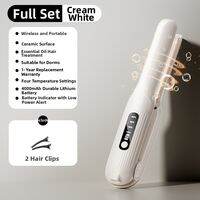
Hyundai | Compact Wireless Hair Straightener and Curler
₱2,323.72₱4,320.85
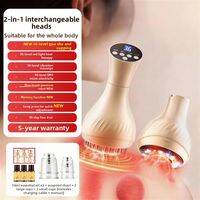
Hyundai | Electric Full Body Massage Brush for Meridian Acupoint Neck Leg Scraping Tummy Trimming
₱3,403.20₱4,460.67
Hyundai | 2-in-1 Cordless Ionic Straightener and Curling Wand 37W
₱2,217.72₱4,332.66
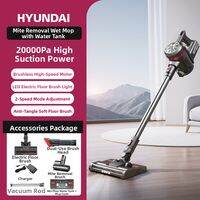
Hyundai | Cordless Vacuum Cleaner Powerful Suction for Pet Hair Wet and Dry
₱5,199.29₱12,150.92
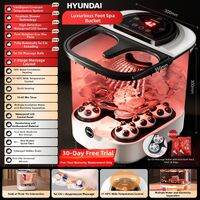
Hyundai | Heating Massaging Foot Bath Tub
₱3,640.52₱4,705.06

Hyundai | Handheld Home Wired Dust Mite Removal High-Suction Floor Cleaning Vacuum
₱2,725.05₱6,809.48
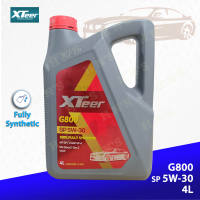
Hyundai XTeer Ultra Protection G800 5W-30 API SP Fully Synthetic Motor Oil 1 Gallon ( 4 Liters )
₱1,867.39₱2,306.00
About Hyundai
Hyundai (Korean: 현대, _Hyŏndae_, meaning “modernity” or “modern times”) is one of the world’s largest automotive brands and a flagship company of Hyundai Motor Company. Headquartered in Seoul, the company designs, manufactures, and sells passenger vehicles, commercial vehicles, electric vehicles (EVs), hydrogen fuel-cell vehicles, and smart mobility solutions. Hyundai is part of the larger Hyundai Motor Group, which also owns the Kia Corporation and premium luxury brand Genesis Motor. [1]
Company Information
-
Full Name: Hyundai Motor Company
-
Founded: December 29, 1967
-
Founder: Chung Ju-yung
-
Headquarters: Seoul, South Korea
-
Industry: Automotive and Mobility
-
Parent Organization: Hyundai Motor Group
-
Global Presence: Operates in more than 200 countries and territories through manufacturing plants, sales offices, and dealerships. [2]
History
Hyundai’s origins date back to 1947, when Chung Ju-yung established the Hyundai Engineering & Construction Company. Recognizing the growing demand for automobiles in South Korea, Hyundai Motor Company was founded in 1967.
Initially, Hyundai assembled vehicles under license for foreign manufacturers, including the Ford Motor Company. In 1975, Hyundai introduced the Pony, South Korea’s first mass-produced passenger car, developed with assistance from international engineers and designers.
During the 1980s and 1990s, Hyundai expanded rapidly into overseas markets, including North America and Europe. Although early models gained a reputation for affordability rather than quality, the company invested heavily in engineering, manufacturing, and quality control. These efforts transformed Hyundai into one of the world’s most respected automotive manufacturers. [3]
Brand Philosophy
Hyundai’s global vision is:
“Progress for Humanity.”
The company aims to improve people’s lives through innovation in transportation, sustainability, robotics, electrification, and future mobility technologies. Hyundai emphasizes creating mobility solutions that are safer, smarter, cleaner, and more accessible. [4]
Products
Hyundai manufactures a wide range of vehicles, including:
Passenger Cars
-
Elantra (Avante)
-
Sonata
-
Accent
-
i20
-
i30
-
Grandeur (Azera)
SUVs and Crossovers
-
Venue
-
Kona
-
Tucson
-
Santa Fe
-
Palisade
-
Creta
Electric Vehicles (EVs)
-
IONIQ 5
-
IONIQ 6
-
Kona Electric
-
IONIQ 9 (selected markets)
Commercial Vehicles
-
Trucks
-
Buses
-
Vans
Hydrogen Fuel Cell Vehicles
-
NEXO
Hyundai continues to expand its electric and hydrogen-powered vehicle lineup as part of its long-term sustainability strategy. [5]
Innovation and Technology
Hyundai invests heavily in advanced technologies, including:
-
Electric vehicles (EVs)
-
Hydrogen fuel-cell technology
-
Autonomous driving
-
Artificial intelligence
-
Connected car systems
-
Robotics
-
Urban air mobility (air taxis)
-
Smart factories
The company has also expanded into robotics through its ownership of Boston Dynamics, reflecting its broader ambition to become a smart mobility solutions provider. [6]
Manufacturing
Hyundai operates manufacturing facilities in numerous countries, including:
-
South Korea
-
United States
-
India
-
Czech Republic
-
Turkey
-
Brazil
-
Indonesia
-
China
-
Vietnam
These facilities produce vehicles for both domestic and international markets. [7]
Global Market Position
Hyundai Motor Group is consistently ranked among the largest automotive manufacturers in the world by vehicle sales, alongside companies such as:
-
Toyota Motor Corporation
-
Volkswagen Group
-
General Motors
Its success is driven by strong sales of SUVs, hybrid vehicles, and electric vehicles, combined with continuous investment in research and development. [8]
Sustainability
Hyundai has committed to reducing carbon emissions through:
-
Expansion of battery-electric vehicles
-
Development of hydrogen fuel-cell technology
-
Renewable energy initiatives
-
Eco-friendly manufacturing
-
Circular economy practices
The company has announced long-term carbon neutrality goals and continues investing in zero-emission transportation technologies. [9]
Subsidiaries and Related Brands
Hyundai Motor Group includes several major automotive businesses:
-
Kia Corporation
-
Genesis Motor
-
Hyundai Mobis
-
Hyundai Transys
-
Boston Dynamics
Awards and Recognition
Hyundai has received numerous international awards for:
-
Vehicle safety
-
Design excellence
-
Electric vehicle innovation
-
Customer satisfaction
-
Sustainability
-
Manufacturing quality
Several Hyundai models have won prestigious honors such as World Car awards, Red Dot Design Awards, and iF Design Awards over the years.
Interesting Facts
-
The word “Hyundai” means “modernity” in Korean.
-
The Hyundai logo symbolizes two people shaking hands—representing trust between the company and its customers.
-
Hyundai was the first Korean automaker to mass-produce a passenger car.
-
The company is recognized as one of the pioneers in hydrogen fuel-cell vehicle commercialization.
-
Hyundai has transformed from a value-focused automaker into a global leader in vehicle design, electrification, and smart mobility.
Summary
Hyundai has evolved from a domestic South Korean automobile manufacturer into one of the world’s leading mobility companies. With a broad lineup of conventional, hybrid, electric, and hydrogen-powered vehicles, along with investments in robotics, AI, and autonomous transportation, Hyundai positions itself not only as a car manufacturer but as a technology-driven mobility provider focused on its vision of “Progress for Humanity.”
References
-
Hyundai Philosophy – About Hyundai | Hyundai Motor Philippines
-
Hyundai Motor to launch 20 models in five years in new China campaign
-
Hyundai Motor misses Q2 forecast, keeps outlook as it plans new model launches
-
Hyundai is rapidly building its first US electric vehicle plant, with production on track for 2025