Shop on Lazada
Kipling products
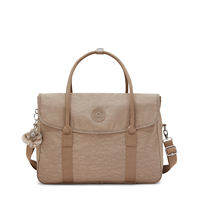
Kipling | Large Capacity Tote Bag for Women Men Canvas Office Work Bag with Comfortable Handles Durable Material for Daily Commute Travel
₱24,084.17
Buy on Lazada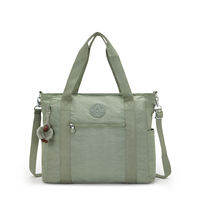
Kipling | Large Capacity Lightweight Canvas Shoulder Bag
₱14,228.08₱18,043.51
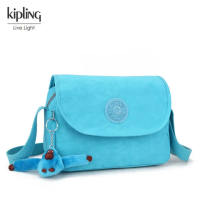
Kipling classic messenger bag medium monkey casual single shoulder bag
₱1,393.12₱2,289.00
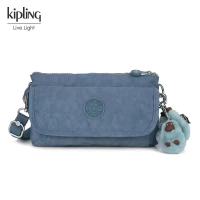
KIPLING classics Cross Body Shoulder Bags(1 free monkey pendant as a gift)
₱1,339.72₱5,711.00
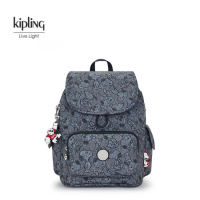
Kipling X PEANUTS Kipling MERITA Doggy Denim S Backpack(1 free monkey pendant)
₱2,658.90₱8,990.00
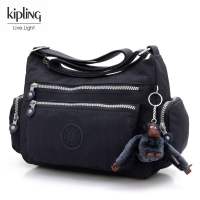
Kipling Messenger Bag Medium Travel Leisure Nylon Cloth Multi-Pocket Bag(Free Monkey Pendant)
₱1,786.00₱8,095.00
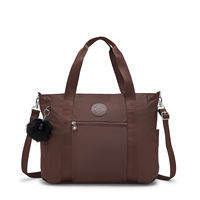
Kipling | Casual Commuter Travel Shoulder Bag
₱14,014.72₱15,548.27
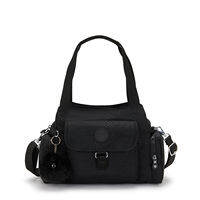
Kipling | New Spacious Lightweight Casual Unisex Sling Shoulder Bag
₱13,775.71₱15,262.07
About Kipling
Overview
Kipling is a Belgian fashion brand best known for its lightweight handbags, backpacks, luggage, travel accessories, and casual lifestyle bags. Founded in 1987 in Antwerp, Belgium, the company built its reputation on combining practical functionality with colorful, contemporary design. One of its most recognizable features is the iconic monkey keychain, which has become the brand’s signature symbol. Kipling is currently owned by VF Corporation, one of the world’s largest apparel and footwear companies.
-
Founded: 1987
-
Founders: Xavier Kegels, Paul Van De Velde, and Vincent Haverbeke
-
Headquarters: Antwerp (global origins), with global operations in Belgium and international offices
-
Industry: Fashion and Accessories
-
Parent Company: VF Corporation (since 2004)
-
Products: Handbags, backpacks, travel bags, luggage, wallets, accessories, laptop bags, crossbody bags, and totes
-
Availability: Sold in more than 80 countries through thousands of retail locations and online stores.
History
Kipling was established in 1987 by three Belgian designers in Antwerp. During product experimentation, they discovered a unique crinkled nylon fabric, which became the foundation of the brand’s identity. The material was lightweight, durable, water-resistant, and easy to maintain, making it an attractive alternative to traditional leather handbags.
The brand’s name was inspired by Rudyard Kipling, the English author of _The Jungle Book_. Drawing inspiration from the adventurous spirit of the story, Kipling adopted the monkey as its mascot, eventually introducing the famous furry monkey keychain that accompanies many of its bags.
Throughout the 1990s, Kipling expanded rapidly across Europe, Asia, and North America. In 2004, it became part of VF Corporation, strengthening its international distribution and global retail presence.
Brand Philosophy
Kipling’s philosophy centers on the idea of “Live Light.” This concept represents more than lightweight bags—it encourages a lifestyle that values simplicity, optimism, curiosity, and freedom. The company aims to create products that make everyday life easier through thoughtful organization, comfort, and practical design.
Its mission focuses on producing accessories that combine:
-
Lightweight construction
-
Everyday functionality
-
Durable materials
-
Comfortable carrying experience
-
Playful, colorful style
Signature Features
Crinkle Nylon
Kipling is most famous for its proprietary crinkle nylon, a fabric known for:
-
Extremely light weight
-
Water resistance
-
High durability
-
Soft texture
-
Wrinkle-resistant appearance
Although many collections now include recycled fabrics, canvas, and premium materials, crinkle nylon remains one of the brand’s defining characteristics.
Monkey Keychain
The furry monkey keychain is Kipling’s most recognizable design element.
Interesting facts include:
-
Inspired by _The Jungle Book_
-
Most bags include either a plush or metal monkey charm
-
Many monkeys are named after Kipling employees around the world
-
Different collections often feature different monkey designs and colors.
Product Categories
Kipling offers a broad range of lifestyle accessories, including:
-
Handbags
-
Backpacks
-
Crossbody bags
-
Shoulder bags
-
Tote bags
-
Laptop bags
-
Travel bags
-
Rolling luggage
-
Wallets
-
Cosmetic bags
-
Pencil cases
-
Accessories
-
School bags
-
Everyday organizers
Many products feature:
-
Multiple zip compartments
-
Lightweight construction
-
Water-resistant materials
-
Adjustable straps
-
Organized interior pockets
Design Style
Kipling is recognized for creating bags that balance practicality with casual fashion. Common design characteristics include:
-
Bright colors
-
Seasonal prints
-
Minimalist silhouettes
-
Functional storage
-
Lightweight feel
-
Everyday versatility
Unlike many luxury handbag brands that prioritize premium leather and formal aesthetics, Kipling focuses on comfort, organization, and daily usability.
Global Presence
Today, Kipling operates as a global lifestyle brand with products available in:
-
Europe
-
North America
-
South America
-
Asia
-
Middle East
-
Africa
-
Oceania
Its products are sold through:
-
Brand-owned stores
-
Department stores
-
Authorized retailers
-
Online marketplaces
-
Official regional websites
The brand reaches customers in more than 80 countries worldwide.
Sustainability
In recent years, Kipling has expanded its sustainability initiatives by:
-
Increasing the use of recycled materials in bag linings and selected fabrics
-
Designing durable products intended for long-term use
-
Reducing environmental impact through material and production improvements
These efforts align with the brand’s broader “Live Light” philosophy.
Target Market
Kipling primarily serves consumers seeking practical, everyday bags, including:
-
Students
-
Office professionals
-
Travelers
-
Parents
-
Commuters
-
Casual fashion consumers
Its products appeal to people who value lightweight, organized bags over formal luxury accessories.
Recognition
Kipling has earned a reputation for:
-
Lightweight everyday bags
-
Functional organization
-
Durable construction
-
Distinctive monkey mascot
-
Signature crinkle nylon fabric
These features have helped the brand maintain a loyal global customer base for decades.
Quick Facts
| Feature | Information |
|---|---|
| Founded | 1987 |
| Origin | Antwerp, Belgium |
| Founders | Xavier Kegels, Paul Van De Velde, Vincent Haverbeke |
| Parent Company | VF Corporation |
| Famous For | Lightweight bags and monkey keychain |
| Signature Material | Crinkle nylon |
| Motto | “Live Light” |
| Products | Bags, backpacks, luggage, accessories |
| Markets | 80+ countries worldwide |
Legacy
Over nearly four decades, Kipling has evolved from a Belgian startup into a globally recognized accessories brand. While expanding its product range and international footprint, it has remained closely associated with lightweight construction, practical design, and its playful monkey mascot. Its combination of functionality and casual style continues to distinguish it in the everyday bag and travel accessories market.