Shop on Lazada
Mountain Dew products
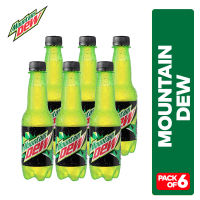
Mountain Dew 290ml PET Bottle - Pack of 6
₱132.00
Buy on Lazada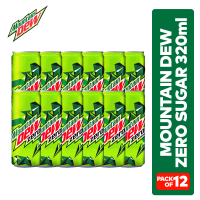
Mountain Dew Zero Sugar 320ml Can - Pack of 12
₱528.00
Buy on Lazada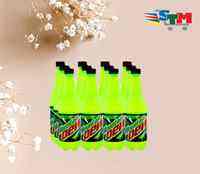
Mountain dew mismo 300ml x 12
₱294.00
Buy on Lazada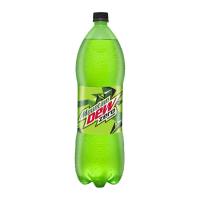
Mountain Dew Zero Sugar 1.5L - Pack of 2
₱125.40₱144.00
![[CASE] Mountain Dew Zero Sugar 500ml PET Bottle - Pack of 24](https://sg-test-11.slatic.net/p/ded636add51763c37298eb00c77c2eda.jpg_200x200q80.jpg)
[CASE] Mountain Dew Zero Sugar 500ml PET Bottle - Pack of 24
₱936.00
Buy on Lazada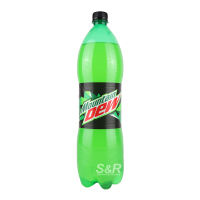
Mountain Dew Soft Drink 1.5L
₱80.00
Buy on Lazada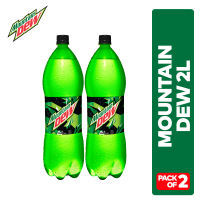
Mountain Dew Drink 2L PET Bottle - Pack of 2
₱212.00
Buy on Lazada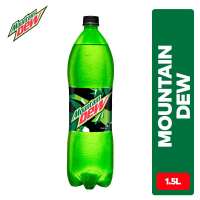
Mountain Dew 1.5L PET Bottle - Pack of 6
₱486.00
Buy on LazadaAbout Mountain Dew
Overview
Mountain Dew is an American carbonated soft drink brand owned and produced by PepsiCo. It is widely recognized for its distinct citrus flavor, high-energy branding, extensive variety of flavors, and marketing campaigns centered on adventure, youth culture, gaming, sports, and extreme activities. The slogan “DO THE DEW” has become synonymous with the brand’s identity.1
| Field | Information |
|---|---|
| Brand | Mountain Dew |
| Common stylization | Mtn Dew |
| Product category | Carbonated soft drink |
| Primary flavor | Citrus |
| Country of origin | United States |
| Original creators | Barney and Ally Hartman |
| Formula developed | 1940s |
| Trademarked | 1948 |
| Acquired by Pepsi-Cola | 1964 |
| Current owner | PepsiCo |
| Headquarters/owner | PepsiCo, United States |
| Major slogan | “DO THE DEW” |
| Official website | mountaindew.com |
Historical accounts of the brand are confirmed by official Mountain Dew FAQs and PepsiCo brand materials.2
History
Origins in Tennessee
The history of Mountain Dew began in Tennessee during the 1940s. Beverage bottlers Barney Hartman and Ally Hartman developed the original formula, initially intending it to serve as a mixer rather than a standalone soft drink. Unable to source their preferred whiskey mixer, the Hartmans created their own citrus-based beverage.2
The name “Mountain Dew” was not originally a reference to mountains or fresh water. Instead, “mountain dew” was a historical slang term for whiskey, particularly homemade spirits. The Hartmans adopted this expression as the name for their new soda. The brand was officially trademarked in 1948, marking the start of its commercial existence.3
Reformulation and Tip Corporation
The brand underwent significant changes in formula and ownership during its early years. In the late 1950s, Bill Bridgforth developed a revised formula. Rights to the beverage eventually passed to the Tip Corporation of Marion, Virginia, where William H. “Bill” Jones further refined it. A new version launched in 1961 closely resembled the modern national brand.3
Acquisition by Pepsi-Cola
A pivotal moment occurred in 1964 when the Pepsi-Cola Company acquired the Mountain Dew brand and production rights from the Tip Corporation. This acquisition allowed Pepsi to expand distribution across the United States and Canada, transforming Mountain Dew from a regional Southern product into a national brand.2
In 1965, Pepsi-Cola merged with Frito-Lay to form PepsiCo, which remains the corporate parent of Mountain Dew today.
Presence in the Philippines
Mountain Dew has maintained a long-standing presence in the Philippine market. According to corporate records from Pepsi Philippines, the brand was introduced locally between 1979 and 1981 during a period of significant expansion for Pepsi’s Philippine operations. This launch established the Philippines as one of the key international markets where Mountain Dew developed a recognizable consumer base.
Brand Development
Following the Pepsi acquisition, the company gradually shifted the brand’s visual identity and marketing strategy. Early advertising featured rural and Appalachian imagery, including a “hillbilly” character on original packaging. Over time, PepsiCo transitioned the brand away from these rural roots toward a younger, more energetic image.3
By the late 20th century, Mountain Dew had cultivated an identity focused on:
- Youth and rebellion
- Outdoor adventure
- Extreme sports
- High energy
- Gaming
- Music and entertainment
- Humor and irreverence
- Friendship and social experiences
This strategic repositioning was instrumental in the brand’s growth.
Product Characteristics
The original Mountain Dew is a carbonated citrus soft drink with a sweet, intense flavor profile distinct from conventional lemon-lime sodas. It is visually characterized by a bright yellow-green or chartreuse hue, strong carbonation, and relatively high caffeine content in many formulations.
PepsiCo describes the core brand as the original citrus soda while emphasizing its broad portfolio of flavor variants.1
Major Products and Flavors
The Mountain Dew portfolio extends significantly beyond the original beverage.
Original Mountain Dew
The flagship product retains the classic citrus flavor that defined the brand.
Diet Mountain Dew
Introduced in 1988, Diet Mountain Dew serves as a lower-calorie alternative and has remained a staple in the product lineup.3
Mountain Dew Code Red
Launched in 2001, Code Red introduced a cherry flavor and proved that consumers would embrace non-citrus variants, marking a major innovation in the brand’s history.3
Mountain Dew Baja Blast
Baja Blast is among the brand’s most recognized flavored varieties. Originally associated with restaurant fountain sales, it later became available in packaged formats and limited-time retail releases.
Mountain Dew Voltage
Voltage features a berry and citrus flavor profile and is a prominent member of the Mountain Dew family.
Mountain Dew LiveWire
LiveWire is an orange-flavored variant that expanded the brand beyond its traditional citrus taste.
Mountain Dew Zero Sugar
Designed for consumers seeking a sugar-free option, Mountain Dew Zero Sugar is marketed as a distinct product from Diet Mountain Dew.4
Current product listings also include Major Melon and Spark, alongside the original, Diet, and Zero Sugar versions.4
Flavor Innovation
Mountain Dew is distinguished by its willingness to experiment with new tastes. Unlike traditional soft drink brands with limited permanent offerings, Mountain Dew frequently introduces:
- Permanent flavors
- Limited-edition flavors
- Seasonal flavors
- Regional flavors
- Retailer-exclusive flavors
- Restaurant-exclusive flavors
- Promotional flavors
- Gaming-related releases
- Special packaging editions
This approach has fostered a highly engaged fan community, making the flavor portfolio nearly as central to the brand’s identity as the original drink.3
Marketing and Advertising
Mountain Dew avoids positioning itself merely as a refreshing soda, instead marketing an attitude and lifestyle. Modern branding emphasizes adventure, energy, excitement, individuality, and friendship, targeting consumers who seek unforgettable moments.1
“Do the Dew”
The signature slogan “DO THE DEW” functions as a call to action rather than a description of ingredients. It reinforces the association between the brand and active, exciting experiences.
Extreme Sports
The brand has historically aligned itself with action and extreme sports, including skateboarding, BMX, snowboarding, motocross, and mountain biking. This association helped distinguish Mountain Dew from traditional cola advertising and cemented its reputation as a youthful, unconventional brand.
Gaming
Gaming is a core component of Mountain Dew’s marketing strategy. The brand has developed numerous promotions, products, and partnerships tied to video game culture, such as the Game Fuel line, which connected Mountain Dew products with major game releases. This aligns with the brand’s focus on youth culture, competition, and entertainment.
Cultural Impact
Mountain Dew has transcended its status as a beverage to become a recognizable element of popular culture. Its distinctive packaging, slang, and aggressive visual identity have led to frequent references in television, music, film, literature, video games, and internet culture.
International Availability
While originating in the United States, Mountain Dew is sold in numerous international markets. However, formulas, branding, and product lineups vary significantly by country. Flavors that are staples in the US may be unavailable elsewhere, while some markets feature exclusive local variants. For example, the brand has had a complex history in the United Kingdom, involving earlier attempts and products marketed under different names.3
Ownership
Mountain Dew is owned by PepsiCo, one of the world’s largest food and beverage companies. PepsiCo lists Mountain Dew as one of its major beverage brands alongside Pepsi, Lay’s, Doritos, Cheetos, Gatorade, and Quaker.1 Consequently, Mountain Dew operates within PepsiCo’s global infrastructure rather than as an independent entity.
Corporate Identity
The brand’s identity revolves around interconnected concepts: Energy → Adventure → Youth → Flavor → Individuality → Community. This framework aims to associate consumption with an active, exciting lifestyle, distinguishing it from brands that emphasize tradition or sophistication.
Logo and Visual Identity
Throughout its history, Mountain Dew has undergone numerous logo and packaging updates. Visual elements typically emphasize:
- Bright green and yellow colors
- Strong angular typography
- High visual contrast
- Dynamic shapes
- Outdoor and adventure imagery
- Contemporary youth culture
The shortened stylization “Mtn Dew” has been used in various markets and campaigns. In 2025, the brand introduced a new logo as part of its ongoing visual evolution.3
Brand Strategy
Mountain Dew’s strategy combines product innovation with cultural marketing. Rather than relying solely on the original citrus drink, the brand creates continuous engagement opportunities through new flavors, limited-edition cans, video game promotions, extreme sports events, restaurant tie-ins, social media campaigns, collector packaging, collaborations, and seasonal releases. This results in a flexible and dynamic brand ecosystem.
Factors in Success
Several factors contribute to Mountain Dew’s longevity:
- Distinctive flavor: A taste profile clearly differentiated from colas and standard lemon-lime sodas.
- Strong visual identity: Immediate recognition through bright colors and aggressive packaging.
- Constant experimentation: A vast variety of flavors maintains consumer interest.
- Youth-oriented marketing: Successful alignment with sports, gaming, music, and entertainment.
- PepsiCo distribution: Access to a massive global beverage network following the 1964 acquisition.
- Fan culture: Limited releases encourage collecting, reviewing, and discussion, turning the product portfolio into entertainment.
Competition
Mountain Dew competes primarily in the carbonated soft drink market against citrus and flavored sodas. Historical competitors include:
- Mello Yello (Coca-Cola)
- Surge (Coca-Cola)
- Sun Drop (Keurig Dr Pepper)
The brand’s competitive advantage lies in its strong flavor identity, extensive experimentation, and lifestyle marketing.3
2026: Nearly 80 Years of Mountain Dew
In 2026, PepsiCo celebrated Mountain Dew’s approaching 80th anniversary. Acknowledging the brand’s 1948 origins in Tennessee, the commemorative campaign included limited-edition packaging that connected the brand’s heritage with its modern identity of boldness, energy, and adventure.1
Legacy
Mountain Dew’s significance extends beyond the popularity of its original soda. Its legacy lies in transforming a regional Tennessee beverage into a global lifestyle brand. From its creation by the Hartman brothers to its current status as a major PepsiCo property, the brand has evolved through distinct eras:
- 1940s–1950s: Regional origins in Tennessee.
- 1960s: Pepsi acquisition and national expansion.
- 1970s–1980s: Repositioning toward youth and adventure.
- 1990s: Establishment of modern identity via action sports and youth culture.
- 2000s: Flavor expansion led by products like Code Red.
- 2010s: Integration with gaming and digital culture.
- 2020s: Continued portfolio expansion with zero-sugar and specialty flavors.
- 2026: Heritage celebration and 80-year milestone.1
Mountain Dew is a PepsiCo-owned American citrus soft drink brand that evolved from a regional Tennessee beverage in the 1940s into a globally recognized youth-culture brand built around bold flavor, adventure, extreme sports, gaming, entertainment, and continual product experimentation.