Shop on Lazada
Murad products
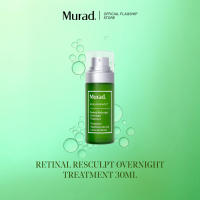
Murad Retinal ReSculpt Overnight Treatment 30mL
₱6,450.00
Buy on Lazada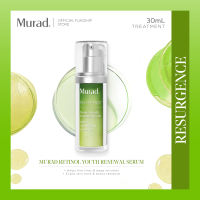
Murad Retinol Youth Renewal Serum 30mL for Wrinkles and Fine Lines
₱4,013.00₱5,350.00
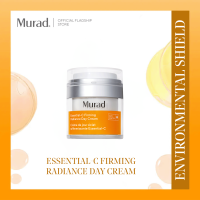
Murad Essential-C Firming Radiance Day Cream 50ml
₱5,350.00
Buy on Lazada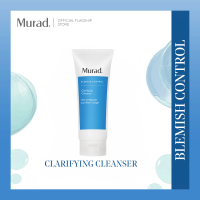
Murad Blemish Control Clarifying Cleanser 148ml
₱2,150.00
Buy on Lazada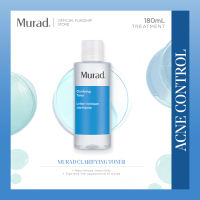
Murad Blemish Control Clarifying Toner 180ml
₱1,850.00
Buy on Lazada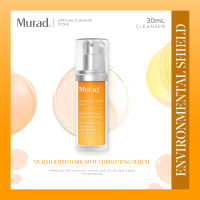
Murad Rapid Dark Spot Correcting Serum 30ml | For Dark Spots and Brightening
₱4,750.00
Buy on Lazada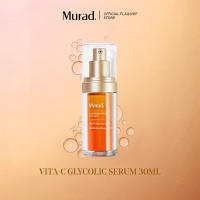
Murad Environmental Shield Vita-C Glycolic Brightening Serum 30ml
₱5,450.00
Buy on Lazada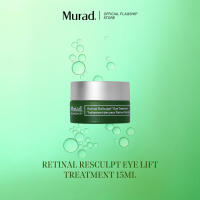
Retinal ReSculpt Eye Lift Treatment 15ml for Anti-Aging
₱5,950.00
Buy on LazadaAbout Murad
Murad is an American skincare brand established in 1989 by Dr. Howard Murad, a dermatologist and pharmacist. The label is distinguished by its integration of clinical research, active ingredients, and a holistic “inside-out” approach to skin health, positioning itself at the intersection of professional dermatology and prestige beauty.1 Since September 1, 2015, Murad has operated as part of Unilever’s prestige beauty portfolio.6
Brand overview
| Attribute | Details |
|---|---|
| Brand | Murad |
| Founded | 1989 |
| Founder | Dr. Howard Murad |
| Origin | United States |
| Category | Skincare / Dermatological skincare / Beauty |
| Positioning | Clinical, dermatologist-developed, science-backed skincare |
| Parent company | Unilever |
| Core philosophy | “Skincare is healthcare” |
| Key focus | Acne, anti-aging, pigmentation, hydration, sun protection, skin barrier, overall skin health |
| Business model | Prestige skincare via direct-to-consumer, beauty retailers, and professional channels |
| Brand character | Scientific, clinical, results-oriented, premium |
Murad identifies as a dermatologist-developed brand, stating that its formulations are designed around Dr. Murad’s concept of total skin health.2
Founder: Dr. Howard Murad
The identity of Murad is intrinsically linked to its founder, Dr. Howard Murad. Trained as both a dermatologist and a pharmacist, he developed a philosophy asserting that skin should not be treated as an isolated organ but rather as a reflection of hydration, nutrition, stress levels, and overall health. This perspective crystallized into the brand’s central tenet: “Skincare is healthcare.”7
Rather than marketing skincare solely as a cosmetic enhancement, Dr. Murad positioned it as a form of preventive and therapeutic care grounded in dermatological science. Throughout his career, he personally treated more than 50,000 patients and secured numerous patents for skin treatment technologies.10
History and development
Founding and early clinical identity
Dr. Howard Murad founded the company in 1989, describing it as the first modern doctor-led skincare brand.2 At the time, the market was generally divided between traditional cosmetics, pharmaceutical treatments, and salon products. Murad sought to bridge these categories by combining medical authority with consumer beauty, a positioning that would later define the modern clinical skincare sector.
In 1990, Dr. Murad introduced his “skincare revolution,” proposing that professionals should utilize scientifically supported formulas to improve skin health. This initiative established a strong clinical identity for the brand within the consumer market.3
Patents and Cellular Water Principle
According to the brand’s historical timeline, Murad received its first patent in 1998. Dr. Murad eventually obtained 19 patents associated with scientific advancements in skin treatment.4 Research and intellectual property subsequently became central to the brand’s credibility.
A significant conceptual milestone occurred in 2000 with the introduction of the Cellular Water Principle™. Dr. Murad’s research indicated that effective water retention at the cellular level was fundamental to skin health, linking cellular hydration directly to broader dermatological function.5
Cultural Stress and Unilever acquisition
By 2003, the brand expanded its scope beyond topical treatments to address “Cultural Stress™,” identifying chronic modern stress as a primary contributor to skin degradation. This marked a shift from purely corrective messaging to a holistic view where skin reflects overall lifestyle and wellbeing.
On September 1, 2015, Unilever acquired Murad, classifying it as a leading clinical skincare brand within its prestige Personal Care division.6 This acquisition occurred during a period of significant expansion for Unilever, which also added brands such as Dermalogica, Kate Somerville, and REN to its portfolio that year. The transition provided Murad with global distribution and infrastructure while preserving its distinct clinical heritage.
Philosophy and wellness pillars
Murad’s current philosophy emphasizes skin health over mere appearance, structured around four pillars representing an “inside-out” approach to wellness:7
- Nourish your skin: Focuses on topical ingredients and formulations that support the skin barrier, hydration, cell turnover, and environmental protection.8
- Eat your water: Promotes the consumption of water-rich fruits and vegetables as a complement to topical hydration.9
- Awaken your body: Incorporates exercise and circulation into the definition of skin wellness.
- Be kind to your mind: Addresses stress management, reflecting the belief that psychological stress impacts skin health.
Product portfolio and key territories
Murad maintains a broad portfolio addressing multiple skin concerns rather than focusing exclusively on anti-aging. Major product categories include cleansers, toners, exfoliators, serums, moisturizers, eye treatments, sunscreens, acne treatments, and skin supplements.14
Acne and blemish control
Acne treatment is a historically significant category for Murad, reinforcing its clinical positioning. Products target breakouts, excess oil, clogged pores, and post-acne discoloration, leveraging the brand’s dermatological narrative of efficacy and science.
Anti-aging
The brand offers extensive solutions for fine lines, wrinkles, loss of firmness, and photoaging. Notable product families include Retinol Youth Renewal, which utilizes established dermatological actives within a prestige framework.16
Pigmentation and brightening
Murad addresses hyperpigmentation, dark spots, and uneven tone through specialized brightening products. Current assortments are explicitly marketed to improve the appearance of discoloration and dullness.13
Hydration and skin barrier
Aligned with the Cellular Water Principle, hydration products emphasize barrier support, hyaluronic acid, and ceramide technologies.11 The brand distinguishes between dehydration and oil production, positioning hydration as essential even for oily skin types.12
Sun protection
Sunscreen is treated as a skincare treatment rather than simple UV protection. The SPF portfolio combines broad-spectrum filters with antioxidants and skin-benefiting ingredients.8
Formulation and technology
Murad’s formulation strategy relies on recognized dermatological actives presented through a clinical lens. Key ingredients across the range include retinol, AHAs, BHAs (salicylic acid), vitamin C, hyaluronic acid, niacinamide, peptides, and ceramides.15 Unlike brands driven solely by ingredient trends, Murad typically contextualizes these components within proprietary delivery systems or comprehensive regimen-based solutions.
Unusually for a topical skincare brand, Murad also manufactures skin-health supplements. These products address concerns such as clarity and aging from within, extending the brand’s proposition to include internal wellness alongside topical care.39
Market positioning and competitive landscape
Murad occupies a specific niche between mass-market cosmetics and luxury fashion beauty. Its value proposition is defined by dermatologist authority, clinical efficacy, and premium aesthetics rather than emotional aspiration or celebrity endorsement.
Pricing
The brand is positioned in the prestige segment. In the U.S. market, pricing benchmarks include cleansers at approximately $35–40, treatment products often exceeding $50, premium serums ranging from $80–100, and moisturizers between $60–100+.6 This architecture reinforces its status as professional-inspired, high-performance skincare.
Competitors
Murad competes across several overlapping segments:
* Clinical/Dermatologist: SkinCeuticals, Obagi, ZO Skin Health, Dermalogica
* Prestige Skincare: Clinique, Estée Lauder, Shiseido, Kiehl’s
* Ingredient-led: The Ordinary, Paula’s Choice
The brand’s differentiation lies in combining doctor-led credibility with accessible prestige retail distribution and a holistic wellness philosophy.
Brand assessment and evolution
Murad is historically significant for popularizing the model of using a doctor’s identity and scientific credentials as the foundation of a consumer beauty brand. Since its founding in 1989, it has evolved from a niche clinical line into a global prestige wellness brand under Unilever, without abandoning its original scientific core.16
Strengths
- Founder Authority: Dr. Murad provides immediate credibility.
- Clear Positioning: Distinct identity as science-backed clinical skincare.
- Heritage: Over three decades of history since 1989.
- Comprehensive Portfolio: Addresses diverse concerns from acne to aging.
- Corporate Scale: Backing by Unilever enables global reach.
Challenges
- Modern Skepticism: Consumers now have independent access to ingredient data and reviews, making “doctor-developed” claims subject to greater scrutiny.
- Market Saturation: The clinical skincare space is increasingly crowded with new entrants.
- Complexity: A broad portfolio can make regimen selection difficult for consumers.
- Price Sensitivity: Competition exists at both lower and higher price points.
Murad is a U.S.-founded prestige skincare brand established in 1989 by dermatologist and pharmacist Dr. Howard Murad. Built around the philosophy that “skincare is healthcare,” the company pioneered a doctor-led, clinical approach to consumer skincare, combining dermatological science, active ingredients and wellness principles. Its portfolio spans acne treatment, anti-aging, pigmentation, hydration, sun protection and skincare supplements. Murad was acquired by Unilever in 2015 and became part of its prestige Personal Care portfolio. The brand today occupies a position between professional dermatological skincare and prestige beauty, emphasizing clinically oriented formulations, total skin health and Dr. Murad’s broader inside-out approach to wellness.14
References
- Our Story – Murad Skincare
- Hydrating Skin Products for Dry Skin | Murad Skincare
- Skincare Supplements & Vitamins | Murad Skincare
- Multi-Vitamin Clear Gel SPF 50: Vitamin Infused | Murad Skincare
- About Subscriptions – Murad Skincare
- Your Skin And Wallet Will Thank You! – Murad Skincare
- Dr. Howard Murad on the do’s and don’ts of entrepreneurship—’no matter who you are, you’re going to fail at some point’ – Murad Skincare
- Why sunscreen is the best anti-aging investment: Science | Murad Skincare
- Skincare Supplements & Vitamins | Murad Skincare
- 6 minutes of ‘ask me anything’ with derm/founder Dr. Howard Murad – Murad Skincare
- Ceramides Products for Skin Care | Murad Skincare
- Face Firming & Lifting Skincare Products | Murad Skincare
- Rapid Dark Spot Correcting Serum for Face | Murad Skincare
- Murad Skincare | Clinical Skin Care Company
- Skincare standards, part 1: These facts about salicylic acid will surprise you – Murad Skincare
- Aging is inevitable—here’s how to do it smarter, better and more gracefully – Murad Skincare