Shop on Lazada
Pyrex products
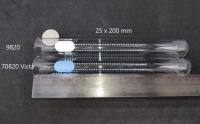
Original PYREX Test Tube Glass Sold Per Piece
₱160.00
Buy on Lazada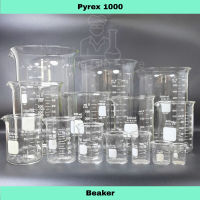
Original PYREX Beaker Glass 10mL to 4000mL Sold Per Piece
₱4,561.00
Buy on Lazada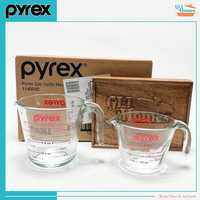
Pyrex 2 Piece Glass Measuring Cups WITH FLAW ON BOTTOM OF GLASS - READ DESCRIPTION Made In USA
₱1,099.00₱1,650.00
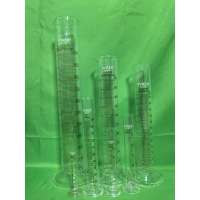
COD Original PYREX The glass graduated cylinder is clear and accurate Made in Germany High borosilicate glass
₱947.00
Buy on Lazada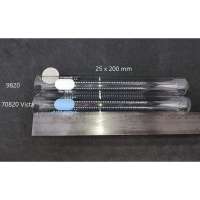
COD Orihinal na PYREX Test Tube Glass Nagbebenta sa bawat piraso High borosilicate glass Resistant to acid and alkali
₱190.00
Buy on LazadaCOD Orihinal na PYREX Test Tube Glass Nagbebenta sa bawat piraso High borosilicate glass made in Germany
₱191.00
Buy on Lazada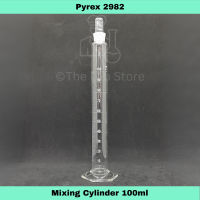
100mL PYREX Graduated Cylinder with Stopper (Mixing Cylinder) Glass Original
₱2,754.00
Buy on Lazada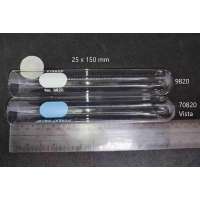
COD 5pcs Original PYREX test tube borosilicate high temperature resistant test tube Made in Germany
₱817.00
Buy on LazadaAbout Pyrex
Pyrex (stylized as PYREX or pyrex, depending on the product and region) is one of the world’s most recognizable brands of heat-resistant glassware, primarily known for its kitchen bakeware, food storage containers, measuring cups, and laboratory glassware. Introduced in 1915 by Corning Glass Works in the United States, Pyrex revolutionized home cooking by making durable, oven-safe glass cookware widely available. Today, the Pyrex name is also associated with scientific laboratory equipment made from high-quality borosilicate glass. [1]
History
Origins (1908–1915)
The origins of Pyrex trace back to Corning Glass Works, which developed a special heat-resistant borosilicate glass called Nonex. This material was originally designed for railroad signal lanterns because it could withstand rapid temperature changes without cracking.
According to the brand’s history, Bessie Littleton, the wife of Corning scientist Jesse T. Littleton, experimented by baking a cake in a cut-down Nonex battery jar after becoming frustrated with traditional ceramic baking dishes breaking in the oven. The experiment was highly successful and inspired Corning to develop a dedicated line of glass cookware.
In 1915, Corning officially introduced the Pyrex brand with twelve kitchen products, including pie plates, casserole dishes, and loaf pans. [2]
Growth and Popularity
Pyrex quickly became popular because it offered several advantages over traditional cookware:
-
Resistance to thermal shock
-
Transparency for monitoring food while baking
-
Non-reactive surface that would not absorb odors or flavors
-
Easy cleaning
-
Long-lasting durability
By 1919, millions of Pyrex products had already been sold, establishing the brand as a household staple in North America. Throughout the 20th century, Pyrex expanded internationally and introduced colorful decorated mixing bowls, storage dishes, measuring cups, and serving ware. [3]
Product Categories
Today, Pyrex manufactures a broad range of kitchen products, including:
-
Glass baking dishes
-
Casserole dishes
-
Measuring cups
-
Mixing bowls
-
Food storage containers
-
Glass lids
-
Oven-safe cookware
-
Microwave-safe containers
-
Glass laboratory equipment (under the PYREX laboratory brand)
Many products are designed for use in ovens, microwaves, refrigerators, freezers, and dishwashers when used according to the manufacturer’s instructions. [4]
Glass Materials
One of the most discussed aspects of the Pyrex brand is the type of glass used in its products.
Borosilicate Glass
Original Pyrex cookware was made from borosilicate glass, which offers:
-
Excellent resistance to sudden temperature changes
-
High chemical resistance
-
Low thermal expansion
-
Superior durability for laboratory applications
Borosilicate glass continues to be widely used for PYREX laboratory glassware and in some consumer products sold outside the United States. [5]
Tempered Soda-Lime Glass
Many consumer Pyrex products sold in the United States are now manufactured using tempered soda-lime glass.
Advantages include:
-
Greater resistance to impact
-
Lower manufacturing cost
-
Good durability for everyday kitchen use
However, tempered soda-lime glass is generally less resistant to extreme thermal shock than borosilicate glass, so manufacturers recommend avoiding sudden temperature changes, such as moving a hot dish directly onto a cold or wet surface. [6]
Laboratory Glassware
Apart from kitchen products, PYREX is one of the world’s leading brands of scientific laboratory glassware.
Laboratory products include:
-
Beakers
-
Flasks
-
Test tubes
-
Graduated cylinders
-
Pipettes
-
Bottles
-
Glass reactors
These products are manufactured from Type I, Class A borosilicate glass, which provides exceptional resistance to heat and chemicals, making PYREX a standard in research laboratories worldwide. [7]
Ownership and Brand Licensing
The Pyrex name has been used by different companies for different product categories:
-
Corning Glass Works created the brand in 1915.
-
In 1998, Corning exited the consumer cookware business.
-
Consumer kitchen products are now marketed under licensed brand owners in different regions.
-
Corning continues to own and manufacture PYREX laboratory glassware. [8]
Safety Recommendations
To maximize product life, manufacturers generally recommend:
-
Avoid placing hot glassware directly on cold countertops.
-
Do not add cold liquids to hot glass.
-
Avoid using damaged or chipped glassware.
-
Do not use glass bakeware on stovetops or under broilers unless specifically designed for that purpose.
-
Follow the product’s care instructions for safe oven, microwave, freezer, and dishwasher use. [9]
Legacy
For more than a century, Pyrex has been regarded as one of the most influential cookware brands in the world. Its combination of durability, versatility, and timeless design has made it a staple in both home kitchens and scientific laboratories. Vintage Pyrex pieces—especially the colorful patterned bowls and casserole dishes produced during the mid-20th century—have also become highly collectible among enthusiasts. [10]