Shop on Lazada
Renthal products
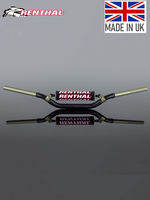
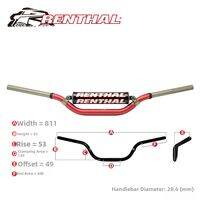
Renthal | Off-road Motorcycle Modification Universal R Handlebar
₱17,547.17₱20,392.27
Renthal | High-Strength Double-Layer Off-Road Motorcycle Handlebar
₱16,355.81
Buy on Lazada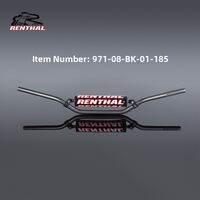
Renthal | Modification ATV Handlebar 7/8 inch
₱9,310.19
Buy on Lazada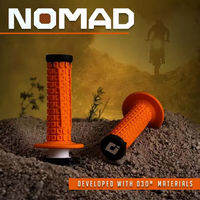
Renthal | Quick Install Remove Motorcycle Grip
₱3,759.50
Buy on Lazada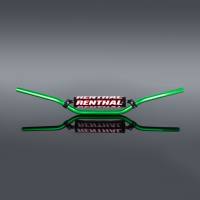
Original Renthal Handle Bar 971 7/8″ 22MM Universal Alloy Motorcycle Handlebar Fatbar Made in UK
₱2,300.00₱7,000.00
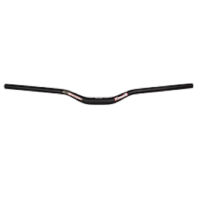
Renthal Handlebar V2 Fatbar Riser 31.8 /Clamping 800mm
₱3,050.00₱5,490.00
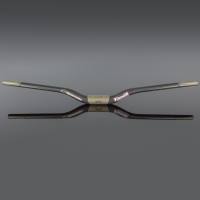
Renthal Fatbar M174-01BK | M155-01-BK Carbon Handlebar
₱9,290.00
Buy on Lazada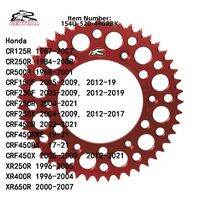
Renthal | Alloy Off-road Large Sprocket
₱7,687.50
Buy on LazadaAbout Renthal
Renthal is a British performance-component manufacturer best known for its motorcycle and bicycle handlebars, particularly in motocross, supercross, enduro, trials, downhill mountain biking, and BMX. Founded in 1969 in the United Kingdom, the company developed its reputation through lightweight aluminium handlebars and close involvement with professional racing.1 Today, Renthal produces components for motorcycles, ATVs, road motorcycles, and bicycles, with its manufacturing base in Manchester, England.
Overview
| Information | Details |
|---|---|
| Brand | Renthal |
| Company | Renthal Ltd |
| Founded | 1969 |
| Founders | Andrew Renshaw and Henry Rosenthal |
| Origin | United Kingdom |
| Headquarters / manufacturing base | Manchester, UK |
| Industry | Motorcycle, ATV and bicycle components |
| Best known for | Aluminium handlebars |
| Major markets | Motocross, supercross, enduro, trials, road motorcycles, MTB and BMX |
| Notable products | Twinwall, Fatbar, 7/8″ handlebars, grips, chainwheels, levers, handguards, stems and chainrings |
| Ownership | Self-owned, according to Renthal |
| Website | renthal.com |
History
Foundation
Renthal was established in 1969 by motorcycle and engineering enthusiasts Andrew Renshaw and Henry Rosenthal. The name Renthal is a combination of their surnames: “Ren” from Renshaw and “thal” from Rosenthal.1
The company’s earliest products were aluminium handlebars for trials motorcycles. This was an important direction for the company because Renthal focused on producing a lighter, high-performance alternative to conventional motorcycle handlebars.
Renthal’s racing involvement began very early. According to the company, it achieved its first trials World Championship title in 1971, with rider Mick Andrews.1
Entry into motocross
In 1975, Renthal expanded into motocross and established a full-time production facility in Manchester. Motocross subsequently became one of the central areas of the brand’s identity.1
The company continued expanding through the 1970s and 1980s before entering the United States market in the early 1990s. Its products became increasingly associated with professional motocross and supercross racing.1
Renthal’s first motocross World Championship victory came in 1981, when Neil Hudson won using Renthal equipment.1
The 2000 factory fire
A major event in Renthal’s corporate history occurred in October 2000, when the company’s factory was destroyed by a large fire.
Rather than simply rebuilding the old facility, Renthal constructed a new manufacturing and design facility. The company says the facility covers approximately 49,000 square feet and contains manufacturing, quality-control, research and development equipment.1
OEM motorcycle adoption
In 2004, Renthal reached an important milestone when its aluminium handlebars became original equipment on a Japanese off-road motorcycle.
The company says Honda, Kawasaki and Suzuki currently select Renthal handlebars as original equipment for certain performance motocross models.1
This OEM presence is significant because it means Renthal is not simply an aftermarket racing brand; its components have also been selected by major motorcycle manufacturers for production motorcycles.
Expansion into bicycles
Renthal entered the bicycle component market in 2010, applying engineering and racing experience developed through motocross to mountain biking.1
One of its most important early cycling products was the Fatbar mountain-bike handlebar. In 2010, Renthal-sponsored rider Sam Hill won the Downhill World Championship using a Renthal Fatbar.1
The cycling range has since expanded to include:
- Aluminium handlebars
- Carbon-fibre handlebars
- Stems
- Grips
- Chainrings
Renthal’s cycling products are particularly associated with mountain biking, downhill and BMX racing.1
Product categories
Renthal’s product portfolio can broadly be divided into Moto, Road, and Cycle products.
Motorcycle and ATV
The motorcycle range includes:
- Handlebars
- Grips
- Bar mounts
- Handguards
- Levers
- Chain
- Chainwheels/sprockets
- Brake pads
The company serves motocross, enduro, trials, ATV/quad and road-bike applications.1
Handlebars
Handlebars remain the core of Renthal’s identity.
Its major motocross handlebar platforms include:
- 7/8″
- Fatbar
- Twinwall
- FB36
Renthal says its moto range has grown to more than 1,000 bend and colour combinations across these platforms.1
Twinwall
The Twinwall is one of Renthal’s most recognizable technologies.
Introduced in 1998, it uses a patented tube-within-a-tube construction. The outer and inner tubes use different aluminium alloys, creating a strong and lightweight handlebar intended for demanding motocross applications. Renthal says the design was inspired by aircraft construction principles.1
The Twinwall is particularly associated with professional motocross and supercross racing.
Fatbar
The Fatbar is another major Renthal product family. It helped establish the company in the modern mountain-bike market and became one of its signature MTB products.
The product family has expanded into aluminium and carbon versions, including different diameters and lightweight variants.1
7/8″ handlebars
Renthal’s original-style 7/8-inch handlebar remains part of its current product line.
The company states that these handlebars use 7010 T6 aluminium, undergo a 15-step manufacturing process, and incorporate a crossbrace designed to provide stiffness while retaining a controlled amount of flex.1
Chainwheels
Renthal also produces motorcycle chainwheels/sprockets. Its manufacturing process involves computer engineering, CNC machining and surface treatments designed to improve wear resistance and drivetrain life. The company’s distinctive Ultralight design uses a machined lightening pattern to reduce weight while managing chain loads.1
Engineering philosophy
A major part of Renthal’s brand identity is its emphasis on weight, strength, stiffness, durability and controlled flex.
Rather than treating components simply as generic replacement parts, Renthal develops many products around the requirements of competitive riders.
For example, its handlebars are engineered around questions such as:
- How much weight can be removed?
- How much flex should the handlebar have?
- How much vibration reaches the rider?
- How does the material respond to repeated loading?
- How will the component behave during a crash?
- How can manufacturing tolerances be controlled?
This engineering-oriented approach is one reason the brand became strongly associated with racing.
Manufacturing
Although Renthal is an international brand, the company emphasizes that its manufacturing heart remains in Manchester, UK.1
Renthal describes itself as a self-owned design and manufacturing company, with extensive facilities at its UK site.1
The company therefore differs from brands that primarily design products and outsource most manufacturing. Renthal maintains significant in-house manufacturing and engineering capabilities.
Racing heritage
Racing is arguably the most important part of Renthal’s brand identity.
The company has supplied equipment to riders competing in disciplines including:
- Trials
- Motocross
- Supercross
- Enduro
- Speedway
- Mountain-bike downhill
- Enduro mountain biking
- BMX
Renthal states that its components have been used in more than 268 World Championship titles and more than 285 US titles in motorcycling. These figures are Renthal’s current published figures and can change as additional championships are won.1
The company’s racing philosophy is essentially that products should be developed alongside the people who use them at the highest level.
Relationship with professional riders
Renthal has historically maintained close relationships with elite racers.
One of the best-known examples from motocross is Jeremy McGrath, whose career became closely associated with Renthal during the rise of American supercross in the late 1980s and 1990s.1
In mountain biking, Sam Hill was particularly important to Renthal’s early cycling success, winning the 2010 Downhill World Championship with a Renthal Fatbar.1
This connection between professional racing and product development remains central to the company’s marketing and engineering philosophy.
Brand identity
Renthal’s visual identity is strongly connected with motorsport and racing.
The brand is particularly recognizable for:
- Gold-coloured components
- Bold black-and-gold branding
- Racing-oriented product design
- Aluminium handlebars
- Motocross and mountain-bike sponsorship
- Association with professional championship racing
The distinctive appearance of Renthal handlebars and sprockets has made the brand recognizable even among riders who may not use other Renthal components.
Why Renthal is significant
Renthal is significant within the powersports and cycling industries for several reasons.
First, it helped popularize high-performance aluminium handlebars in off-road motorcycle applications. Its history begins specifically with the development of aluminium trials handlebars.1
Second, it developed products specifically around the demands of professional competition rather than treating racing as merely a marketing activity.
Third, technologies such as Twinwall became important examples of specialized motorcycle handlebar construction.1
Fourth, Renthal successfully transferred its motocross engineering expertise into mountain biking when it entered the cycling market in 2010.1
Timeline
- 1969 — Renthal founded by Andrew Renshaw and Henry Rosenthal.
- 1971 — First trials World Championship title associated with Renthal, with Mick Andrews.
- 1975 — Company enters motocross and establishes full-time production in Manchester.
- 1981 — Neil Hudson wins a motocross World Championship using Renthal.
- Early 1990s — Renthal expands into the US market.
- 1998 — Twinwall handlebar introduced.
- 2000 — Renthal’s factory is destroyed by fire; a new manufacturing and design facility is subsequently built.
- 2004 — Renthal aluminium handlebars become original equipment on a Japanese off-road motorcycle.
- 2010 — Renthal enters the bicycle-component market.
- 2010 — Sam Hill wins the Downhill World Championship using a Renthal Fatbar.
- 2019 — Renthal celebrates 50 years of handlebar production.
- 2026 — Renthal continues operating as a global motorcycle, ATV and bicycle component manufacturer with manufacturing centered in the UK.1
Renthal today
As of 2026, Renthal describes itself as a global manufacturer, designer and seller of motorcycle, ATV and cycle components. Its current portfolio extends considerably beyond the handlebars with which the company originally became famous.1
Its core positioning, however, remains remarkably consistent with its origins:
Lightweight, high-performance components developed through engineering and racing experience.
That makes Renthal somewhat unusual in the motorcycle-component industry: although it has become a recognizable global aftermarket brand, its identity is still heavily rooted in competition, engineering and UK manufacturing.
In one sentence
Renthal is a British performance-component brand founded in 1969 that evolved from pioneering aluminium trials handlebars into a globally recognized manufacturer of motorcycle, ATV and bicycle components, with a particularly strong heritage in motocross, supercross and mountain-bike racing.1