Shop on Lazada
Skinfood products
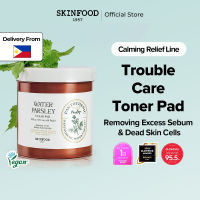
Skinfood Pantothenic Water Parsley Clear Pad
₱1,248.00
Buy on Lazada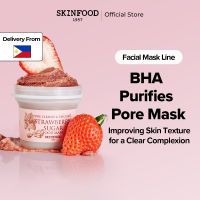
Skinfood Strawberry Sugar Food Mask
₱720.00
Buy on Lazada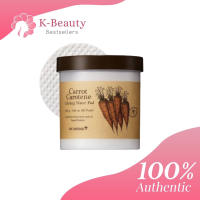
SKINFOOD Carrot Carotene Calming Water Pad
₱760.00₱1,100.00
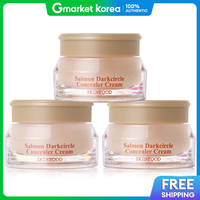
Skinfood | (New) Salmon Dark Circle Concealer Cream (Color Selection)
₱422.56₱733.36
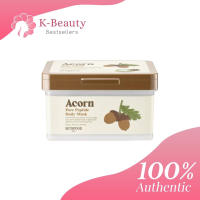
SKINFOOD Carrot Carotene / Yuja C Vita / Arcon Pore Peptide Daily Mask
₱790.00₱1,200.00
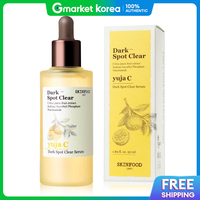
Skinfood |Yuja Seed Blemish Clear Serum 50ml
₱939.46₱1,403.81
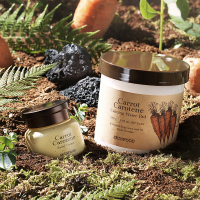
SKINFOOD Carrot Carotene Calming Water Pad 60ea
₱1,215.66₱1,489.00
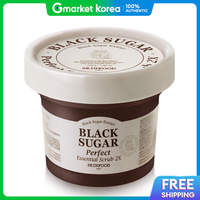
Skinfood | Skinfood Black Sugar Perfect Essential Scrub 2X 210g (New)
₱820.18₱1,414.12
About Skinfood
Overview
Skinfood is a South Korean cosmetics and skincare brand distinguished by its core concept of utilizing food-derived ingredients as the foundation for beauty products. The brand operates under the slogan “Treat Your Skin With Food,” reflecting the philosophy that nutrients beneficial to the body can also support skin health. The company traces its heritage to 1957 and identifies itself as the first cosmetics brand specifically rooted in food.1 Skinfood Co., Ltd. currently maintains an international presence across markets including the United States, Japan, Hong Kong, Iraq, Turkey, Vietnam, Thailand, Guatemala, and Bangladesh.2
| Category | Information |
|---|---|
| Brand name | Skinfood |
| Industry | Cosmetics / skincare / beauty |
| Country of origin | South Korea |
| Heritage | Since 1957 |
| Core concept | Food-based cosmetics |
| Brand philosophy | “Treat Your Skin With Food” |
| Main products | Skincare, masks, cleansers, sun care, body care, makeup, hair care |
| Known for | Food-derived ingredients, wash-off masks, toner pads, ingredient-focused lines |
| Company | SKINFOOD Co., Ltd. |
| CEO | Joohyuk Chun |
| Headquarters | Seoul, South Korea |
History and Heritage
While frequently associated with the contemporary K-beauty movement, Skinfood grounds its corporate history in 1957. This date refers to the establishment of its subsidiary, Ipeeres Laboratories, which the company cites as the source of its expertise in cosmetics formulation and ingredient research.2 It is important to distinguish this research heritage from the launch of the modern retail brand; however, the legacy of Ipeeres Laboratories provided the technical basis for Skinfood’s eventual identity.
The brand ultimately coalesced around the proposition that food suitable for consumption could offer tangible benefits for the skin. This concept evolved into the current brand identity, positioning Skinfood as a pioneer in food-centric cosmetics.1
Brand Philosophy and Concept
Skinfood differentiates itself in the crowded beauty market through its “food cosmetics” concept. Rather than focusing primarily on synthetic actives or clinical terminology, the brand centers its narrative on recognizable food ingredients. The international website frames this approach as “Pick Your Food,” encouraging consumers to select products based on specific dietary ingredients and their associated benefits.3
Core Principles
The brand’s philosophy rests on three main pillars:
- Food to Skin: The fundamental belief that nutritious food ingredients contribute to healthy-looking skin. Skinfood positions itself as an original food-cosmetics brand that captures these nutritional benefits in topical formulations.1
- Ingredient Quality and Sourcing: The company emphasizes the provenance of its ingredients rather than merely listing chemical compounds. Brand stories frequently highlight specific origins, such as Brazilian black sugar, Korean yuja, South Asian royal black honey, and farm-sourced tomatoes.1
- Healthy Beauty: Beauty is framed as an extension of a healthy lifestyle rather than a temporary cosmetic fix. This perspective aligns high-quality food ingredients with holistic well-being.3
Differentiation in K-Beauty
Within the Philippine and global K-beauty landscape, where many brands emphasize dermatology, fermentation, or minimalism, Skinfood uses food as its primary organizing principle. The consumer journey typically follows a path of “food ingredient → skincare benefit → product,” creating an accessible emotional and visual identity distinct from clinically focused competitors.
Key Product Lines
Skinfood has developed numerous collections based on specific ingredients. Several of these have become signature franchises within the brand’s portfolio.
Black Sugar
The Black Sugar line is perhaps the brand’s most iconic franchise, particularly known for exfoliating and wash-off treatments. The Black Sugar Mask Wash Off remains a staple in international markets and established the brand’s reputation for combining recognizable food textures with tactile skincare experiences.3
Royal Honey
Focused on nourishment and hydration, the Royal Honey range utilizes honey-derived ingredients. Products such as the Royal Honey Propolis Enrich Essence are prominent in the current lineup, catering to consumers seeking moisture-rich formulations.2
Carrot
Carrot-based products are positioned for soothing and calming skincare. The portfolio includes items like the Carrot Carotene Calming Water Pad, with carrot featured as a key ingredient in the brand’s directory.31
Rice
Rice serves as another foundational ingredient in Korean skincare. Current offerings include rice-based products and the Rice Brightening pad line, targeting concerns related to skin tone and texture.2
Peach
The peach concept is linked to soft, smooth skin and complexion refinement. International listings feature products such as the Peach Cotton Pore Blur Pact and Peach Sake Toner, emphasizing pore care and skin smoothing.3
Product Categories
Skinfood offers a comprehensive catalog extending beyond facial skincare. The official international store categorizes its portfolio as follows:1
- Skincare: Cleansers, toners, essences, serums, creams, moisturizers, and treatments.
- Masks: Wash-off masks, sheet masks, daily masks, and specialized treatments.
- Toner Pads: An increasingly significant category covering hydration, exfoliation, and soothing concerns.2
- Sun Care: Sunscreens and sun-protection products.
- Makeup: Base makeup, color cosmetics, and powder/compact products.
- Body and Hair: Dedicated body-care and hair-care products.
- Men’s Products: Grooming and skincare specifically formulated for men.
Ingredient Storytelling and Sustainability
A defining characteristic of Skinfood is its method of communicating ingredient efficacy. Instead of abstract chemical claims, the brand bridges food culture and beauty culture by explaining how specific nutritional properties translate to skincare benefits. Current ingredient directories feature diverse foods including acorn, avocado, black sugar, carrot, egg white, honey, lemon, peach, pineapple, rice, water parsley, and yuja.3
Recently, the brand has integrated sustainability through upcycling. Skinfood incorporates vegetables with low commercial appeal—such as produce deemed too imperfect for retail sale—into skincare formulations. This initiative extends the food-cosmetics philosophy to include waste reduction and coexistence between people, nature, and animals.1
Visual Identity
Skinfood employs an aesthetic combining freshness, playfulness, and clear ingredient signifiers. Packaging and product design often visually mimic the featured ingredient; for instance, carrot products resemble the vegetable, while black sugar items convey a dark, granular texture. This approach creates an identity that is colorful, youthful, and distinctly Korean, contrasting sharply with the minimalist or clinical packaging common elsewhere in the industry.
Market Positioning and Evolution
Positioning
| Dimension | Skinfood |
|---|---|
| Origin | South Korea |
| Core Idea | Food-based beauty |
| Brand Personality | Friendly, ingredient-focused, playful |
| Differentiation | Food ingredients |
| Price Point | Accessible / Mass-market K-beauty |
| Hero Categories | Masks, skincare, toner pads |
| Target Audience | Broad; consumers seeking approachable K-beauty |
| Signature Philosophy | “Treat Your Skin With Food” |
Modern Evolution
Skinfood is actively adapting its traditional identity to align with contemporary K-beauty trends. While maintaining its food-centric heritage, the current catalog incorporates modern active ingredients and formats. Products now feature components such as PDRN, peptides, glutathione, and hyaluronic acid alongside classic food extracts. For example, the official store promotes carrot PDRN pads and glutathione pads next to long-standing food franchises, indicating a strategy that blends heritage with current skincare science.2
Strengths and Considerations
The brand’s strength lies in the universal intelligibility of food ingredients; consumers globally understand concepts like honey, rice, and sugar without requiring extensive scientific background. However, it is understood within the industry that “food-derived” does not inherently imply superior efficacy compared to synthetic alternatives. Skinfood is best viewed as a cosmetics company inspired by food nutrition, rather than a literal application of kitchen ingredients. Effectiveness relies on proper formulation, concentration, and stability rather than edibility alone.
Corporate Information
Skinfood is operated by SKINFOOD Co., Ltd., headquartered in Gangnam-gu, Seoul, South Korea. The company lists Joohyuk Chun as CEO. The continued promotion of new and renewed products on the official Korean store confirms the brand’s active status in the competitive cosmetics market.2