Shop on Lazada
The Republic of Tea products
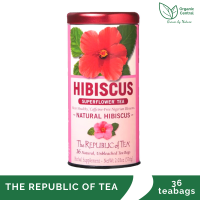
The Republic of Tea Natural Hibiscus 36 Teabags
₱1,139.98₱1,155.00
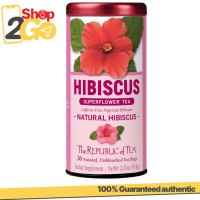
Republic of Tea Natural Hibiscus 36 tea bags
₱1,199.00₱1,500.00
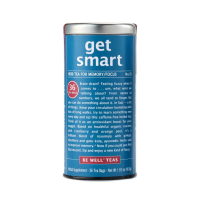
The Republic Of Tea Get Smart
₱1,238.68₱1,255.00
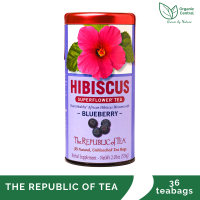
Republic Of Tea Hibiscus Blueberry 36 Teabags
₱1,139.98₱1,155.00
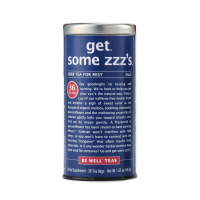
The Republic of Tea Get Some ZZZs
₱1,238.68₱1,255.00
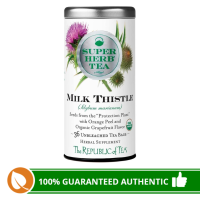
Republic Of Tea Organic Milk Thistle 36 Tea Bags – USDA Organic Herbal Supplement with Orange Peel & Grapefruit Flavor
₱1,459.00₱2,000.00
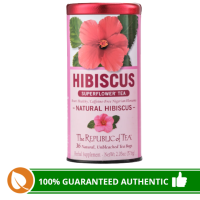
Republic of Tea Natural Hibiscus 36 tea bags
₱1,199.00₱1,500.00
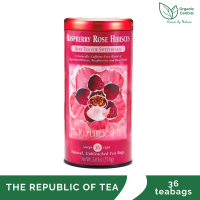
The Republic Of Tea Raspberry Rose Hibiscus 36 Tea Bags
₱1,139.98₱1,155.00
About The Republic of Tea
Overview
The Republic of Tea is an American premium tea and herbal-infusion company founded in 1992 in California. Headquartered in Larkspur, California, the brand is recognised for its extensive range of specialty teas, iconic cylindrical tin packaging, and a unique corporate identity modelled after a fictional republic. The company places significant emphasis on tea education, product innovation, sustainability, and mindful consumption.1
| Field | Information |
|---|---|
| Company | The Republic of Tea |
| Industry | Tea, beverages, herbal products |
| Founded | 1992 |
| Founders | Mel Ziegler, Patricia Ziegler, Bill Rosenzweig |
| Original location | Mill Valley, California |
| Headquarters | Larkspur, California |
| Ownership | Privately held; family-owned |
| Key owner | Ron Rubin |
| Current leadership | Todd B. Rubin (President/CEO since 2015) |
| Products | Premium teas, herbal teas, matcha, iced teas, tea concentrates, accessories |
| Product range | 350+ premium teas and herbs |
| Brand terminology | Customers = “Citizens”; Employees = “Ministers”; Retailers = “Embassies”; Sales reps = “Ambassadors” |
| Signature philosophy | “Sip by Sip Rather Than Gulp by Gulp” |
| Website | republicoftea.com |
Current company materials state that The Republic of Tea offers more than 350 premium teas and herbs, alongside bottled iced teas and related accessories.1
History
Founding
The Republic of Tea was established in 1992 by Mel Ziegler, Patricia Ziegler, and Bill Rosenzweig in Mill Valley, California. Mel and Patricia Ziegler were previously known as the founders of Banana Republic, which they sold to Gap in 1983.1
Rather than operating as a conventional commodity tea seller, the founders positioned the business as a lifestyle-oriented premium tea company. They deliberately structured the brand as a fictional independent republic, creating a distinctive vocabulary surrounding the tea-drinking experience. In its inaugural year, the company introduced 21 teas to the American market, describing the launch as a “Tea Revolution.”1
Acquisition by Ron Rubin
A pivotal moment occurred in 1994 when entrepreneur Ron Rubin acquired the company. Rubin discovered the founders’ book, The Republic of Tea: Letters to a Young Entrepreneur, and was inspired by the concept to purchase the business approximately 18 months after its founding.1 He subsequently expanded the enterprise into a significantly larger specialty tea operation.
His son, Todd B. Rubin, joined the firm in 2007 and assumed the role of president in 2015, marking a transition to second-generation family leadership. Ron Rubin continues to serve as executive chairman, referred to internally as the “Minister of Tea.”1
Growth
Throughout the 1990s and 2000s, The Republic of Tea grew its assortment from a modest collection of specialty teas to hundreds of varieties. Its strategy focused on unique flavours, premium ingredients, consumer education, and packaging that differentiated it from standard supermarket brands. By its 30th anniversary in 2022, the company reported having developed 350+ premium teas and herbs while maintaining a commitment to innovation, education, sustainability, and specialty tea culture.1
Brand Identity
A defining characteristic of The Republic of Tea is its fictional political nomenclature. Instead of standard corporate titles, the company presents itself as a “republic”:
- Customers are referred to as Citizens.
- Employees are known as Ministers.
- Sales representatives are titled Ambassadors.
- Retail outlets are designated as Embassies.
- Senior executives hold titles such as Minister of Tea and Minister of Evolution.
This terminology aims to frame purchasing and consuming tea as participation in a community rather than a simple transaction. The company currently lists more than 10,000 “Embassies” stocking its products globally.1 This playful identity contributes to The Republic of Tea being recognised as much as a lifestyle brand as a tea manufacturer.
Products
The Republic of Tea maintains an unusually broad catalogue for a specialty tea company, featuring 350+ premium teas and herbs alongside other beverages and accessories.1 Major categories include:
Black Tea
The company offers traditional black teas as well as flavoured and blended varieties. Ginger Peach Tea holds historical significance as the company’s first tea and has remained its most popular flavour since 1992. It is available in multiple formats, including black, green, white, and caffeine-free versions.1
Green Tea
The portfolio encompasses Japanese and Chinese green teas, flavoured green teas, and functional blends.
White Tea
White tea is central to the company’s reputation for innovation. The Republic of Tea states it was the first tea brand to introduce 100% white tea to the American marketplace.1
Oolong and Specialty Teas
Offerings include teas from major producing regions such as China, India, Japan, and Taiwan. The sourcing programme prioritises relationships with growing regions over treating tea solely as a standardised commodity.1
Herbal and Caffeine-Free Teas
A substantial collection of herbal infusions and botanical blends addresses wellness, digestion, beauty, and general well-being.
Matcha
Matcha products are marketed under the U-Matcha™ line.
Iced Tea
Bottled iced teas form part of the portfolio, with product development extending into newer beverage formats.
Sparkling Tea
In March 2026, The Republic of Tea launched its first-ever sparkling tea, White Jasmine Sparkling Tea, expanding beyond its traditional still-tea offerings.1
Signature Packaging
Packaging is integral to the brand’s identity. The Republic of Tea is particularly associated with its round, unbleached tea bags and distinctive airtight, light-resistant tins. Traditionally, the tea bags omit strings, tags, staples, and individual envelopes common in conventional products.1
The company estimates that eliminating these components reduces material waste significantly. For every million tea bags produced, approximately 60 pounds of staples, 47 miles of string, and 1 million paper tags are diverted from the waste stream.1 Visually, the tins and labels are designed to resemble specialty food or apothecary products rather than mass-market tea boxes, reinforcing the brand’s premium positioning.
Tea Sourcing
The Republic of Tea sources leaves and herbs from numerous growing regions worldwide, including:
- China
- India
- Japan
- Sri Lanka
- Taiwan
- South Africa
- Other Asian and African tea-growing regions
The company emphasises terroir, regional traditions, and direct relationships with growers. It has also organised employee trips to tea-producing countries such as Sri Lanka, India, Japan, China, Taiwan, and South Africa.1 China is noted for its diversity of tea styles, including green, black, white, oolong, and pu-erh. India provides key black-tea origins like Assam and Darjeeling, while Japan is associated primarily with green tea and matcha.1
Innovation
Innovation has been a central theme since the company’s inception. The Republic of Tea identifies itself as an early American marketer of categories then unfamiliar to mainstream consumers, including:
- 100% white tea
- Rooibos
- Yerba maté
The company also states it was the first tea company to receive USDA Organic certification and currently offers more than 70 certified-organic teas.1 Recent innovations include functional tea collections, matcha products, regenerative-organic offerings, specialty iced teas, and sparkling tea launched in 2026.1
Organic, Dietary and Sustainability Positioning
Health and sustainability are prominent in the company’s market positioning. The Republic of Tea states its teas are Certified Gluten-Free through the Gluten-Free Certification Organization (GFCO). It also offers USDA Organic products and promotes Non-GMO and kosher-certified options.1
The company is a member of the Ethical Tea Partnership, which focuses on social and environmental conditions in the tea industry. Additional sustainability affiliations include the Climate Collaborative and Upcycled Food Association.1 Initiatives encompass packaging improvements, renewable energy, waste reduction, responsible sourcing, and regenerative-organic agriculture.1
Corporate Culture
The company’s unique terminology extends into its organisational culture. The Republic of Tea refers to its workplace philosophy as “Ta Shun,” translated as “Harmony for the Whole.” Employees are encouraged to participate in community volunteering through the “Make a Difference Days” programme.1
The firm promotes employee benefits and wellness programmes, describing itself as a family-oriented workplace. It has received “Best Places to Work” recognition from the North Bay Business Journal.1
Marketing and Collaborations
The Republic of Tea frequently utilises cultural properties and themed collections to engage consumers beyond traditional tea enthusiasts. Licensed or themed collections have included:
- Bridgerton
- Star Wars / The Mandalorian
- Downton Abbey
- Wicked
Limited-edition collections combine tea with entertainment, pop culture, and gifting. In 2026, for example, the company introduced Bridgerton Season 4 and Wicked collections.1 This strategy distinguishes the brand from competitors focusing primarily on origin or price.
Market Position
The Republic of Tea occupies a space between a specialty tea company, premium packaged-food brand, and lifestyle brand. Its competitive identity rests on several pillars:
- Premium positioning: Emphasis on high-quality leaves, herbs, and blends.
- Large variety: Hundreds of teas rather than a limited core assortment.
- Distinctive packaging: Iconic tins and round tea bags.
- Education: Extensive information on origins, preparation, and varieties.
- Innovation: Early adoption of white tea, rooibos, and yerba maté.
- Wellness positioning: Broad selection of herbal and functional blends.
- Sustainability: Organic products, responsible sourcing, and eco-friendly packaging.
- Brand personality: The fictional “Republic” creates a recognisable voice.
Distribution occurs through natural and specialty-gourmet retailers, restaurants, and online channels rather than exclusive proprietary stores.1
Notable Milestones
| Year | Milestone |
|---|---|
| 1992 | The Republic of Tea founded in California by Mel Ziegler, Patricia Ziegler and Bill Rosenzweig. |
| 1992 | Introduced its first 21 teas; Ginger Peach became its signature early product. |
| 1994 | Ron Rubin acquired the company. |
| 2007 | Todd B. Rubin joined the company. |
| 2015 | Todd Rubin became president/”Minister of Evolution.” |
| 2022 | Celebrated 30th anniversary with 350+ teas and herbs. |
| 2025 | Celebrated 33rd anniversary; reported more than 350 teas and herbs.1 |
| 2026 | Introduced first sparkling tea, White Jasmine Sparkling Tea. |
| 2026 | Continued expansion into regenerative-organic teas and new specialty collections.1 |
Brand Philosophy
The central philosophy of The Republic of Tea is encapsulated in its slogan:
“Sip by Sip Rather Than Gulp by Gulp.”
This concept advocates for deliberate consumption rather than treating tea as a purely functional beverage. The company links tea drinking with mindfulness, exploration, education, and a slower pace of life.1 This philosophy drives the brand’s investment in storytelling, inviting consumers to learn about a tea’s origin, ingredients, history, and intended experience rather than simply purchasing a generic product.
Overall Significance
The Republic of Tea is notable in the American tea industry for helping popularise premium and specialty tea culture during a period when the US market was dominated by inexpensive mass-market tea bags. Its primary contribution has been establishing tea as a lifestyle and discovery category rather than a standardised grocery item. The company’s unique naming system, extensive variety, distinctive packaging, international sourcing, and introduction of unfamiliar tea categories reinforce this positioning.
After more than three decades, The Republic of Tea remains an independently positioned American brand with 350+ teas and herbs, a broad retail presence, a strong direct-to-consumer operation, and a continued focus on innovation, education, and sustainability.1