Shop on Lazada
Tim Hortons products
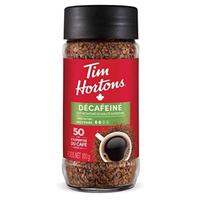
TIM HORTONS PREMIUM INSTANT COFFEE 100g CANADA BB 2027
₱595.00
Buy on Lazada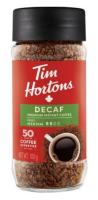
Tim Hortons Premium (Decaf/Light/Medium/Dark) Roast Instant Coffee (Message us for Reservation)
₱745.00
Buy on Lazada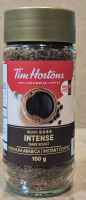
NEW and ORIGINAL - Tim Hortons Premium Instant Coffee Medium (100g) - Dark Roast Light Roast Premium Decaf)
₱695.00₱725.00
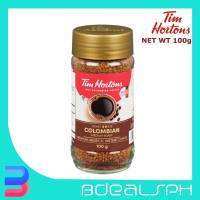
Tim Hortons Premium Instant Coffee - Rich Aroma Easy Brew Large Serve
₱878.00
Buy on Lazada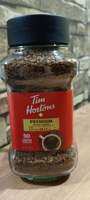
NEW and ORIGINAL Tim Hortons Premium Instant Coffee 300g ( Original and imported from Canada)
₱1,980.00₱2,250.00
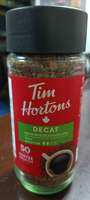
TIM HORTONS DECAF PREMIUM INSTANT COFFEE 100g Imported from Canada
₱790.00
Buy on Lazada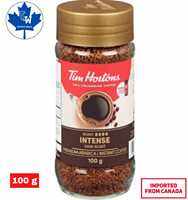
PROUDLY CANADIAN Tim Hortons INTENSE DARK ROAST Premium Instant Coffee | 100g BB: DEC 2027
₱699.00₱700.00
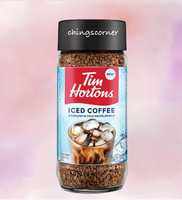
TIM HORTONS PREMIUM ICED COFFEE 100g CANADA BB 2027
₱595.00
Buy on LazadaAbout Tim Hortons
Tim Hortons, commonly referred to as Tims, is a Canadian multinational coffeehouse and quick-service restaurant (QSR) chain. Established in 1964 in Hamilton, Ontario, by professional ice hockey player Tim Horton and later expanded by businessman Ron Joyce, it has grown into one of North America’s largest restaurant chains and the largest in Canada by store count.1 While deeply rooted in Canadian culture, the brand has expanded internationally, entering the Philippine market in 2017.2
As of December 31, 2025, Tim Hortons operates 6,232 restaurants across 21 countries and territories, including 4,586 locations in the U.S. and Canada and 1,646 international outlets.1 The brand is currently owned by Restaurant Brands International (RBI), which also owns Burger King, Popeyes, and Firehouse Subs.1
Quick facts
| Category | Information |
|---|---|
| Brand name | Tim Hortons |
| Common name | Tims |
| Industry | Coffeehouse / Quick-service restaurants |
| Founded | 1964 |
| Founder | Tim Horton |
| First location | Hamilton, Ontario, Canada |
| Headquarters / home market | Canada |
| Parent company | Restaurant Brands International (RBI) |
| Major products | Coffee, doughnuts, baked goods, breakfast, sandwiches, wraps, specialty beverages |
| Global presence | 21 countries and territories as of Dec. 31, 2025 |
| Restaurants | 6,232 as of Dec. 31, 2025 |
| Philippines entry | 2017 |
| Parent company brands | Tim Hortons, Burger King, Popeyes, Firehouse Subs |
History
Foundation and early expansion
Tim Hortons was founded in 1964 by Tim Horton, a renowned National Hockey League defenseman, with the first restaurant opening in Hamilton, Ontario. The original concept focused on providing affordable coffee and baked goods for everyday customers, a straightforward model that helped establish a strong community presence.2
In 1967, Horton partnered with Ron Joyce, originally a franchisee, who became instrumental in the company’s development. Following Horton’s death in 1974, Joyce continued to expand the business from a small regional chain into a major national brand. That same year, the Tim Horton Children’s Foundation was established in his memory.2
Growth from the 1970s to the 1990s
The chain expanded rapidly across Canada in subsequent decades. A significant product milestone occurred in 1976 with the introduction of Timbits, bite-sized doughnut pieces that became one of the brand’s most recognizable items. The baked goods selection further grew in the 1980s with the addition of muffins and cookies.
International expansion began in 1984 with the opening of the first U.S. location in Tonawanda, New York. During the 1990s, the menu diversified beyond traditional offerings with the introduction of flavored lattes in 1997 and the Iced Capp in 1999.2
Cultural identity
In Canada, Tim Hortons is considered a cultural institution closely tied to national identity and daily life. Its ubiquity, accessible pricing, and presence in both small towns and major cities have cemented this status. The term “Double-Double”, referring to a coffee with two creams and two sugars, is uniquely associated with the brand and was added to the Canadian Oxford Dictionary in 2004.2
Major products
While originally known for coffee and doughnuts, the Tim Hortons menu has evolved significantly.
Coffee and beverages
Coffee remains central to the brand. Beverage offerings include Original Blend coffee, specialty coffees, lattes, cappuccinos, espresso, iced coffee, Iced Capp, specialty teas, hot chocolate, fruit smoothies, and seasonal drinks. Parent company RBI describes the lineup as premium coffee alongside a broad range of hot and cold specialty beverages.1
Doughnuts and baked goods
Baked goods are a defining category, featuring doughnuts, Timbits, muffins, cookies, croissants, bagels, and other pastries. Timbits remain among the most iconic products.2
Meals and food
Tim Hortons operates as a destination for breakfast, lunch, and dinner. Menu items include:
- Breakfast sandwiches and wraps
- Hash browns and bagels
- Sandwiches, wraps, and panini
- Soups and flatbread pizzas
- Other prepared foods
RBI notes that the modern menu covers all dayparts in addition to traditional coffee and baked goods.1
Tim Hortons in the Philippines
Tim Hortons entered the Philippine market in 2017, more than five decades after its founding in Canada.2 The local operation offers the core brand experience, including coffee, baked goods, sandwiches, and wraps, catering to the Philippines’ established café and QSR culture.
Since its entry, the chain has expanded beyond Metro Manila to various parts of the country. Official store directories list locations in areas such as Manila, Quezon City, Taguig, Parañaque, Laguna, Dagupan, and Angeles.2
Corporate ownership
Tim Hortons is owned by Restaurant Brands International (RBI), a Canadian corporation and one of the world’s largest QSR companies. RBI’s portfolio includes:
- Tim Hortons
- Burger King
- Popeyes
- Firehouse Subs
While RBI maintains principal executive offices in Miami, Florida, Tim Hortons retains Canada as its home market.1 As of December 31, 2025, RBI reported system-wide sales of approximately US$8.25 billion for the brand.1
Business model
The brand operates primarily through a franchise-based model. Franchisees manage individual restaurants while the parent company provides branding, systems, standards, products, and marketing support. This structure facilitates rapid expansion without direct ownership of every outlet. According to RBI’s 2025 annual report, more than 95% of its restaurants were franchised.1
Marketing and community involvement
Tim Hortons maintains a strong emotional connection with consumers through marketing that emphasizes heritage, hockey, family, and community routines. Promotional campaigns such as Roll Up the Rim, introduced in 1986, have become embedded in popular culture.2
Community support is integral to the corporate identity. The Tim Hortons Children’s Foundation, established in 1974, supports youth through camp experiences and related programs. Under RBI, the brand also participates in the Restaurant Brands for Good framework, focusing on food, environmental sustainability, and community impact.1
Key milestones
| Year | Event |
|---|---|
| 1964 | Tim Horton opens the first restaurant in Hamilton, Ontario |
| 1967 | Tim Horton and Ron Joyce become partners |
| 1974 | Tim Horton dies; Tim Horton Children’s Foundation is established |
| 1976 | Timbits are introduced |
| 1981 | Muffins and cookies are added to the product lineup |
| 1984 | First U.S. restaurant opens in Tonawanda, New York |
| 1986 | Roll Up the Rim promotion begins |
| 1997 | Flavored lattes introduced |
| 1999 | Iced Capp introduced |
| 2000 | 2,000th restaurant opens in Toronto |
| 2004 | “Double-Double” enters the Canadian Oxford Dictionary |
| 2014 | Tim Hortons celebrates its 50th anniversary |
| 2014 | Tim Hortons becomes part of Restaurant Brands International |
| 2017 | Tim Hortons enters the Philippines |
| 2025 | RBI reports 6,232 Tim Hortons restaurants globally |
Historical milestones are based on published brand history and RBI corporate filings.12