Shop on Lazada
TOM FORD products
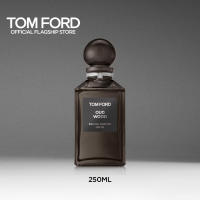
Tom Ford Beauty - Private Blend Fragrance • Unique artisanal perfumes for men and women 250ml 100ml 50ml 30ml 10ml
₱42,000.00
Buy on Lazada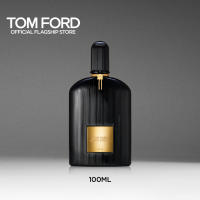
Tom Ford Beauty – Signature Fragrance • Modern yet timeless scents for men and women 100ml 50ml 30ml 10ml
₱18,000.00
Buy on Lazada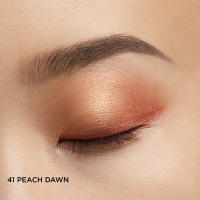
Tom Ford Beauty - Eye Color Quad - 4 shades Eyeshadow 9g • Ultra-soft sensorial crème formula that lasts for hours
₱6,300.00
Buy on Lazada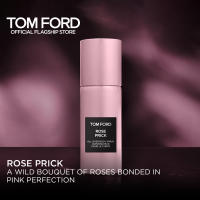
Tom Ford Beauty All Over Body Spray 150ml
₱6,900.00
Buy on Lazada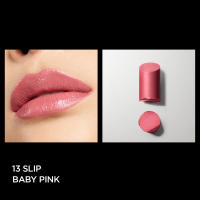
Tom Ford Beauty - Slim Lip Color Shine - Creamy Lipstick 0.8g • New 100 Scarlet Rouge high coverage lightweight makeup
₱2,850.00
Buy on Lazada![[NEW] Tom Ford Beauty - Private Blend Eau de Parfum Discovery Collection - Perfume 4ml x 2 • Oud Wood & Neroli Portofino perfume for men & women](https://ph-live.slatic.net/p/6d38f223e89237c9cfe90b94e0672743.jpg_200x200q80.jpg)
[NEW] Tom Ford Beauty - Private Blend Eau de Parfum Discovery Collection - Perfume 4ml x 2 • Oud Wood & Neroli Portofino perfume for men & women
₱3,000.00
Buy on Lazada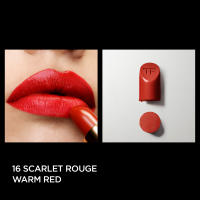
Tom Ford Beauty - Runway Lip Color - Lipstick 3.5g • Longwear rich creamy and high pigment makeup
₱4,000.00
Buy on Lazada![[NEW] Tom Ford Beauty - Radiance Hydrating Cushion Foundation SPF 50/PA+++ - Skincare-Infused Cushion Foundation 12g • Medium to Full Coverage](https://ph-live.slatic.net/p/57f6dab988f7af4f60d48feb9062b034.jpg_200x200q80.jpg)
[NEW] Tom Ford Beauty - Radiance Hydrating Cushion Foundation SPF 50/PA+++ - Skincare-Infused Cushion Foundation 12g • Medium to Full Coverage
₱4,950.00
Buy on LazadaAbout TOM FORD
TOM FORD, commonly stylized as TOM FORD, is an American luxury fashion and beauty brand founded in 2005 by American designer and filmmaker Tom Ford. The house is distinguished by its combination of precise tailoring, sensuality, glamour, sophisticated minimalism, and highly controlled visual branding.
Today, TOM FORD is recognized as a major name in contemporary luxury, with a portfolio spanning fashion, leather goods, shoes, eyewear, fragrances, makeup, skincare, and accessories. The brand is owned by The Estée Lauder Companies (ELC), while its fashion operations are conducted through a long-term licensing relationship with the Ermenegildo Zegna Group.1
Basic information
| Category | Information |
|---|---|
| Brand name | TOM FORD |
| Founder | Tom Ford |
| Founded | 2005 |
| Founder nationality | American |
| Headquarters / corporate base | New York, United States |
| Industry | Luxury fashion, beauty, fragrance, eyewear |
| Parent company | The Estée Lauder Companies |
| Fashion partner/licensee | Ermenegildo Zegna Group |
| Eyewear partner/licensee | Marcolin |
| Creative Director | Haider Ackermann |
| President & CEO | Guillaume Jesel |
| Main markets | Global; ELC states the brand has a presence in 100+ markets |
| Positioning | Ultra-luxury / luxury |
| Official website | tomford.com |
ELC identifies itself as the sole owner of the TOM FORD brand and its intellectual property. In 2024, Haider Ackermann was appointed Creative Director.2
Who is Tom Ford?
The brand is intrinsically linked to its founder. Thomas Carlyle Ford, born in Austin, Texas, in 1961, originally studied art history at New York University before shifting his focus to architecture and eventually fashion at Parsons. He entered the fashion industry in the 1980s and joined Gucci in 1990.3
Ford’s career trajectory includes serving as Gucci womenswear designer, Design Director, and ultimately Gucci Creative Director in 1994. Following Gucci’s acquisition of Yves Saint Laurent, he also became Creative Director of Yves Saint Laurent. He subsequently founded TOM FORD in 2005 and directed the films A Single Man and Nocturnal Animals.
His tenure at Gucci is particularly significant as it established the design philosophy that would later define TOM FORD. Under Ford’s leadership, Gucci transformed from a struggling Italian luxury house into one of the most commercially powerful fashion brands of the 1990s. His aesthetic for the house emphasized sex appeal, sharp tailoring, provocative advertising, glamour, and a highly recognizable lifestyle image.4
Crucially, TOM FORD did not begin as an unknown designer attempting to build a label from scratch; rather, it launched after Tom Ford had already demonstrated his ability to transform an established luxury house. This distinction is fundamental to understanding the brand’s immediate market positioning.
Foundation of TOM FORD
Ford departed the Gucci Group in the mid-2000s following disagreements regarding the company’s creative and business direction. He subsequently established his own company alongside former Gucci chief executive Domenico De Sole.
The TOM FORD concept was unconventional for a new luxury entrant. Rather than immediately attempting to manufacture every category internally, Ford built the house through strategic partnerships. The initial product offerings focused on fragrance and eyewear, followed later by men’s fashion, women’s fashion, and beauty cosmetics. ELC notes that the brand launched in 2005 with fragrance and eyewear, while its first womenswear collection appeared in 2010.5
This strategy allowed TOM FORD to establish its name rapidly without requiring the extensive infrastructure traditionally associated with a vertically integrated fashion house.
The TOM FORD concept
At its core, TOM FORD positions luxury as an attitude rather than solely as craftsmanship. The brand’s visual language typically combines several key elements:
Tailoring
Sharp shoulders, precise cuts, tuxedos, fitted jackets, and structured silhouettes are fundamental to the house’s identity.
Sensuality
Unlike traditional understated luxury brands, TOM FORD frequently emphasizes sexuality, skin, body-conscious silhouettes, and provocative styling.
Glamour
The brand often evokes associations with Hollywood, nightlife, private clubs, luxury travel, and celebrity culture.
Modern masculinity
Ford’s menswear helped popularize an extremely polished vision of the modern male wardrobe, featuring tailored suits, eveningwear, leather, sunglasses, luxurious casualwear, and carefully groomed presentation.
Modern femininity
TOM FORD women are frequently portrayed as confident, powerful, and deliberately sensual rather than traditionally demure.
Excess controlled by minimalism
This contradiction is perhaps one of the most characteristic aspects of the brand. While the clothing can be extravagant, the overall presentation remains highly controlled.
TOM FORD’s aesthetic
The classic TOM FORD aesthetic can be summarized as sexy, tailored, glamorous, expensive, and cinematic. Ford’s work frequently draws inspiration from multiple eras and styles, including 1970s glamour, 1980s power dressing, 1990s minimalism, Hollywood eveningwear, Italian tailoring, British suiting, and American popular culture.
The resulting style is not purely Italian, American, or British, but rather a deliberately constructed international luxury aesthetic. The brand describes its identity as centering on “immaculate tailoring, modern sensuality and refined elegance.”6
Fashion
Fashion remains one of the most recognizable expressions of the TOM FORD identity.
Menswear
Menswear is arguably where the brand’s DNA is most immediately visible. Typical TOM FORD menswear includes suits, tuxedos, dinner jackets, tailored trousers, shirts, knitwear, leather and suede jackets, coats, shoes, belts, bags, sunglasses, and accessories. The underlying philosophy combines luxurious tailoring with sensuality and effortless confidence. Current official collections continue to emphasize Italian-style tailoring, suede, leather, formalwear, and sophisticated casual pieces.7
Womenswear
Women’s fashion was introduced later than menswear, with the first womenswear collection arriving in 2010.8 TOM FORD womenswear is characterized by evening dresses, cocktail dresses, tailored suits, tuxedo-inspired clothing, leather, silk, cashmere, body-conscious silhouettes, high heels, handbags, jewelry, and accessories. Contemporary collections continue to highlight dramatic eveningwear, sharp tailoring, leather, and luxurious fabrics.9
Beauty and fragrance
Beauty and fragrance represent a critical pillar of the TOM FORD business. Unlike many fashion brands that developed beauty as a secondary extension, TOM FORD’s fragrance and beauty businesses became central to the brand early in its history.
TOM FORD Private Blend
The Private Blend collection represents the more exclusive side of TOM FORD fragrance, positioned around sophisticated, unusual, and luxurious compositions rather than mass-market scents. Well-known fragrances associated with the brand include:
- Black Orchid
- Tobacco Vanille
- Oud Wood
- Tuscan Leather
- Lost Cherry
- Oud Minerale
- Neroli Portofino
- Fucking Fabulous
- Bitter Peach
- Rose Prick
- Ebène Fumé
- Soleil Blanc
The success of the fragrance business helped make TOM FORD recognizable even among consumers who do not purchase its clothing.
TOM FORD Beauty
TOM FORD BEAUTY encompasses fragrance, eau de parfum, lip products, foundation, eye makeup, face makeup, skincare, and body products. The beauty business was originally developed through a partnership with The Estée Lauder Companies. This relationship deepened significantly when ELC acquired the TOM FORD brand itself in 2023.10
This acquisition created a unique corporate structure: the brand’s fashion heritage remains strongly connected to the Zegna Group, while its intellectual property and beauty ecosystem are held under Estée Lauder.
Eyewear
Eyewear has been part of TOM FORD since its inception. The brand’s sunglasses are particularly recognizable for their bold proportions, T-shaped hardware, strong acetate frames, retro references, luxurious finishes, and distinct branding. Eyewear is produced and distributed through a long-standing relationship with Marcolin Group, which continued following ELC’s acquisition of the brand.11
The famous TOM FORD “T”
One of the most identifiable elements of the brand is the TF/T hardware language. The logo itself is intentionally simple, reading simply as TOM FORD. Rather than relying on a complicated monogram like some heritage luxury houses, TOM FORD generally uses typography, proportions, materials, and product design to communicate status. The T-shaped hardware used on eyewear, bags, shoes, and accessories functions as a secondary brand signature.
Advertising and visual identity
Advertising is a primary driver of TOM FORD’s cultural influence. Understanding that luxury fashion is partly about creating desire, Ford’s campaigns frequently utilize highly polished photography, sexual imagery, beautiful models, dramatic lighting, minimal backgrounds, cinematic compositions, nudity or provocative styling, strong male and female archetypes, and extremely controlled color palettes.
During Ford’s Gucci period, advertising became a vital component of the house’s transformation, and his TOM FORD campaigns continued this approach. Consequently, the brand sells not merely a jacket, perfume, or lipstick, but an imagined lifestyle.
Tom Ford and cinema
Tom Ford is unusual among major fashion designers for also being a filmmaker. His directorial debut, A Single Man (2009), starred Colin Firth, Julianne Moore, and Matthew Goode. The film is visually meticulous, with strong attention to color, architecture, clothing, interior design, composition, and lighting. This aesthetic obsession with visual control mirrors his approach to fashion.
His second film, Nocturnal Animals (2016), was a psychological thriller starring Amy Adams and Jake Gyllenhaal. Both films demonstrate the close connection between Ford’s fashion and cinematic worlds.12
TOM FORD and celebrity culture
TOM FORD maintains a particularly strong relationship with celebrities. Its products are frequently associated with actors, musicians, models, Hollywood premieres, awards ceremonies, red-carpet dressing, and celebrity fragrance culture. This aligns with Ford’s broader philosophy of fashion as fantasy and performance. A TOM FORD tuxedo, for example, is designed to communicate a specific image of masculinity: controlled, wealthy, sexually confident, and sophisticated.
The Jay-Z connection
A notable example of the brand’s cultural impact occurred in 2013, when rapper Jay-Z released a song titled “Tom Ford.” Having a major hip-hop artist name an entire song after a luxury fashion designer demonstrated how deeply Ford’s name had penetrated popular culture beyond the traditional fashion audience.
Business model
TOM FORD’s corporate structure changed dramatically in 2023. Previously, Tom Ford and Domenico De Sole controlled the business. In November 2022, Estée Lauder announced an agreement to acquire the TOM FORD brand in a transaction valuing the total enterprise at approximately $2.8 billion.13 The acquisition was completed on April 28, 2023.
ELC became the sole owner of TOM FORD trademarks, intellectual property, and brand rights. The deal involved approximately $2.25 billion paid at closing, with additional payments and transaction components.14
Why Zegna is involved
While Estée Lauder owns the TOM FORD brand, Zegna operates the TOM FORD fashion business under license. As part of the 2023 transaction, Zegna acquired the remaining interest in Tom Ford International, the entity operating the fashion business, and became the long-term licensee for TOM FORD men’s and women’s fashion and accessories.
The simplified corporate structure is as follows:
- Estée Lauder: Owns the TOM FORD intellectual property and brand.
- Zegna: Operates, manufactures, and distributes much of TOM FORD fashion.
- Marcolin: Operates the eyewear business under license.
This separation allows each company to specialize in its respective area while maintaining a unified TOM FORD brand.
Creative leadership after Tom Ford
Tom Ford’s personal creative leadership eventually concluded. In 2024, Haider Ackermann was appointed Creative Director of TOM FORD. Ackermann is known for a distinctive design vocabulary involving sharp tailoring, fluid silhouettes, androgyny, dramatic color, elegant proportions, and subtle sensuality.
His appointment marks an important transition from the Tom Ford era to the Haider Ackermann era. The challenge lies in maintaining the recognizable TOM FORD identity while allowing the brand to evolve beyond its founder. Current TOM FORD fashion presentations indicate that Ackermann’s collections continue to explore sensuality, tailoring, leather, eveningwear, and cosmopolitan sophistication.15
Important timeline
| Year | Event |
|---|---|
| 1961 | Tom Ford is born in Austin, Texas |
| 1990 | Ford joins Gucci |
| 1994 | Becomes Gucci Creative Director |
| 1999 | Gucci acquires Yves Saint Laurent; Ford becomes creative director of YSL |
| 2004 | Ford leaves Gucci Group |
| 2005 | TOM FORD brand officially launches |
| 2005 | Fragrance and eyewear become early pillars |
| 2006 | TOM FORD menswear gains major public visibility |
| 2009 | A Single Man marks Ford’s filmmaking debut |
| 2010 | TOM FORD launches womenswear |
| 2013 | Jay-Z releases “Tom Ford” |
| 2016 | Nocturnal Animals released |
| 2022 | Estée Lauder announces agreement to acquire TOM FORD |
| 2023 | Estée Lauder completes acquisition |
| 2023 | Zegna becomes long-term TOM FORD fashion licensee |
| 2024 | Haider Ackermann becomes Creative Director |
| 2026 | TOM FORD continues as a global luxury house under ELC ownership |
What makes TOM FORD different?
TOM FORD’s competitive identity is defined by several distinct factors.
A relatively young luxury house
Unlike Chanel, Hermès, Louis Vuitton, or Dior, TOM FORD does not possess a century-long heritage. Created in 2005, its heritage is based primarily on Tom Ford’s reputation and cultural influence rather than age.
The founder as the brand
The name “Tom Ford” simultaneously represents a designer, a fashion house, a fragrance label, a beauty brand, and a cultural identity, creating an unusually powerful brand association.
Centrality of beauty
TOM FORD is not dependent solely on clothing. Fragrance and beauty allow the brand to reach consumers at significantly different price points compared to its couture-level fashion.
Sex appeal as DNA
While many luxury houses emphasize discretion, heritage, and craftsmanship, TOM FORD explicitly emphasizes desire.
Visual consistency
The brand’s fashion, fragrance packaging, stores, campaigns, eyewear, and advertising consistently communicate the same world. This consistency is integral to its luxury positioning.
TOM FORD vs. traditional luxury houses
Comparing TOM FORD’s philosophy with older luxury houses clarifies its market position:
| Brand | Core historical association |
|---|---|
| Hermès | Craftsmanship, heritage, equestrian luxury |
| Chanel | French modernity, femininity, timeless codes |
| Dior | Couture, femininity, Parisian heritage |
| Louis Vuitton | Travel, monogram, leather goods |
| Gucci | Italian luxury, fashion, maximalism |
| Saint Laurent | Parisian cool, rebellion, tailoring |
| Tom Ford | Sexuality, tailoring, glamour, modern luxury |
These associations represent the strongest broad cultural connections for each brand, though they are not exclusive.
Price positioning
TOM FORD sits firmly in the luxury and ultra-luxury segment. Current official fashion listings show men’s jackets commonly running into several thousand U.S. dollars, while women’s eveningwear can also reach several thousand dollars and substantially higher for exceptional pieces.17
The price architecture is structured as follows:
- Entry luxury: Sunglasses and smaller beauty products.
- Accessible luxury within TOM FORD: Fragrance, cosmetics, and small accessories.
- High luxury: Shoes, bags, and ready-to-wear.
- Very high luxury: Exceptional leather, eveningwear, tailoring, and made-to-measure pieces.
This structure provides a relatively broad luxury ecosystem while maintaining a premium image.
Brand philosophy
TOM FORD can be understood as a modern American luxury house built around the idea that impeccable tailoring, sensuality, glamour, and cinematic presentation can turn fashion into a lifestyle fantasy.
The TOM FORD “DNA”
A useful conceptual model for the brand’s DNA flows as follows: Tailoring leads to Sexuality, which leads to Glamour, Confidence, Luxury materials, Cinematic imagery, Celebrity culture, Fragrance & beauty, and ultimately a Global luxury lifestyle. This interconnectedness explains why the brand performs well across fashion, fragrance, cosmetics, eyewear, and entertainment; all categories communicate the same fantasy.
Current identity
As of 2026, TOM FORD has evolved from a personal fashion label into a global luxury brand platform. The distinction between the various entities is clear:
- Tom Ford the person: Designer, filmmaker, and founder.
- TOM FORD the brand: Global luxury house.
- Estée Lauder Companies: Brand and IP owner.
- Zegna Group: Fashion licensee and operator.
- Marcolin: Eyewear licensee.
- Haider Ackermann: Current Creative Director.
- Guillaume Jesel: President & CEO.
ELC states that the brand operates across women’s and men’s fashion, accessories, eyewear, and beauty, with a presence in more than 100 markets.18
Overall assessment
TOM FORD is best understood not as an old-fashioned heritage maison, but as a 21st-century luxury brand deliberately engineered around a powerful personal identity. Its success stems from combining the credibility of a major fashion designer, the commercial experience of the Gucci era, Hollywood-style glamour, aggressive advertising, high-quality tailoring, luxury fragrance, beauty, celebrity culture, and strong brand consistency.
If Chanel represents timeless French luxury and Hermès represents craftsmanship and heritage, TOM FORD represents modern sensual luxury: sharp suits, beautiful bodies, expensive materials, dark rooms, polished surfaces, fragrance, nightlife, and cinematic glamour. This remains the central idea behind TOM FORD.19
References
- The Estée Lauder Companies Completes Acquisition of the Tom Ford Brand – The Estée Lauder Companies Inc.
- Ủy ban Chứng khoán và Giao dịch Mỹ
- TOM FORD – The Estée Lauder Companies Inc.
- Tom Ford: Biography, Fashion Designer, Filmmaker
- Tom Ford biography | British Vogue | British Vogue
- Men’s Luxury Clothing – Fashion Apparel for Men | TOM FORD Fashion
- Men’s Formal Wear | TOM FORD Fashion
- Women’s Designer Clothes | TOM FORD Fashion
- Women’s Formal Wear | TOM FORD Fashion
- el-20240630
- A Single Man
- Ủy ban Chứng khoán và Giao dịch Mỹ
- New Arrivals and Highlights from the Latest Collection | TOM FORD Fashion
- el-20250630
- sec.gov
- el-20230630
- The Estée Lauder Companies Completes Acquisition of the Tom Ford Brand – 뉴스와이어
- The TOM FORD Brand Announces Executive Leadership Team – The Estée Lauder Companies Inc.
- The Estée Lauder Companies finaliza la adquisición de la marca Tom Ford