Shop on Lazada
BE&CHEERY products
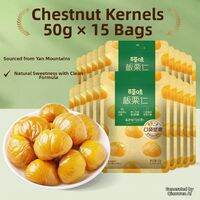
BE&CHEERY | Organic Ready-to-eat Chestnut 50g
₱657.98₱1,466.42
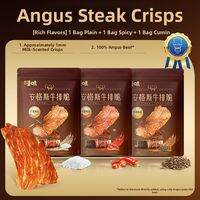
BE&CHEERY | Beef Chips Hot and Spicy Flavor
₱805.03₱4,951.94
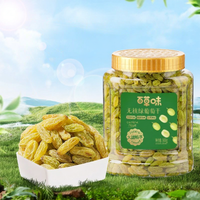
BE&CHEERY | Seedless Green Raisin Dried Fruits
₱433.27₱1,546.70
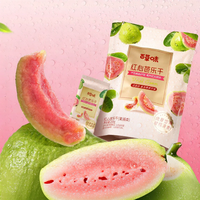
BE&CHEERY | Red Guava Fruit Dried 258g
₱999.00₱1,720.00
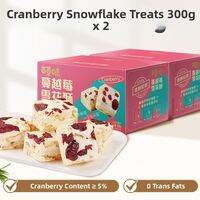
BE&CHEERY | Strawberry & Cranberry Flavored Nougat Traditional Snack
₱650.89₱1,577.99
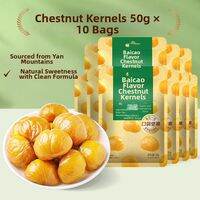
BE&CHEERY | Ready-to-eat Chestnut Kernels 50gx10 Packs
₱803.91₱1,744.88
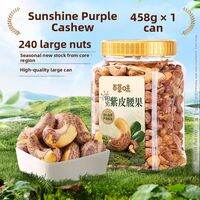
BE&CHEERY | Salted Cashew Nuts 500g
₱651.04₱1,767.22
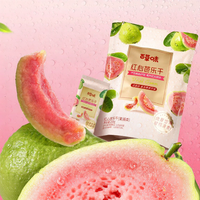
BE&CHEERY | Individually Packed Red Core Guava Dried Fruit 258g
₱1,054.26₱1,819.68
About BE&CHEERY
BE&CHEERY (Chinese: 百草味, Bǎicǎowèi) is a prominent Chinese snack food brand established in Hangzhou, Zhejiang, in 2003. Operated by Hangzhou Haomusi Food Co., Ltd., the company specializes in nuts, dried fruits, preserved fruits, meat snacks, pastries, and confectionery. Since June 2020, BE&CHEERY has been a subsidiary of PepsiCo, which acquired the business for approximately US$700 million. 1
The brand is widely recognized for its strategic pivot from a traditional brick-and-mortar retailer to one of China’s leading e-commerce-driven snack companies. It currently serves over 200 million users and employs an omnichannel retail strategy that integrates online platforms with physical stores and new retail formats. 2
Basic Information
| Category | Information |
|---|---|
| Brand Name | BE&CHEERY |
| Chinese Name | 百草味 |
| Chinese Pronunciation | Bǎicǎowèi |
| Industry | Food & Beverage / Packaged Snacks |
| Founded | 2003 |
| Place of Origin | Hangzhou, Zhejiang, China |
| Operating Company | Hangzhou Haomusi Food Co., Ltd. |
| Current Owner | PepsiCo |
| Acquisition Date | June 1, 2020 |
| Acquisition Value | Approximately US$700 million |
| Primary Markets | China; International/Export |
| Sales Channels | E-commerce, supermarkets, new retail, livestream commerce |
| Core Categories | Nuts, dried fruits, preserved fruits, meat snacks, seafood snacks, tofu/vegetable snacks, pastries, cookies, puffed foods |
| Official Mission | “Enable more people to enjoy safe and healthy food.” |
The company maintains its headquarters and contact address in Qiantang District, Hangzhou, Zhejiang Province. 3
Brand Identity and Naming
The Chinese name 百草味 translates literally to “the flavors of a hundred herbs and plants.” This references the traditional legend of Shennong tasting hundreds of herbs, symbolizing the brand’s original commitment to offering a diverse variety of foods. 2
BE&CHEERY serves as the international English identity. In marketing campaigns, particularly in 2019, the brand has also utilized the positioning “A Taste of China” to bridge traditional flavors with modern consumer identities. 4
Key distinctions in the brand’s corporate structure include:
- 百草味: The domestic Chinese brand name.
- BE&CHEERY: The international and English-language brand identity.
- Hangzhou Haomusi Food Co., Ltd.: The legal operating entity.
- PepsiCo: The parent company.
History
Founding and Physical Retail (2003–2009)
BE&CHEERY was founded in 2003 with the opening of its first physical store in Hangzhou. Initially operating under a conventional retail model, the company sold a wide assortment of affordable snacks directly to consumers. At its peak, this physical network comprised over 160 stores. This era established the brand’s foundational characteristic: a broad product assortment rather than reliance on a single category.
E-Commerce Transformation (2010–2013)
In 2010, BE&CHEERY entered Taobao Mall (now Tmall), marking a decisive shift toward online retail and direct-to-consumer commerce. This move aligned with the rapid transformation of Chinese consumer shopping habits. By 2013, the brand had become a significant online retailer, reporting RMB 21.4 million in single-day sales during the Double 11 shopping festival. 3
Marketing IP and Expansion (2014–2016)
In 2014, the company launched the “517 Foodie Festival”, creating a proprietary marketing event dedicated to food consumption. Concurrently, BE&CHEERY began constructing a comprehensive headquarters complex in Linjiang featuring R&D, production, and logistics facilities. 3
By the mid-2010s, the brand intensified its entertainment marketing efforts. In 2015, actor Yang Yang was signed as a spokesperson, and the brand sponsored the Oxygen Music Festival. In 2016, BE&CHEERY introduced branded concepts such as “Hug Fruit” and “Renren Fruit,” while increasing product placements in film and television productions to enhance social media visibility and brand personality.
Growth and Product Innovation (2017–2019)
BE&CHEERY reported RMB 4 billion in sales in 2017 and completed its Linjiang headquarters base. That same year, it established a Food Research Institute jointly with Jiangnan University to systematize product development. 3
A pivotal product launch occurred in 2018 with the introduction of Daily Nuts. This product combined nuts and dried fruits in individual portions using patented freshness-preservation packaging. It generated over RMB 100 million in sales within three months and reached approximately RMB 400 million for the year, reinforcing the brand’s association with healthier snacking. 4
In 2019, BE&CHEERY adopted an omnichannel strategy by opening “Snack Selection” stores and appointing Jackson Yee (易烊千玺) as brand ambassador. The brand also partnered with Tmall for the “Chinese Flavor Snack Show” campaign under the tagline “BE&CHEERY — A Taste of China.” 4
Acquisition by PepsiCo
On February 23, 2020, PepsiCo announced an agreement to acquire Hangzhou Haomusi Food Co., Ltd. from Haoxiangni Health Food Co., Ltd. for approximately US$705 million. 8 The transaction was finalized on June 1, 2020, with PepsiCo acquiring all outstanding shares for a total consideration of roughly US$700 million. 91011
Strategic Rationale
The acquisition was driven by complementary strengths. BE&CHEERY provided deep local consumer insights, robust e-commerce capabilities, direct-to-consumer infrastructure, and expertise in nuts and dried fruits. Conversely, PepsiCo contributed massive manufacturing scale, established offline distribution networks, and international resources. 7
PepsiCo initially structured BE&CHEERY as an independent business unit to preserve its existing management and brand equity. 5 While BE&CHEERY is owned by PepsiCo, it retains its distinct identity as a Chinese snack brand rather than being fully absorbed into PepsiCo’s global portfolio branding. 7
Product Portfolio
BE&CHEERY operates as a multi-category snack company. Its official product classification includes: 6
Nuts & Seeds
- Mixed nuts
- Almonds
- Cashews
- Pistachios
- Peanuts
- Seeds
- Nut gift boxes
Dried and Preserved Fruits
- Dried mango
- Raisins
- Cranberries
- Dried strawberries
- Fruit strips
- Preserved fruit
Meat Snacks
- Dried meat
- Meat jerky
- Meat products
- Savory protein snacks
Seafood Snacks
- Dried seafood
- Fish-based snacks
- Other seafood products
Dried Tofu and Vegetable Snacks
- Dried tofu
- Vegetable snacks
- Savory plant-based products
Bakery and Confectionery
- Pastries
- Cakes
- Cookies
- Puffed snacks
- Packaged baked goods
The brand emphasizes sourcing ingredients from quality producing regions and maintaining rigorous product innovation standards. 12
Business Model and Operations
BE&CHEERY is distinguished by its digital-first origins. Unlike traditional manufacturers reliant on distributors, the company developed through a cycle of product development → sourcing/manufacturing → digital marketing → e-commerce → direct consumer data → rapid product iteration. 13
Currently, the company employs an omnichannel model integrating:
* E-commerce platforms
* Supermarkets
* Physical retail stores
* New retail formats
* Livestream commerce
* Direct-to-consumer channels
This strategy leverages BE&CHEERY’s digital strengths alongside PepsiCo’s offline distribution capabilities. As of 2024, the company launched an end-to-end digital system to digitize production, sales, and logistics, and announced investments in self-owned manufacturing facilities to gain greater supply chain control. 14
Scale and Market Position
BE&CHEERY reports reaching over 200 million users and offers more than 2,000 snack SKUs. 15 In the competitive landscape of Chinese packaged snacks, it is frequently compared to peers such as Three Squirrels (三只松鼠), Bestore (良品铺子), Laiyifen (来伊份), and Yankershop (盐津铺子). 7
While the brand maintains an international-facing website and export contacts, it is primarily understood as a Chinese consumer snack brand supported by PepsiCo’s global infrastructure rather than a standalone multinational entity. 3
Major Milestones
| Year | Milestone |
|---|---|
| 2003 | First physical store established in Hangzhou |
| 2010 | Transition to e-commerce; entered Taobao Mall |
| 2013 | Double 11 single-day sales reached RMB 21.4 million |
| 2014 | Launched 517 Foodie Festival |
| 2015 | Signed Yang Yang as spokesperson; expanded entertainment marketing |
| 2016 | Developed major branded products; intensified entertainment partnerships |
| 2017 | Sales reached RMB 4 billion; Food Research Institute established with Jiangnan University |
| 2018 | Daily Nuts launched; achieved major commercial success |
| 2019 | Returned to offline retail; launched “Snack Selection” stores and “A Taste of China” campaign |
| 2020 | PepsiCo agreed to acquire BE&CHEERY |
| June 1, 2020 | PepsiCo completed acquisition for approx. US$700 million |
| 2021 | Integration into PepsiCo’s offline distribution began |
| 2023 | New e-commerce/livestream business reportedly exceeded RMB 1 billion GMV |
| 2024 | End-to-end digital system launched; investment in self-owned manufacturing announced |
| 2025 | Continued launches in mixed nuts, dried fruit, and health-oriented categories |
Current Status
As of 2026, BE&CHEERY remains a PepsiCo-owned Chinese snack business. It continues to emphasize nuts, dried fruits, health-oriented snacking, and digital commerce. 7 Recent developments include new product launches in mixed nuts and dried fruits, as well as recognition for specific nut products. 12
Notably, PepsiCo’s financial disclosures have occasionally excluded the BE&CHEERY portfolio from certain global convenient-food metrics, reflecting its distinct operational characteristics within the group. 8
References
- Hangzhou HaoMuSi Food Co,Ltd.-Casual snacks
- 百草味
- Exclusive | Dialogue with PepsiCo’s Greater China CEO: the story behind the US $705 million acquisition of Be & Cheery! | 小食代
- Why are consumers increasingly favoring healthy snacks? Is it possible to have both “delicious” and “healthy”?-Hangzhou HaoMuSi Food Co,Ltd.
- 百草味Be&Cheery-妙百科-全球商业展示平台
- 百草味Be&Cheery品牌介绍,百草味Be&Cheery品牌联系方式,百草味Be&Cheery是行业十大品牌-品牌网
- Be & Cheery acquisition to heat up competition in snack market
- PepsiCo Buys Chinese Snack Company Be & Cheery for $700 Million | The Motley Fool
- PepsiCo enters deal to acquire online snacks company in China | 2020-02-24 | Baking Business
- Pepsi Snaps Up Chinese Snack-Maker | CFO.com
- PepsiCo : Targets Online Snacks Growth in China with Definitive Agreement to Acquire Be & Cheery | MarketScreener
- 百草味Be&Cheery品牌坚果礼盒、草莓干怎么样-百草味Be&Cheery品牌介绍、联系方式-品牌网
- Be&Cheery是什么牌子_百草味品牌是什么档次?-百强排行网
- 公司介绍_百草味Be&Cheery – 杭州郝姆斯食品有限公司 – 一线品牌网
- Be&Cheery 百草味的主页 | 广告门