Shop on Lazada
Coco Pandan products
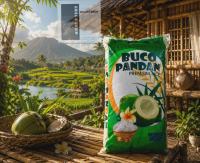
Buko Pandan Premium Rice 5kg-25kg - White Rice - Natural Ingredients
₱1,699.00₱2,199.00
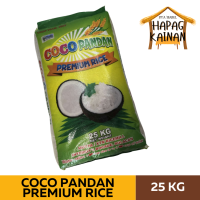
COCO PANDAN PREMIUM RICE - 25KG
₱1,500.00
Buy on Lazada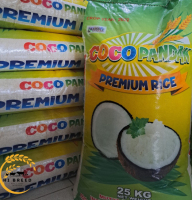
1KG Coco Pandan Premium Rice / Bigas
₱90.00₱95.00
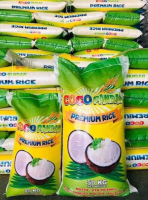
5KG COCO PANDAN RICE PREMIUM RICE (REPACK) | (MAPUTI MALAMBOT MASARAP)
₱450.00₱475.00
1KG Coco Pandan Premium Rice / Bigas
₱90.00₱95.00
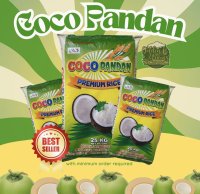
5KG Coco Pandan Premium Rice (Repacked) | Malambot Maputi Mabango | Premium Rice
₱450.00₱475.00
Coco Pandan Rice | 1KG
₱90.00₱95.00
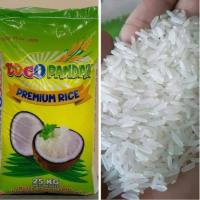
Premium Coco Pandan Vietnam Rice 1kg (repacked) or 25kg/Bag Long Grain Bigas Grocery Rice
₱90.00₱100.00
About Coco Pandan
Coco Pandan is a product name used in the Philippine rice market for a premium, fragrant white rice variety commonly identified by retailers as being imported from Vietnam. It is marketed primarily for its aromatic qualities, soft texture, and long grains, positioning it between standard table rice and high-end specialty varieties.12 The product is widely available through traditional rice retailers, palengke stalls, and e-commerce platforms in packaging sizes ranging from 1 kg to 25 kg.12
Unlike major fast-moving consumer goods brands with established corporate histories, Coco Pandan does not appear to be tied to a single nationally documented manufacturer or parent company. Multiple distributors and repackers utilize the name, suggesting it functions more as a commercial product descriptor than a proprietary trademark owned by one entity.1 Consequently, verified information regarding a specific founding date, founder, or corporate headquarters is unavailable in public sources.
Overview
| Category | Information |
|---|---|
| Name | Coco Pandan |
| Product category | Rice / premium fragrant rice |
| Market | Philippines |
| Commonly stated origin | Vietnam |
| Type | Imported white rice |
| Characteristics | Fragrant, white, soft, whole-grain, slightly sticky |
| Common packaging | 1 kg, 2 kg, 3–5 kg, 10 kg, 18 kg and 25 kg |
| Primary use | Everyday steamed rice and Filipino meals |
| Positioning | Premium / aromatic rice |
| Availability | Rice retailers, palengke-style stores and Philippine e-commerce platforms |
Retail listings consistently associate Coco Pandan with Vietnam, describing it as an aromatic, soft, and slightly sticky long-grain rice when cooked.12
History and background
Publicly documented information regarding the founding, ownership, or original launch of Coco Pandan as a unified brand is limited. In contrast to major Philippine rice corporations with published histories and official websites, this product appears across the market through various independent rice retailers, distributors, and repackers.
Research into the brand indicates that different online listings may associate the Coco Pandan name with distinct sellers or secondary brands. For instance, marketplace entries often list Coco Pandan rice under different merchant names, implying the designation is not exclusively tied to a single national manufacturer.1 As a result, a definitive founding date, founder, or parent company cannot be reliably established from available public sources.
Product characteristics
Coco Pandan is generally promoted as a fragrant white rice. Retail descriptions emphasize several key attributes:
- Aromatic: Frequently described as having a pandan-like or naturally fragrant aroma.
- Soft texture: Sellers commonly highlight its softness after cooking.
- Slightly sticky: Characterized as having a cohesive texture rather than being dry and loose.
- Appearance: Noted for white, polished grains.
- Grain integrity: Often marketed as whole grain or having good grain appearance.
- Long-grain format: Identified in multiple listings as long-grain Vietnamese rice.1
These characteristics position the rice as suitable for typical Filipino meals where steamed rice accompanies dishes such as grilled meat, seafood, chicken, adobo, and other ulam. Retailers promote Coco Pandan as an everyday table rice rather than a specialty item reserved for specific cuisines.2
Origin and naming
Source
The most consistent information provided by Philippine retailers is that Coco Pandan rice is imported from Vietnam. Product listings explicitly identify it as “Vietnam rice” or a premium import, describing it as long-grain, white, and fragrant.12 However, “Coco Pandan” should not be interpreted as the name of a specific Vietnamese botanical cultivar; within the Philippine retail environment, it functions primarily as a commercial product name applied to rice from various supply channels.
Brand associations
The name Coco Pandan evokes familiar Southeast Asian and Filipino flavor imagery. “Coco” refers to coconut, while “pandan” references the aromatic tropical plant widely used in local cooking and desserts. This combination mirrors the popular buko pandan flavor profile, communicating fragrance and cultural familiarity to Filipino consumers even though the product is sold as plain rice.
Some sellers describe the rice as having a coconut-and-pandan flavor or being infused with pandan. Such claims are inconsistent across retailers and should be treated as marketing descriptions rather than definitive evidence of the production process or varietal genetics.2
Packaging and sizes
Coco Pandan is sold in numerous package sizes, reflecting its dual positioning as a household staple and a bulk commodity. Current Philippine listings include:
- 1 kg
- 2 kg
- 3 kg
- 5 kg
- 8 kg
- 10 kg
- 18 kg
- 25 kg
The 25-kilogram format is particularly common among rice retailers and online sellers.1 Packaging is not standardized across the market; some listings feature branded bags, while others sell Coco Pandan as repacked rice in plain sacks or retailer-specific packaging. This variation reinforces the distinction between the product name and the identity of individual distributors.1
Market presence in the Philippines
Coco Pandan has established visibility in the Philippine rice market through traditional rice stores, online palengke retailers, and e-commerce platforms. Marketplace results show numerous listings for imported, premium, and repacked variants, with prices varying substantially based on size, seller, and location.1
The product is also listed by specialized rice delivery services. For example, BigasPh markets Coco Pandan as a premium fragrant rice, emphasizing its aroma, soft texture, and suitability for Filipino meals.3 Due to the presence of multiple sellers and repacked versions, consumer experience regarding grain quality, milling, and consistency may differ between products sold under the same name.
Consumer positioning
Coco Pandan occupies a market segment between ordinary table rice and explicitly premium specialty rice. Its principal selling proposition is aroma; rather than competing solely on price, sellers emphasize fragrance, softness, grain appearance, and eating quality.2
This positioning aligns with broader Filipino preferences for fragrant rice varieties such as Jasmine and Dinorado. Consumer discussions frequently mention Coco Pandan alongside other premium rice categories, with some specifically citing imported Coco Pandan as a preferred variety.
Cooking and culinary use
Coco Pandan is primarily consumed as ordinary steamed rice. Its aromatic profile makes it suitable for meals where the rice contributes to the overall sensory experience. Common pairings include:
- Adobo
- Fried chicken
- Grilled pork or chicken
- Seafood
- Tinola
- Sinigang
- Fried dishes
- Vegetables and stir-fries
- Breakfast dishes
- Fried rice
Retailers promote it as appropriate for general everyday cooking rather than limiting it to desserts or special occasion dishes.3
Relationship to “buko pandan”
The name Coco Pandan can cause confusion because it is also used extensively as a flavor descriptor in Philippine food and beverage products. For example, Fruitas sells a beverage called Coco Pandan combining coconut and pandan flavors, and Fruits in Ice Cream markets a dairy-free ice cream of the same name. These products are not necessarily related to Coco Pandan rice as a brand; the phrase is widely used throughout the industry to denote a specific flavor profile.
Distribution and retail
Distribution occurs through a fragmented retail ecosystem rather than a single national chain. Availability includes:
- Local rice stores
- Traditional palengke retailers
- Rice delivery services
- Online grocery stores
- Shopee
- TikTok Shop
- Other Philippine e-commerce sellers
Current marketplace searches indicate numerous Coco Pandan products from different sellers, including 5 kg and 25 kg formats.1
Pricing
Pricing is highly variable as Coco Pandan is sold by diverse retailers in varying package sizes. Listings range from small household quantities to 25 kg sacks, with costs fluctuating according to seller and market conditions. For example, one retailer lists a 25 kg product at ₱1,000, while other online listings show considerably different prices.2
Because rice prices fluctuate and many sellers repack or redistribute imported rice, a single nationwide official retail price for Coco Pandan cannot be established.
Brand status and ownership
Public information regarding the corporate ownership of Coco Pandan is limited. While evidence confirms multiple products are sold under this name, available sources do not establish a single definitive parent corporation, founder, headquarters, or year of establishment. Without additional primary documentation, it is inaccurate to attribute the brand’s founding to a specific individual or company. The most accurate description is that Coco Pandan is a commercially marketed rice name found in the Philippine market, particularly associated with imported fragrant rice from Vietnam.
See also
- Fragrant rice
- Jasmine rice
- Vietnamese rice
- Buko pandan
- Philippine rice industry
- Rice production in Vietnam