Shop on Lazada
Cult products

Cult Everest 1 Mountain Bike 29 (Microshift Series)
₱11,500.00
Buy on Lazada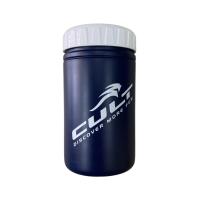
Cult Tool Can/Holder (Black/Blue/Green)
₱120.00
Buy on Lazada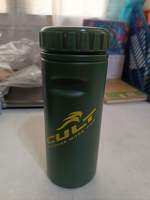
CULT Bike Tool Can Holder
₱120.00₱125.00
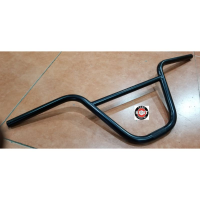
Cult Crew 2PC Heat Treated Cromoly Bmx Chromoly Handle Bar 9 9.35 9.65 rise
₱1,595.00
Buy on Lazada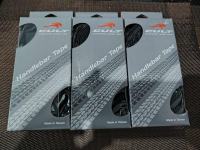
Cult Bar Tape Carbon Look/Black Road Bike New with Box
₱249.00₱299.00

Cult Expandable Tool Can / Holder
₱185.00
Buy on Lazada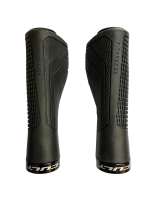
Cult Bicycle Grip (Lock On / Slip On)
₱450.00
Buy on Lazada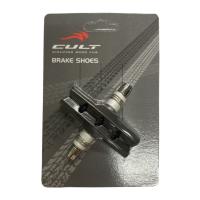
Cult Brake Shoe (MTB or Road)
₱150.00
Buy on LazadaAbout Cult
Cult is an independent Filipino streetwear label established in Manila in 2013 by graphic designer Carlo A. San Jose.1 The brand was conceived as a designer-led platform for bold, original apparel that communicates directly with its audience and contributes to local street culture.1 Operating under the mantra “CULT sees all,” Cult emerged from a creative period in Manila where graphic design, skateboarding, hip-hop, sneaker culture, and independent fashion increasingly intersected.1 Rather than functioning as a conventional retailer, the label was built around San Jose’s direct oversight of creative direction, production, marketing, and distribution.1
Overview
| Category | Information |
|---|---|
| Brand name | Cult |
| Industry | Fashion / Streetwear |
| Founded | 2013 |
| Founder | Carlo A. San Jose |
| Origin | Manila, Philippines |
| Type | Independent streetwear label |
| Design focus | Graphic apparel, streetwear, visual identity |
| Target audience | Streetwear, skate, hip-hop and youth-culture communities |
| Known slogan | “CULT sees all” |
| Early retail presence | Parafreaq, V-Mall Greenhills |
| Official historical social handle | @cultseesall |
The foundational details of the brand are primarily documented in a 2013 interview with San Jose published by When In Manila shortly after the label’s launch.1
History
Foundation
Cult was founded in 2013 by Carlo A. San Jose, a Filipino graphic designer with prior experience in the local footwear, skate, lifestyle, apparel, and web-design industries.1 Before establishing Cult, San Jose worked with or designed for Tribu, Kurv, Team Manila, and Create.ph.1 His background distinguished the brand’s formation; rather than approaching fashion through traditional design training, San Jose viewed clothing through the lens of graphic design and street culture.1 He cited interests in graphic design, hip-hop, skate graphics, apparel, sneaker culture, and iconography as key influences that shaped Cult’s visual and cultural identity.1
Independent operations
From its inception, Cult was deliberately structured as a one-person operation to ensure San Jose retained full creative control.1 This independence meant the founder managed every aspect of the business, including garment design, raw material sourcing, production, marketing, supplier relations, retail placement, model casting, and photoshoots.1 This hands-on approach defined the label’s early business model and reinforced its status as an independent entity within the Philippine fashion landscape.1
Brand philosophy
Cult’s philosophy centered on the concept of clothing as visual communication.1 The objective was to create bold designs that engaged the audience directly, aiming to leave a lasting mark on both the apparel industry and street culture rather than producing generic fashion items.1 The slogan “CULT sees all” underscored this emphasis on observation, visual awareness, and cultural consciousness.1
Within the context of streetwear, the name Cult evokes a dedicated community united by shared aesthetics and identity rather than religious or ideological connotations.1 This aligns with the broader marketing concept of a “cult brand,” where strong customer loyalty stems from a distinctive identity and lifestyle association.2
Design and aesthetics
Early Cult collections were defined by strong graphic design and a restrained color palette, predominantly featuring black and white original designs intended for both male and female consumers.1 The brand’s visual language drew from several overlapping subcultures:
- Streetwear: The foundation of the brand emphasized graphic identity, limited runs, cultural references, and the intrinsic link between clothing and street culture.1
- Skate culture: Skateboarding was a primary interest of the founder and a key influence on his creative approach, informed by his previous work with Kurv in the skate and lifestyle market.1
- Hip-hop: Hip-hop culture served as a direct influence on the founder and consequently on Cult’s cultural positioning.1
- Sneaker culture: As part of the broader streetwear ecosystem, sneaker culture connected the brand to the intersection of apparel, music, graphics, and youth culture.1
- Graphic design: Perhaps the most significant influence, graphic design positioned Cult as a visual brand first, using apparel as the primary medium of communication.1
Influences
San Jose identified several international streetwear pioneers as specific inspirations for Cult, including Erik Brunetti (FUCT), Nigo (BAPE), Hiroshi Fujiwara (GOODENOUGH), Shinsuke Takizawa (NEIGHBORHOOD), and Shepard Fairey (OBEY).1 These figures were admired not only for their aesthetics but for their ability to maintain distinct visions and expand them internationally.1 Crucially, Cult was not presented as a derivative copy of Western or Japanese streetwear; rather, the ambition was to adapt the independent streetwear model specifically within the Filipino context.1
Product philosophy
Originality was a defining principle of the label.1 San Jose described Cult’s products as original creations made specifically for the brand, emphasizing independent production and high standards for both design and manufacturing.1 A personal benchmark for product release was whether the founder himself would wear the item.1 Consequently, the product philosophy can be summarized as original design combined with independent production, personal creative control, and street-culture relevance, positioning the label closer to an independent designer model than mass-market retail.1
Gender and audience
Although deeply rooted in streetwear, Cult’s early collections were designed to appeal to both male and female consumers.1 The target audience comprised individuals engaged with streetwear, skateboarding, hip-hop, sneakers, graphic design, independent fashion, and Filipino youth culture.1 Rather than seeking mass appeal, the brand intentionally focused on this specific demographic and aesthetic, with San Jose explicitly noting the importance of remaining authentic to this core audience.1
Role in Manila’s streetwear scene
Cult emerged during a pivotal period for independent Filipino streetwear, fitting naturally into Manila’s existing ecosystem of graphic designers, musicians, skateboarders, artists, and independent labels.1 Its significance lay in being locally conceived and independently operated, distinguishing it from distributors of international brands.1 The label reflected a shift in Philippine fashion toward building identity through design, community, and cultural relevance rather than relying solely on traditional fashion industry structures.1
Retail and distribution
In its early period, Cult was available at Parafreaq in V-Mall Greenhills, Metro Manila.1 Digital engagement was directed through the Facebook page /cultseesall and Instagram account @cultseesall.1 This distribution strategy mirrored the independent streetwear model: limited designs, specialist retail placement, and community-driven promotion via social media.1 By August 2013, despite having recently launched, the brand had already amassed nearly 1,000 followers.1
Marketing and community
Early marketing prioritized community engagement over mass advertising.1 Brand identity was communicated through social media, specialist retail, graphic design, photography, collaborations, word-of-mouth, and independent creative networks.1 This approach leveraged the importance of perceived authenticity in streetwear.1 Contemporary reporting indicated that followers actively anticipated new releases, demonstrating how an independent Filipino label could generate interest through strong visual identity without corporate infrastructure.1
Collaborations
Founder: Carlo A. San Jose
Carlo A. San Jose is the founder and creative force behind Cult.1 His professional background spans footwear, skate and lifestyle products, apparel, and digital design, with experience at Tribu, Kurv, Team Manila, and Create.ph.1 The decision to establish Cult independently was driven by a desire for creative autonomy, allowing him to determine the brand’s representation, product releases, visual style, production methods, communication strategy, and future direction.1 This makes Cult representative of the designer-founder model common in independent streetwear.1
Cultural significance
Cult represents a generation of independent Filipino streetwear labels that treated clothing as graphic and cultural expression.1 Its historical importance lies less in commercial scale and more in the model it exemplified: leveraging local creative talent, independent production, street culture, strong visual identity, and community building without reliance on major conglomerates.1 This approach contributed to a broader movement in Philippine fashion where independent brands developed dedicated followings among youth and fashion audiences, a trend subsequently documented by publications such as Vogue Philippines.3
Legacy and historical documentation
The most clearly documented period of Cult’s history is its emergence in the early 2010s, particularly its 2013 launch and initial development.1 While public sources provide detailed information regarding the brand’s founding, philosophy, influences, and early retail presence, there is insufficient reliable evidence to construct a complete chronology of later operations, sales, ownership changes, or current status.1 Claims regarding later commercial success should be verified against primary documentation before being presented as established fact.
Timeline
- 2013: Cult is founded in Manila by Carlo A. San Jose as an independent streetwear label.1
- 2013: The brand launches its debut collection, characterized by original designs and a predominantly black-and-white aesthetic.1
- August 2013: When In Manila publishes a feature on Cult, interviewing founder Carlo San Jose and identifying the label as a new player in Manila streetwear.1
- 2013: Cult is retailed at Parafreaq in V-Mall Greenhills and promoted via @cultseesall.1
- Later period: Collaboration with Filipino progressive rock band WilaBaliW demonstrates the label’s connection to the local music and independent creative scene.3
Core identity
Cult was built around five central tenets:1
- See everything: Represented by the “CULT sees all” mantra.
- Make original work: Designs created specifically for the brand.
- Stay independent: Deliberate operation outside large corporate structures.
- Represent street culture: Fundamental influence from skateboarding, hip-hop, sneakers, and graphic design.
- Build a recognizable vision: Inspiration drawn from pioneering streetwear brands that developed distinctive identities rather than following trends.