Shop on Lazada
Euro products
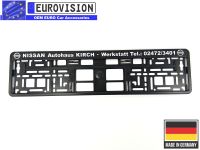
Euro Plateholder - Original from Germany - 1 Piece Brand-new
₱900.00
Buy on Lazada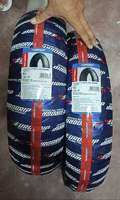
EUROGRIP BEE CONNECT TUBELESS TIRE SIZE 10/12/13 /14/17
₱4,180.00
Buy on Lazada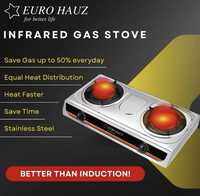
EuroHauz™ Infrared Gas Stove with FREEBIES SET KNIFE
₱2,549.00₱2,849.00
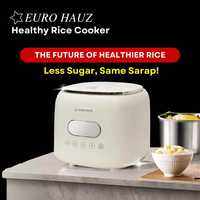
EuroHauz Healthy Rice Cooker + free set knife
₱2,799.00₱3,500.00
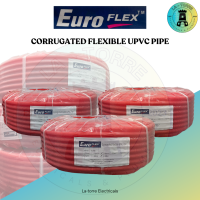
Euroflex Flexible Electrical Pipe
₱1,040.00
Buy on Lazada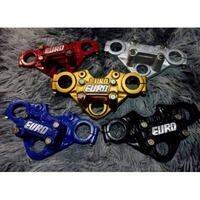
Euro daang hari lowering crown 150cc and 175cc with 4 bolts red silver gold blue black motorcycle accessory
₱299.00
Buy on Lazada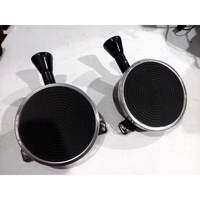
Eurohauz Spare Parts Replacement for Gas Stove Universal
₱998.00
Buy on Lazada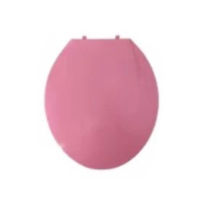
EURO TOILET SEAT COVER (PLASTIC)STANDARD SIZE ONLY(SET)
₱220.00
Buy on LazadaAbout Euro
Euro is a Thai food and confectionery brand owned and operated by European Food Public Company Limited. Established in Thailand in 1984, the brand is primarily associated with packaged bakery products, cakes, wafers, biscuits, chocolate products, jellies, candies, cereals, and snacks. It is one of the better-known Thai brands in the country’s packaged confectionery and bakery market.1
The brand’s best-known products include Euro Cake, Euro Choco Pie, Peking Crunch, and various wafer, cake, biscuit, jelly, and snack items. Euro’s brand positioning emphasizes accessible packaged foods intended to bring enjoyment to consumers, reflected in its long-running slogan “EURO… Quality of Smile.”2
Company overview
| Attribute | Information |
|---|---|
| Brand | Euro |
| Owner / operator | European Food Public Company Limited |
| Origin | Thailand |
| Founded | 13 November 1984 |
| Industry | Food & beverage / confectionery / bakery |
| Main categories | Cakes, wafers, biscuits, chocolate, jelly, candy, snacks, cereals |
| Best-known product | Euro Cake |
| Brand positioning | Confectionery and bakery products |
| Slogan | “EURO… Quality of Smile” |
| Main market | Thailand, with international/export markets |
| Manufacturing | Thailand |
The company began with authorized capital of 5 million baht in 1984. According to the company’s own history, it initially operated from Samut Prakan and subsequently expanded its production capacity as demand increased.1
History
Foundation
European Food Company Limited was established on 13 November 1984. The business was founded with the objective of producing packaged food and confectionery products for Thai consumers. The company’s development was closely connected with the growth of Thailand’s modern retail and packaged-snack market during the 1980s and 1990s.1
The company initially focused on a relatively small number of products. Over time, it expanded its product portfolio and developed Euro into a broader confectionery and bakery brand.
One of its early successful products was Peking Wafer, while Pipo Jelly also became an important product associated with the company. Euro Cake subsequently became one of the brand’s most recognizable products.1
Expansion in the 1990s
As the business expanded, European Food invested heavily in manufacturing capacity. In 1995, the company expanded production to a large manufacturing facility in the industrial estate area of Prachinburi Province. The facility was designed to use modern production machinery and technology and received investment promotion from Thailand’s Board of Investment.2
The company also became a public company on 22 December 1995, adopting the name European Food Public Company Limited.3
Expansion of the product portfolio
Euro subsequently developed from a company centered on a limited number of bakery and wafer products into a diversified confectionery business. Its portfolio has included:
- Custard cakes
- Layer cakes
- Butter cakes
- Choco Pie
- Wafer biscuits
- Cream-filled biscuit rolls
- Cookies and crackers
- Bakery balls
- Chocolate products
- Snack bars
- Breakfast cereals
- Jelly and gummy products
- Candy
- Marshmallows
- Chewing gum
- Other snack products4
This diversification allowed Euro to compete across several segments of Thailand’s packaged-snack market rather than relying on a single product category.
Products
Euro Cake
Euro Cake is arguably the product most strongly associated with the Euro brand. It is a soft packaged cake with a cream filling and has been produced in several flavors, including custard, pandan, and other varieties.
The product is also sold internationally. For example, Thailand’s Halal Information Center currently lists Euro’s puff cake with sweet custard cream and other filled-cake varieties, while South Korea’s food-import database records imported Euro pandan cake manufactured in Thailand.
Euro Choco Pie
Euro Choco Pie is another prominent product in the company’s bakery portfolio. It consists of a cake-based product with a cream center and chocolate coating.
Peking Crunch
Peking Crunch is one of the company’s established wafer products. The brand’s history identifies Peking wafers among the products that helped establish European Food’s reputation in the Thai market.1
Other products
Beyond the flagship Euro products, European Food’s broader portfolio has included products sold under Euro as well as other brand names. Its product categories include wafers, cookies, crackers, jelly, candy, cereals, snacks, chocolate, and other bakery products.
Manufacturing and quality
Euro’s manufacturing operations are centered in Thailand. Its major production facility in Prachinburi occupies approximately 700,000 square metres, according to company and trade materials, and represents a substantial investment in food-manufacturing infrastructure.4
The company states that its production facilities have been HACCP and GMP certified since 2009. These standards are particularly important for a mass-market food manufacturer because they address food-safety management and good manufacturing practices.2
The company also emphasizes research and development, production technology, and continuous product development as part of its competitive strategy.1
Distribution and international presence
Euro has historically had a broad distribution network in Thailand. A case study published by Nanyang Technological University reported that European Food had a distribution network covering more than 50,000 retail outlets and 10,000 convenience stores in Thailand at the time of the study.3
The brand has also pursued export markets. Company materials describe Euro products as being produced both for Thai consumers and international markets, while the company’s history records expansion into CLMV markets—Cambodia, Laos, Myanmar, and Vietnam—from 2012.5
Euro products can consequently be found outside Thailand through international food distributors and Asian grocery channels.2
Brand identity
Euro’s identity is built around the idea of everyday enjoyment through confectionery and bakery products. The company’s stated mission is to create happiness and smiles for consumers through its food products, while its brand communication uses the phrase “EURO… Quality of Smile.”1
Rather than positioning itself exclusively as a premium or specialist confectionery brand, Euro has historically competed through a combination of:
- Familiar products
- Affordable packaged portions
- Wide retail distribution
- Frequent product development
- Local manufacturing
- Multiple product categories
This positioning has helped make the brand recognizable across generations of Thai consumers.
Corporate development
European Food’s development illustrates the transition of a small Thai confectionery manufacturer into a large-scale packaged-food producer. A 2021 entrepreneurship case study by NTU described the company’s growth from one product in its early domestic market to more than 30 products internationally, with operations spanning multiple countries.3
The same case study notes that the company became Manchester United’s Official Confectionery Partner in 2014, representing one of the brand’s international marketing initiatives.3
Market significance
Euro is significant within Thailand’s food industry because it represents a home-grown Thai confectionery brand that developed a large national distribution network and expanded internationally. Its products occupy a variety of everyday snack occasions, from breakfast and school snacks to desserts and convenience-store purchases.
Its strongest brand associations remain soft cakes, cream-filled bakery products, and wafers, particularly Euro Cake. The breadth of its product portfolio, however, means that Euro functions as more than a single-product brand.
Brand today
As of 2026, Euro remains an active Thai food brand under European Food Public Company Limited. Thailand’s Department of International Trade Promotion continues to list European Food as an exporter under the Euro brand, with products including candy, custard cake, and wafers.6
Current Thai food-certification records also show active Euro products, including filled cakes with custard and banana cream, indicating that the brand continues to develop and sell multiple product variants.
Note on naming
“Euro” is a highly ambiguous brand name internationally. There are also unrelated brands and companies called Euro, including European Food’s Euro brand, Polish electronics retailer RTV Euro AGD, Korean coffee-machine manufacturer Euro, and others. This profile specifically covers the Thai Euro food brand.7
References
- Euro Snack
- EURO – Smile of Quality
- Euro Food: Sustainable Growth Driven by Entrepreneurial Leadership | NTU Entrepreneurship Academy | NTU Singapore
- European Food Public Co., Ltd. – Company Profile
- EUROFOOD 2808_lastest
- Thailand Trade Fair | Thailand Exhibition Calendar 2026 – Bangkok Show 2026 – Thai Trade Fair 2026 (EUROPEAN FOOD PUBLIC COMPANY LIMITED)
- RTV Euro AGD