Shop on Lazada
Jufran products
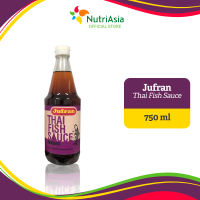
Jufran Thai Fish Sauce 750 ml
₱129.00
Buy on Lazada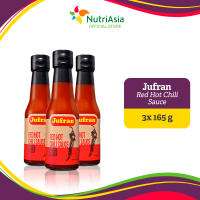
Jufran Red Hot Chili Sauce 165 g Bundle of 3
₱171.00
Buy on Lazada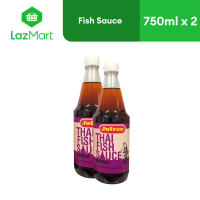
Jufran Thai Fish Sauce 750ml - Pack of 2
₱237.00₱245.00
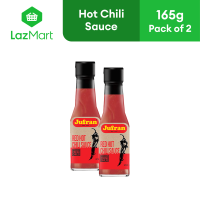
Jufran Red Hot Chili Sauce 165g - Pack of 2
₱90.00₱93.00
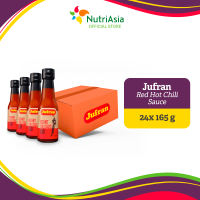
Jufran Red Hot Chili Sauce 165 g Bundle of 24
₱1,368.00
Buy on Lazada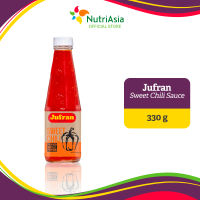
Jufran Sweet Chili Sauce 330g
₱67.00
Buy on Lazada
Jufran Thai Fish Sauce 750 ml Bundle of 4
₱516.00
Buy on Lazada
Jufran Sriracha Hot Sauce 515g
₱193.00₱199.00
About Jufran
Jufran is a Filipino food brand best known for its banana sauce (banana ketchup) and other table sauces. It is currently part of the brand portfolio of NutriAsia, one of the Philippines’ major manufacturers of sauces and condiments. NutriAsia lists Jufran alongside brands such as UFC, Datu Puti, Silver Swan, Mang Tomas, PAPA, and Golden Fiesta.1
Overview
| Category | Information |
|---|---|
| Brand | Jufran |
| Country of origin | Philippines |
| Industry | Food & beverages |
| Main category | Condiments and sauces |
| Best known for | Banana sauce / banana ketchup |
| Current owner | NutriAsia, Inc. |
| Signature flavor | Filipino sweet-spicy |
| Major market association | Filipino cuisine |
| Notable products | Banana Sauce, Sweet Chili Sauce, Hot Sauce, Sriracha sauces |
| Related brands | UFC, PAPA, Mafran and other NutriAsia brands |
NutriAsia’s current export information specifically identifies Jufran Banana Sauce as a blend of bananas and spices with a distinct Filipino sweet-spicy flavor, available in Regular and Hot & Spicy variants.
History
Origins
Jufran’s history is closely connected to the development of the Filipino banana-ketchup industry.
Banana ketchup itself emerged as a distinctly Filipino condiment during the 20th century. The product is generally associated with Filipino food scientist Maria Y. Orosa, who developed banana-based ketchup as a local alternative to tomato ketchup. Bananas were abundant in the Philippines, while imported tomatoes and tomato ketchup could be relatively expensive or difficult to obtain, particularly during wartime.1
Another important figure was Magdalo V. Francisco Sr., who developed and commercially produced banana ketchup under the Mafran brand. Francisco later became involved in the development of another major Philippine food business before establishing his own company and launching Jufran.2
Creation of Jufran
After leaving Universal Food Corporation, Francisco established Jufran Food Industries and introduced Jufran Banana Catsup.
The name “Jufran” is traditionally explained as being derived from the name of Francisco’s son and namesake, Magdalo “Jun” Francisco Jr.2
This gives Jufran an interesting place in Philippine food history: its origins are connected to the same entrepreneurial and technological development that produced several of the country’s iconic banana-ketchup brands.
Acquisition and NutriAsia
A major turning point came in 1991, when the company that would eventually become NutriAsia acquired Jufran and Mafran. At the time, the company began as Enriton Natural Foods, Inc. and subsequently became involved in a joint venture with Acres & Acres. The joint venture was eventually named Southeast Asia Food, Inc. (SAFI).1
NutriAsia later expanded its portfolio through acquisitions, including UFC. Today, Jufran remains one of the company’s established consumer brands.2
In other words, the modern Jufran brand is not an independent company in the way it originally was; it is now a brand within NutriAsia’s larger food portfolio.
What is Jufran Banana Sauce?
The product most strongly associated with Jufran is its banana sauce, commonly referred to as banana ketchup.
Despite the word “ketchup,” banana ketchup is fundamentally different from conventional tomato ketchup. It is a Filipino condiment based principally on bananas, combined with ingredients such as sugar, vinegar and spices. It is often colored red so that it resembles conventional tomato ketchup.2
NutriAsia describes Jufran Banana Sauce as a blend of fresh bananas and spices, producing a distinctive Filipino sweet-spicy flavor.
Flavor profile
Jufran’s characteristic profile can broadly be described as:
- Sweet
- Tangy
- Fruity
- Spiced
- Mildly savory
- With a characteristic Filipino sweet-spicy balance
This makes it quite different from Western tomato ketchup, which tends to have a stronger tomato-acid profile.
Jufran vs. ordinary tomato ketchup
One of the easiest ways to understand Jufran is to compare it with conventional ketchup.
| Feature | Jufran Banana Sauce | Traditional Tomato Ketchup |
|---|---|---|
| Primary fruit | Banana | Tomato |
| Flavor | Sweet, fruity, tangy, spiced | Tomato-forward, sweet and tangy |
| Culinary identity | Filipino | Global/Western |
| Typical color | Red | Red |
| Common uses | Dipping, cooking, marinades | Dipping, burgers, fries, cooking |
| Cultural association | Strongly Filipino | International |
The red appearance can make Jufran look like ordinary ketchup, but the banana-based flavor is the defining difference.
Products
Although banana sauce is Jufran’s best-known product, the brand has expanded beyond it.
NutriAsia’s export portfolio currently lists:
Jufran Banana Sauce
Available in:
- Regular
- Hot & Spicy
It is marketed as a versatile sauce for dipping, cooking and marinating.
Jufran Sweet Chili Sauce
Jufran also produces Sweet Chili Sauce, described by NutriAsia as a sweet-and-spicy combination made with fresh bell peppers and selected spices.
Other Jufran sauces
NutriAsia’s food-service materials also list products including:
- Jufran Hot Sauce
- Jufran Sriracha Hot Sauce
- Jufran Sriracha Tomato Ketchup
- Jufran Sweet Chili Sauce
The exact product lineup and packaging can vary by market and food-service versus retail distribution.
How Jufran is used
Jufran is particularly associated with Filipino meals where a sweet, fruity condiment complements salty, fried, grilled or savory foods.
Common applications include:
- Fried chicken
- French fries
- Hot dogs
- Burgers
- Fish
- Pork barbecue
- Grilled meats
- Eggs and omelets
- Filipino-style spaghetti
- Fried snacks
- Sandwiches
- Marinades and cooking sauces
Banana ketchup more broadly has become deeply integrated into Filipino cuisine rather than functioning merely as a substitute for tomato ketchup.1
Cultural significance
Jufran is important not simply because it sells a sauce, but because banana ketchup has become part of Filipino culinary identity.
The condiment illustrates how Filipino cuisine adapted foreign culinary influences to local circumstances. Tomato ketchup was introduced into the Philippines through American influence, but Filipino food culture eventually produced a distinctly local version using a readily available tropical crop: the banana.1
Consequently, brands such as Jufran, UFC, PAPA and Mafran helped turn banana ketchup from a practical substitute into a familiar Filipino pantry staple.
NutriAsia itself recognizes this heritage. Its Banana Catsup Museum in Laguna features the history of banana ketchup and the production of brands including UFC, PAPA, Jufran and Mafran.
Jufran and Filipino spaghetti
One particularly interesting cultural association is Filipino-style spaghetti.
Unlike the Italian tradition, Filipino spaghetti commonly has a noticeably sweet sauce. Banana ketchup has historically been one of the ingredients associated with the broader Filipino preference for sweet-savory flavors.
This is a good example of how Jufran can function as more than a dipping condiment: banana sauce can also contribute flavor and sweetness to cooked dishes.
Relationship with UFC and Mafran
Jufran belongs to a particularly interesting family of Filipino sauce brands.
Mafran
Mafran is historically connected to Magdalo Francisco Sr. and predates Jufran. The name is derived from Magdalo Francisco.2
Jufran
Jufran was subsequently established by Francisco after his departure from Universal Food Corporation. Its name is associated with his son, Magdalo “Jun” Francisco Jr.2
UFC
UFC emerged separately and became another major Filipino banana-ketchup brand. Universal Foods Corporation introduced UFC Banana Catsup in 1969, and SAFI/NutriAsia later acquired UFC.12
Today, Jufran, Mafran and UFC are all within NutriAsia’s broader brand portfolio, making their intertwined histories particularly notable.1
Ownership today
Jufran is currently part of NutriAsia, Inc., a Philippine food company headquartered in Taguig.
NutriAsia describes itself as a major manufacturer of condiments and sauces, with a portfolio that includes Jufran, UFC, Datu Puti, Silver Swan, Mang Tomas, PAPA and other brands.1
NutriAsia’s current export operations also show that Jufran products are marketed beyond the Philippines, demonstrating the brand’s role in bringing Filipino-style sauces to international consumers.
International presence
Banana ketchup has become particularly recognizable within Filipino communities overseas. Jufran’s distinctive red bottle and banana-based flavor are strongly associated with Filipino grocery stores and restaurants abroad.
Food publications have described Jufran and UFC as recognizable Filipino banana-ketchup brands, while noting the condiment’s importance to Filipino communities outside the Philippines.1
NutriAsia’s dedicated export portfolio lists Jufran Banana Sauce and other Jufran sauces, confirming that the brand is marketed internationally.
Brand identity
At its core, Jufran represents three things:
1. Filipino flavor
Its banana sauce is unmistakably connected to the Philippines’ distinctive sweet-savory culinary preferences.
2. Everyday affordability and familiarity
Like other major Filipino condiment brands, Jufran is designed as an everyday table and cooking sauce rather than a luxury or specialty product.
3. Filipino food heritage
Its history is intertwined with the development of banana ketchup itself and with several generations of Philippine food manufacturing.
This is why Jufran is more culturally significant than its relatively simple product category might suggest.
Legacy
Jufran’s legacy can be summarized as part of the transformation of banana ketchup from an improvised local alternative into a commercially successful Filipino food product.
Its story connects:
Maria Y. Orosa → banana ketchup → Magdalo Francisco → Mafran → Jufran → SAFI → NutriAsia
That history also explains why Jufran is often discussed alongside UFC and Mafran rather than simply being treated as another ketchup brand.
Today, Jufran continues to be sold as a Filipino banana-sauce brand under NutriAsia, with its original identity centered on the sweet-spicy character of banana-based ketchup.1