Shop on Lazada
Johnnie Walker products
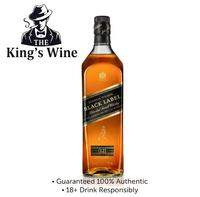
JOHNNIE WALKER Black Label Smooth Blended Scotch Whisky Aged 12.years 1Liter. NOBOX. 12 years aged. 1 liter. 40% ABV. Smooth blended. 100% authentic. Drink responsibly.
₱920.00₱935.00
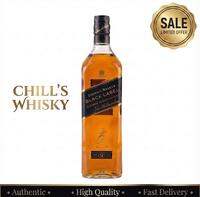
Johnnie Walker Black Label Blended Scotch Whisky 1Litre (No Box.)
₱918.02₱932.00
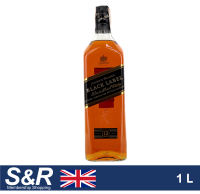
Johnnie Walker Black Label Blended Scotch Whisky 1L
₱1,308.00
Buy on Lazada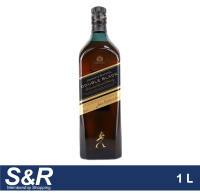
Johnnie Walker Double Black Blended Scotch Whisky 1L
₱1,951.00
Buy on Lazada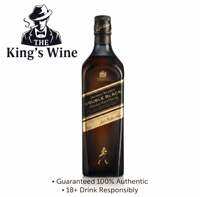
Johnnie Walker Double Black 1L Scotch Whisky NO BOX - 1L bottle - 18+ - Guaranteed 100% Authentic - Drink Responsibly
₱1,234.00₱1,253.00
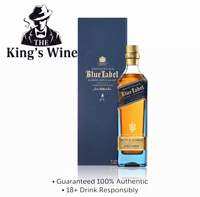
JOHNNIE WALKER Blue Label Whisky 750ml - Premium Scotch Whisky - 18+ Drink Responsibly - Guaranteed 100% Authentic
₱8,384.02₱8,599.00
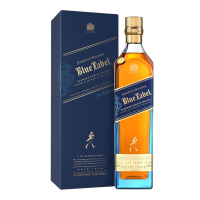
Johnnie Walker Blue Label Blended Scotch Whisky 75cl
₱7,583.51₱10,699.00
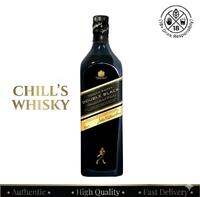
Johnnie Walker Double Black Blended Scotch Whisky 1 Litre.
₱1,231.25₱1,250.00
About Johnnie Walker
Johnnie Walker is a globally recognised Scotch whisky brand originating in Kilmarnock, Scotland. Owned and produced by Diageo, it is best known for its blended Scotch whiskies, distinctive square bottles, slanted labels, colour-coded range, and the iconic Striding Man logo. Diageo describes Johnnie Walker as the world’s best-selling Scotch whisky, noting that it is enjoyed in more than 180 countries.1
Basic information
| Category | Details |
|---|---|
| Brand | Johnnie Walker |
| Industry | Scotch whisky / Alcoholic beverages |
| Product type | Blended Scotch whisky, blended malt and related whisky expressions |
| Origin | Kilmarnock, Scotland |
| Founded | 1820 |
| Founder | John Walker |
| Current owner | Diageo |
| Signature symbol | The Striding Man |
| Famous slogan | “Keep Walking” |
| Best known products | Red Label, Black Label, Double Black, Green Label, Gold Label Reserve, Blue Label |
| Global reach | More than 180 countries |
| Brand positioning | Mainstream premium through luxury Scotch whisky |
Origins: John Walker
The history of Johnnie Walker began in 1820 in the Scottish town of Kilmarnock. John Walker, the son of a farmer, sold the family farm following his father’s death in 1819 and used the proceeds to establish a grocery shop in Kilmarnock in 1820. Among the various goods sold at this establishment was whisky.
During this period, the flavour of Scotch whisky could vary significantly between batches. To address this, John Walker began experimenting with blending different whiskies to achieve greater consistency. This approach became fundamental to the future brand:
Blend different whiskies to create a consistent and recognisable character.
Rather than relying on a single distillery, the business combined whiskies with varying characteristics to achieve specific flavour profiles. This philosophy laid the foundation for the global success of Johnnie Walker.2
Alexander Walker and business transformation
Following John Walker’s death in 1857, his son Alexander Walker assumed control of the business. Alexander was instrumental in transforming his father’s local enterprise into a significant Scotch whisky company.3
In the latter half of the 19th century, the firm increasingly focused on whisky production and developed proprietary commercial blends. A key milestone was the creation of Old Highland Whisky, one of the early branded blends. Historical records from Diageo place the development of the first commercial blend in the 1860s, while other sources identify Alexander’s branded Scotch in the late 1860s.4
Expansion was further facilitated by improvements in transport infrastructure. The arrival of the railway in Kilmarnock enabled the Walkers to distribute whisky well beyond their immediate local market.5
Square bottle design
A defining physical characteristic of Johnnie Walker is its square bottle. This design choice was originally driven by practical commercial considerations rather than aesthetics alone. The business found that square bottles could be packed more efficiently and were less prone to breakage during transit compared to traditional round bottles. Consequently, the shape served a functional purpose before becoming an integral element of the brand’s visual identity.6 Today, the square bottle remains one of the most immediate ways to identify Johnnie Walker on shelves.
The slanted label
Another distinctive feature is the diagonal label. Alexander Walker introduced the angled label to differentiate the product from competing whisky bottles on retail shelves. What began as a packaging distinction eventually evolved into one of the brand’s defining visual characteristics.7
The combination of the square bottle, diagonal label, bold typography, colour-coded labels, and the Striding Man created a highly recognisable package within the whisky category.
The Striding Man
The Striding Man is perhaps the most famous element of the Johnnie Walker identity. In 1908, the Walker family commissioned illustrator and cartoonist Tom Browne to create a figure representing the brand. The resulting image of an elegantly dressed man walking forward became the company’s iconic symbol.8
The character conveyed multiple concepts simultaneously: movement, ambition, confidence, progress, and modernity. These associations later became closely linked with the brand’s “Keep Walking” philosophy. The Striding Man was pivotal in transforming Johnnie Walker from a mere whisky label into a recognisable global lifestyle brand.
Colour-label system
Johnnie Walker is notable for identifying many of its core products primarily by colour. The established hierarchy includes:
Johnnie Walker Red Label
Red Label is positioned as an accessible and versatile expression, ranking among the brand’s most internationally recognisable products. It is commonly associated with mixed drinks, highballs, and casual consumption.
Johnnie Walker Black Label
Black Label is regarded as the brand’s classic premium expression. Traditionally associated with 12-year-old blended Scotch whisky, it has become one of the world’s best-known premium blended Scotches.
Johnnie Walker Green Label
Green Label is a blended malt Scotch whisky, distinguishing it from conventional blends containing both malt and grain whiskies. The current expression comprises whiskies matured for at least 15 years.
Johnnie Walker Gold Label Reserve
Gold Label Reserve occupies a higher premium tier, marketed with an emphasis on richness, smoothness, and celebration.
Johnnie Walker Blue Label
Blue Label serves as the luxury flagship of the core range. Introduced in 1992, it is crafted around rare and exceptional Scotch whiskies rather than adhering to a conventional age statement.
This colour progression effectively creates a brand ladder:
Red → Black → Green → Gold → Blue
This structure allows consumers to enter the brand at an accessible level and progress towards increasingly premium and luxury expressions.
Blended Scotch whisky
Understanding Johnnie Walker requires an understanding of blended Scotch whisky. While Scotch categories include single malt, single grain, and blended malt, a traditional blended Scotch combines malt and grain whiskies from multiple distilleries.
Johnnie Walker’s philosophy differs fundamentally from that of single-distillery brands. Whereas a single malt emphasises the character of a specific distillery, Johnnie Walker emphasises:
“This is the character created by our blender from many different whiskies.”
The master blender selects and combines whiskies in precise proportions to achieve a consistent flavour profile. Diageo states that this process involves a team of expert blenders and extensive experimentation with flavours, cask finishes, distillation conditions, and oak.
Distillery portfolio
The Walker family gradually acquired interests in key Scotch whisky distilleries to secure the malt whiskies necessary for their blends. Important distilleries historically associated with the Johnnie Walker portfolio include:
- Cardhu
- Talisker
- Mortlach
- Clynelish
- Dailuaine
This strategy was essential, as producing a globally successful blend requires a reliable supply of diverse whisky styles. Blenders utilise these components—contributing smoke, peat, fruit, sweetness, spice, maltiness, body, and floral notes—much like a palette to construct complex flavour profiles.
International expansion
Johnnie Walker achieved international distribution remarkably early. By 1920, the whisky was available in more than 120 countries. This was an extraordinary achievement for a Scotch whisky brand of that era.
The company established distribution networks across Europe, North America, Latin America, Asia, Africa, and Australia. Over time, Johnnie Walker became associated not only with Scotland but with international sophistication. Today, Diageo confirms the brand is enjoyed in more than 180 countries.
Royal Warrant
In 1934, John Walker & Sons received a Royal Warrant from King George V to supply whisky to the royal household. This warrant became a significant component of the brand’s prestige and heritage, reinforcing an image of quality, tradition, and British legacy.
Ownership under Diageo
Johnnie Walker is currently part of Diageo, one of the world’s largest beverage companies. The ownership history involves several corporate transitions. The Walker business joined the Distillers Company in 1925. Distillers was subsequently acquired by Guinness, which later merged with Grand Metropolitan in 1997 to form Diageo. Thus, the modern Johnnie Walker represents the global continuation of the historic John Walker & Sons business under Diageo ownership.
“Keep Walking” campaign
A central element of Johnnie Walker’s modern marketing is the slogan Keep Walking. Launched globally in 1999, the campaign connects directly to the Striding Man imagery.
The underlying message encourages perseverance, progress, and self-improvement. This approach allowed Johnnie Walker to market itself around an aspirational idea rather than solely focusing on the taste of the whisky, a distinction considered vital to its marketing success.
Brand personality
Johnnie Walker has cultivated a distinctive brand personality:
| Brand characteristic | Meaning |
|---|---|
| Progressive | Always moving forward |
| Confident | Self-assured rather than conservative |
| Ambitious | Associated with achievement and success |
| Masculine/Traditional | Historically presented through a gentlemanly aesthetic |
| International | Designed for a global audience |
| Premium | Strong association with quality and status |
| Adventurous | Encourages exploration and new experiences |
| Resilient | The “Keep Walking” philosophy emphasises persistence |
Through these attributes, the brand sells a symbolic identity of progress alongside its spirits.
Presence in popular culture
Johnnie Walker maintains a substantial presence in popular culture, with its bottles and branding appearing frequently in film, television, music, and celebrity media. Diageo specifically notes the brand’s appearance in the original 1982 film Blade Runner and later in television series such as The Sopranos.
Consequently, the brand has become associated with images of business, nightlife, luxury, travel, celebration, achievement, masculinity, and sophistication. This cultural visibility has made Johnnie Walker recognisable even among non-whisky drinkers.
Product architecture
The brand’s portfolio functions as a strategic ladder:
Entry / Accessible Premium
Red Label
↓
Core Premium
Black Label
↓
Premium Variations
Double Black / Green Label / Gold Label Reserve
↓
Luxury
Blue Label
↓
Ultra-Premium and Limited Editions
Special releases, rare blends, experimental expressions, and luxury packaging.
This architecture enables Johnnie Walker to appeal to consumers across various price points while maintaining a cohesive brand identity.
Competitive advantages
Johnnie Walker’s competitive strength lies in a combination of factors rather than the product alone:
- Heritage: Over 200 years of history.
- Blending expertise: A sophisticated system for combining whiskies from multiple distilleries.
- Visual identity: The square bottle, slanted label, and Striding Man.
- Product hierarchy: The established Red/Black/Green/Gold/Blue structure.
- Global distribution: Availability across a vast international market.
- Marketing: The emotional resonance of “Keep Walking”.
- Corporate resources: The distribution, marketing, and production capabilities of Diageo.
Together, these elements create a brand ecosystem that is difficult for competitors to replicate.
Sustainability and innovation
Johnnie Walker continues to experiment with packaging innovation. In 2024, Diageo announced a trial of a 90%-paper-based bottle for Johnnie Walker Black Label, testing the sustainable packaging at Johnnie Walker Princes Street in Edinburgh. This initiative reflects an effort to balance the brand’s heritage with contemporary sustainability concerns.
Current status
Today, Johnnie Walker is positioned as a global Scotch whisky house rather than a single product. Its identity synthesises Scottish heritage, blending craftsmanship, global luxury, modern culture, and a philosophy of progress. Diageo currently describes Johnnie Walker as the world’s best-selling Scotch whisky and the largest whisky brand globally. The brand continues to introduce new expressions and experiences while preserving its historic visual identity.
Historical timeline
| Year | Event |
|---|---|
| 1820 | John Walker opens a grocery shop in Kilmarnock |
| 1857 | John Walker dies; his son Alexander takes over |
| 1860s | Walker develops early commercial whisky blends |
| 1870s | Square bottles become part of the brand’s packaging |
| 1893 | Walkers acquire Cardhu |
| 1908 | Tom Browne creates the Striding Man |
| 1909 | Red and Black labels emerge in their recognisable form |
| 1920 | Johnnie Walker is available in 120+ countries |
| 1925 | John Walker & Sons joins Distillers Company |
| 1934 | Royal Warrant granted by King George V |
| 1992 | Johnnie Walker Blue Label launches |
| 1999 | “Keep Walking” global campaign launches |
| 2004/05 | Green Label develops into the modern blended-malt expression |
| 2010s | Johnnie Walker expands luxury, limited-edition and experimental ranges |
| 2020 | Brand celebrates its 200th anniversary |
| 2024 | Paper-based Black Label bottle trial announced |
| Today | Global brand sold in 180+ countries |
Factors in commercial success
The success of Johnnie Walker can be attributed to several strategic decisions:
- Consistency: John Walker’s original insight that blending could standardise whisky quality.
- Scalability: Utilising whiskies from multiple distilleries allowed for global production volumes unattainable by single distilleries.
- Distinctive packaging: The square bottle and diagonal label ensured immediate shelf recognition.
- Naming system: The simple colour system replaced obscure naming conventions, aiding consumer navigation.
- Iconic character: The Striding Man provided a human face for the brand.
- Emotional positioning: “Keep Walking” reframed whisky marketing around ambition and progress.
- Global distribution: Early international expansion established a footprint in over 120 countries by 1920.
Summary
Johnnie Walker is a Scottish Scotch whisky brand founded by John Walker in Kilmarnock in 1820. What began as a grocery business evolved into a global whisky company through the Walker family’s expertise in blending, innovative packaging, and aggressive international expansion. Its square bottle, slanted label, and Striding Man have become some of the most recognisable symbols in the alcohol industry, while the “Keep Walking” philosophy transformed the brand from a manufacturer into a global symbol of progress and perseverance. Today, under Diageo, Johnnie Walker spans accessible premium to ultra-premium Scotch whisky categories, with a presence in more than 180 countries.
References
- Johnnie Walker Scotch Whisky | Diageo
- The Johnnie Walker Story | Whisky Guide | Johnnie Walker Singapore
- The History of Whisky | Whisky Guide | Johnnie Walker UK
- Johnnie Walker celebrates 200-year journey | Diageo
- Johnnie Walker
- ‘Born in 1820 – Still going Strong’: 200 years of brand building on Johnnie Walker | Diageo
- Celebrating 200 years of our Johnnie Walker story from the Diageo Archive | Diageo
- Johnnie Walker