Shop on Lazada
Liushen products
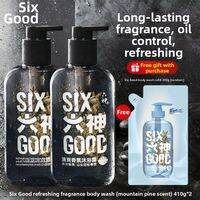
Liushen | Men Long-lasting Fragrance Shower Gel
₱1,412.99₱2,498.22
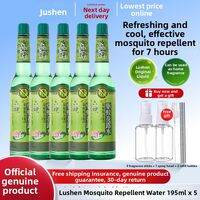
Liushen | Insect Repellent Itch Relief Scented Spray 195ml
₱1,937.82₱3,050.39
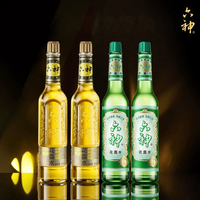
Liushen | Soothing and Refreshing Perfumed Floral Water 195ml
₱1,964.09₱2,670.49
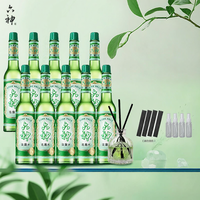
Liushen | Cooling Mosquito Repellent Itch Relief Floral Water
₱3,107.16₱4,239.63
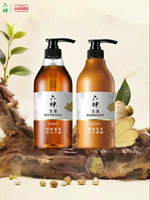
Liushen | Ginger Shampoo for Men and Women Oil Control Volumizing Strengthening Conditioning 720ml
₱1,905.05₱3,901.91
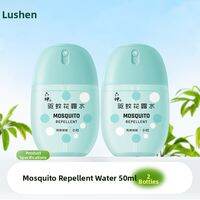
Liushen | Repellent and Itch Relief Strong Anti-mosquito Spray Long-lasting Fragrance
₱774.27₱1,242.29
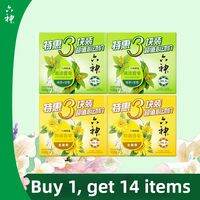
Liushen | Antibacterial Deep Cleansing Soap
₱1,052.70₱2,016.11
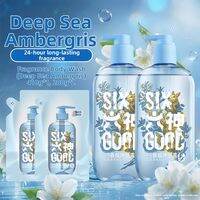
Liushen | Refreshing Long-lasting Fragrant Shower Gel 72H
₱1,504.21₱2,740.40
About Liushen
Overview
Liushen is a Chinese personal-care brand owned by Shanghai Jahwa United Co., Ltd. Established in 1990, it gained prominence primarily through its signature product, Liushen Floral Water (六神花露水), before expanding into body wash, soap, hand wash, shampoo, baby care, and other personal-care categories. The brand is closely associated with Chinese summer culture, cooling sensations, herbal ingredients, and the domestic “guohuo” (national goods) movement.1
Shanghai Jahwa currently lists Liushen among its core brands.2
Brand Name and Concept
The name Liushen (六神) translates literally to “Six Spirits” or “Six Divine Elements.” This nomenclature reflects the brand’s foundation in traditional Chinese medicine. Shanghai Jahwa states that Liushen products incorporate a proprietary “Liushen Extract” (六神原液) derived from six traditional botanical and herbal ingredients blended into conventional floral water. Consequently, the brand positions itself not merely as a fragrance line but as a fusion of traditional Chinese herbal culture and modern personal-care technology.
It is important to distinguish between Liushen as the overarching brand name and Liushen Floral Water as its most prominent product family.
History
Origins: 1989–1990
Liushen originated in the late 1980s when researchers at Shanghai Jahwa investigated traditional Chinese herbal remedies for common summer ailments such as prickly heat and itching. The company combined these traditional medicine concepts with floral water, a fragrant cooling liquid with a long history in China, to develop the original Liushen formulation.
In 1990, the first bottle of Liushen Floral Water was launched and quickly achieved market acceptance. The product’s innovation lay in combining traditional Chinese herbal knowledge with floral water, a cooling sensation, and mass-market packaging, giving Liushen a distinctive identity in the personal-care sector.
Rise of Liushen Floral Water
The brand’s growth is intrinsically linked to huālùshuǐ (floral water). In modern Chinese usage, this term refers to a fragrant, alcohol-based liquid used for refreshing, cooling, personal care, and mosquito protection. Liushen transformed this category into a staple of summer household life, emphasizing functions such as cooling, soothing itchy skin, relieving heat discomfort, and providing a refreshing fragrance.
Shanghai Jahwa describes Liushen as a pioneer of functional floral water, with the “Liushen Extract” serving as the signature technological and herbal concept behind the product family. At its peak, Liushen reportedly held more than 70% of China’s floral-water market, making it a dominant domestic brand in a highly recognizable consumer category.
Expansion Beyond Floral Water
Liushen has significantly diversified its portfolio since its inception. According to Shanghai Jahwa’s official brand history, key milestones include:
| Year | Development |
|---|---|
| 1990 | First Liushen Floral Water launched |
| 1995 | Liushen cooling body wash launched |
| 2005 | Spray floral water introduced |
| 2011 | Mugwort-based skin-care series launched |
| 2013 | Baby-care products introduced |
| 2021 | Jingcui (菁萃) series expanded the portfolio |
| 2023 | “Portable Egg” series represented a new youthful product direction |
| 2025–26 | Increased emphasis on mosquito protection, portability, technology, and younger consumers |
Today, the brand portfolio encompasses floral water, mosquito-repellent products, body wash, soap, hand wash, shampoo, baby-care products, powder products, portable summer items, and fragrance-oriented personal-care goods.
Signature Product: Liushen Floral Water
For many consumers, the name Liushen is synonymous with Liushen Floral Water. The classic product has become a cultural symbol of Chinese summer, characterized by several distinct attributes:
- Cooling Sensation: The product is strongly associated with a cool, fresh feeling, particularly valued during hot and humid summers.
- Herbal Identity: Rather than positioning itself purely as a modern fragrance, Liushen emphasizes its connection to Chinese herbal traditions.
- Recognizable Fragrance: The distinctive scent functions as a form of nostalgia for many consumers.
- Household Utility: It evolved from a niche beauty item into a practical product commonly kept in family homes.
This combination has helped transform Liushen from a simple fast-moving consumer good into a generational memory.
Cultural Association with Summer
Shanghai Jahwa has explicitly described Liushen as a “legendary summer brand,” noting its close association with seasonal memories. In China, the brand is culturally connected to hot weather, electric fans, mosquito bites, prickly heat, post-heat showers, family bathrooms, childhood, summer holidays, and the olfactory atmosphere of households in the 1990s and 2000s. This sensory link allows the product to function as a memory trigger.
The distinctive scent has become part of popular culture, creating an informal brand shorthand where smelling Liushen immediately evokes thoughts of summer. This form of sensory branding allows Liushen to be recognized through smell alone, without reliance on visual advertising.
Brand Philosophy and Identity
Core Themes
Liushen’s positioning rests on four consistent pillars:
- Traditional Chinese Wisdom: Deliberate integration of herbal and traditional-medicine culture.
- Modern Interpretation: Reinterpreting herbal concepts through contemporary formulations, packaging, and categories rather than treating them as historical artifacts.
- Functional Personal Care: Emphasizing “functional herbal care” to provide practical benefits rather than an abstract natural image.
- Accessibility: Maintaining a mass-market orientation designed for ordinary households rather than luxury positioning.
Visual and Sensory Identity
The brand’s identity is heavily associated with the color green, reinforcing concepts of freshness, plants, cooling, nature, and summer. Shanghai Jahwa has used the phrase “Green Empire” to describe Liushen’s historical dominance in the summer market. Coolness (liáng) remains the single most important sensory idea behind the brand, while the herbal component differentiates it from conventional Western-style personal-care brands.
Relationship with “Guohuo” and Youth Marketing
Status as a Domestic Classic
Liushen is frequently cited as a classic “guohuo” (domestic goods) brand. Unlike newer heritage brands that capitalized on the recent “guochao” (China-chic) trend, Liushen achieved mass popularity decades earlier. Its challenge has been maintaining relevance with younger consumers who may perceive the brand as old-fashioned or associated solely with older generations.
Brand Rejuvenation
Recognizing the issue of brand aging, Shanghai Jahwa initiated a rejuvenation strategy in the 2010s. This included celebrity collaborations with entertainers such as Li Bingbing, Yao Chen, and Hua Chenyu. The brand also experimented with cross-category collaborations, notably partnering with RIO to create a Liushen-themed cocktail, which generated significant online attention due to the unexpected pairing of a traditional personal-care brand with an alcoholic beverage.
Strategic Evolution
Historically seasonal, Liushen has pursued an “all-season, younger, more premium” strategy since the 2020s to reduce reliance on summer sales. This involves expansion into scented body washes, sophisticated fragrances, portable products, baby care, and everyday personal care.
A critical development is the stronger positioning around professional mosquito protection. In 2025, strategic themes focused on professional mosquito-repellent technology and youthful image rejuvenation. The portable Liushen Mosquito Repellent Egg became a major new product, reportedly becoming the brand’s first online product to reach the RMB 100 million scale. In 2026, a third-generation Mosquito Repellent Egg was announced, continuing the expansion into outdoor protection and child-related products.
As of 2026, the third-generation portable mosquito-repellent product uses 20% icaridin (picaridin) and is marketed with claimed protection durations of up to 8.2 hours against mosquitoes. This represents a significant evolution from the brand’s original 1990 proposition.
Collaborations and Intellectual Property
Liushen has increasingly collaborated with cultural and entertainment intellectual property. A notable 2026 collaboration with Yida Wenchuang, connected to the Memorial of the First National Congress of the Communist Party of China, produced a “Cool Summer Gift Box.” This initiative exemplifies the strategy of combining traditional Chinese cultural themes with contemporary domestic consumer branding.
Corporate Structure and Market Position
Liushen is not an independent company but a brand within Shanghai Jahwa United Co., Ltd., one of China’s historically significant cosmetics and personal-care companies. Shanghai Jahwa’s portfolio also includes Dr.Yu, Herborist, Maxam, GF, Giving, and HomeAegis.3 This parent-company relationship provides Liushen with integrated R&D, manufacturing, supply chain, distribution, and marketing capabilities.
Market-wise, Liushen is considered a pioneer of functional floral water, with historical market share exceeding 70%. Alongside body wash, floral water remains one of the brand’s two historically important product pillars. While floral water established the brand’s fame, body wash broadened its personal-care appeal, and mosquito protection products are currently defining its next phase of growth.
Awards and Recognition
Liushen has received various industry and government recognitions:
- 1997: Designated as a “Shanghai Famous Trademark.”
- 2023: Recognized as a “China Manufacturing · Consumer Trusted Brand.”
- 2024: Entered the “Shanghai Good Trademark” group.
- 2026: Received the 2025 New Makeup Awards Influential Brand recognition.
- 2025: The “Liushen Egg Beating Plan” marketing campaign won a silver award at the TBI Outstanding Brand Innovation Awards.
Strengths and Challenges
Strengths
- High Recognition: The name Liushen is widely recognized among Chinese consumers.
- Distinctive Sensory Identity: The characteristic fragrance and cooling sensation are difficult to confuse with competitors.
- Cultural Authenticity: Connection to Chinese herbal traditions provides a distinct local identity.
- Heritage: Over three decades of consumer familiarity contribute substantial brand equity.
- Innovation Capacity: Demonstrated ability to expand from floral water into body wash, fragrance, portable products, and mosquito protection.
Challenges
- Aging Perception: Younger consumers may view classic products as intended for older generations.
- Seasonality: Traditional brand propositions remain heavily tied to summer.
- Competition: Faces competition from both international giants and domestic personal-care companies.
- Modernization Dilemma: Balancing the need for modernization without eroding the nostalgic identity that defines the brand.
- Positioning Balance: Navigating the shift from purely functional purchasing drivers to lifestyle and aesthetic considerations while maintaining herbal efficacy claims.
Current Status
As of 2026, Liushen has evolved from a traditional household summer product into a broader personal-care and mosquito-protection brand. Its identity combines traditional herbal wisdom, cooling sensations, and summer culture with modern mosquito protection, fragrance, outdoor care, and youth-oriented lifestyle products. The brand’s current official positioning is that of a personal-care specialist rooted in “fresh herbal wisdom.”3