Shop on Lazada
Skippy products
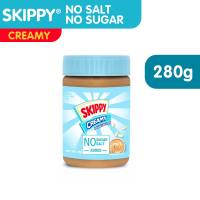
SKIPPY® No Sugar No Salt Added
₱177.00
Buy on Lazada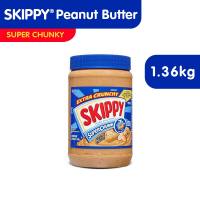
SKIPPY® Chunky Peanut Butter (1.36kg)
₱586.00
Buy on Lazada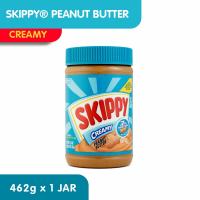
SKIPPY® Creamy Peanut Butter (462g)
₱261.00
Buy on Lazada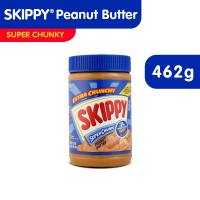
SKIPPY® Chunky Peanut Butter (462g)
₱261.00
Buy on Lazada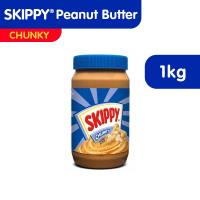
SKIPPY® Chunky Peanut Butter (1kg)
₱471.00
Buy on Lazada
SKIPPY® Creamy Peanut Butter (1.36kg)
₱586.00
Buy on Lazada
SKIPPY® Creamy Peanut Butter (1kg)
₱471.00
Buy on Lazada
SKIPPY® Peanut Butter Chunky (170g)
₱112.00
Buy on LazadaAbout Skippy
Overview
| Category | Details |
|---|---|
| Brand Name | Skippy |
| Industry | Food & Beverage |
| Product Category | Peanut Butter & Peanut-Based Snacks |
| Founded | 1932 (commercial launch), widely marketed from 1933 |
| Founder | Joseph L. Rosefield |
| Country of Origin | United States |
| Current Owner | Hormel Foods |
| Headquarters (Brand Owner) | Austin, Minnesota, USA |
| Markets | Worldwide |
History
Skippy was created by Joseph L. Rosefield, a food innovator who improved peanut butter manufacturing by developing a stabilization process that prevented the oil from separating as quickly as traditional peanut butter. This innovation produced a creamier, longer-lasting spread that quickly gained popularity among consumers. [1]
The brand was first introduced in 1932, with broader commercial expansion beginning in 1933. Soon afterward, Skippy became known for several industry innovations, including:
-
Introducing one of the first crunchy-style peanut butters (1934)
-
Becoming the first peanut butter packaged in a wide-mouth jar (1935)
-
Expanding production throughout the United States during the mid-20th century [1]
Ownership of the brand changed several times over the decades:
-
Joseph L. Rosefield
-
CPC International
-
Bestfoods
-
Unilever
-
Hormel Foods (since 2013) [1]
Products
Skippy offers a wide variety of peanut butter products, including:
-
Creamy Peanut Butter
-
Super Chunk (Crunchy) Peanut Butter
-
Natural Peanut Butter
-
No Sugar Added Peanut Butter
-
Reduced Fat Peanut Butter
-
Peanut Butter with Honey
-
Plant-Based Protein Peanut Butter
-
Squeeze Packs
-
Peanut Butter Bites
-
Peanut Butter Wafer Bars
-
Seasonal and limited-edition snack products [1]
Manufacturing
Skippy peanut butter for the U.S. market is produced in Little Rock, Arkansas, where manufacturing has taken place since 1977. The facility is capable of producing millions of pounds of peanut butter each week. The brand is also manufactured in other regions, including China, to serve international markets. [1]
Brand Identity
Skippy is known for emphasizing:
-
Smooth, creamy texture
-
Roasted peanut flavor
-
Family-friendly branding
-
Convenience and portability
-
Innovation in peanut butter products
Its advertising frequently highlights enjoyment, fun, and everyday family meals, positioning peanut butter as more than just a sandwich spread. [1]
Global Presence
Today, Skippy products are sold in many countries across:
-
North America
-
Asia
-
Europe
-
Australia
-
Latin America
The brand has established a particularly strong presence in Asia and has been one of the leading peanut butter brands in China. [2]
Notable Milestones
-
1932 – Skippy peanut butter introduced.
-
1934 – First crunchy-style peanut butter launched.
-
1935 – First wide-mouth peanut butter jar introduced.
-
1948 – U.S. trademark registration obtained.
-
1977 – Production begins at the Little Rock, Arkansas facility.
-
1994 – Reduced Fat and Super Chunk varieties introduced.
-
2005 – Natural peanut butter line launched.
-
2013 – Hormel Foods acquires the Skippy brand.
-
2016 – Introduction of Skippy P.B. Bites.
-
2019 – Launch of convenient squeeze-pack packaging.
-
2020 – Introduction of No Sugar Added and Plant-Based Protein peanut butter products.
-
2023–2024 – Expansion into new snack offerings and renewed presence in the Canadian market. [1]
Market Position
Skippy is widely recognized as one of the leading peanut butter brands in the world. It is among the best-selling peanut butter brands in the United States and has achieved particularly strong market leadership in China, competing with other major brands in the global peanut butter market. [2]
Legacy
For more than 90 years, Skippy has played a significant role in popularizing modern peanut butter through product innovation, convenient packaging, and consistent quality. Its development of stabilized peanut butter helped shape the modern peanut butter industry, making the brand a household name across generations. [3]