Shop on Lazada
Marutai products
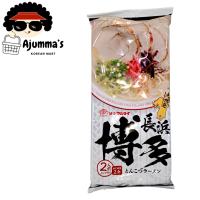
Japan Marutai Ramen - Kagoshima/Kurume Noko/Kumamoto Kuro/Hakata Tonkatsu Flavor Noodle
₱145.00
Buy on Lazada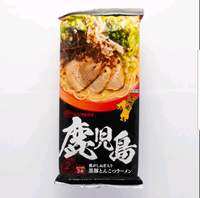
Japan Marutai Instant Ramen Noodle Soup (Serves 2 pax)
₱164.00
Buy on Lazada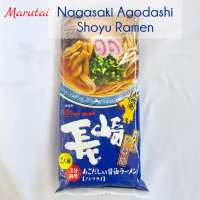
Marutai Instant Ramen (2 servings per pack)
₱180.00
Buy on Lazada![[ONE BOX] Japan Marutai Instant Ramen Noodle Soup (Serves 2 pax)](https://filebroker-cdn.lazada.com.ph/kf/S75d9d87d81734a538464b02e0e79e305A.jpg_200x200q80.jpg)
[ONE BOX] Japan Marutai Instant Ramen Noodle Soup (Serves 2 pax)
₱2,350.00
Buy on Lazada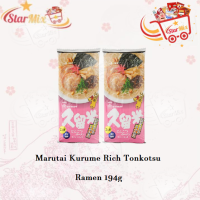
Marutai Kurume Rich Tonkotsu Ramen 194g
₱160.00₱180.00
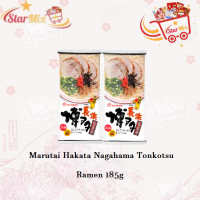
Marutai Hakata Nagahama Tonkotsu Ramen 185g
₱160.00₱180.00
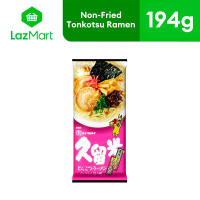
Marutai Kurume Tonkotsu Ramen Non-fried 194g
₱207.51₱211.75
![[Japan] Marutai Instant Ramen - Kumamoto Kuro Mayu Tonkotsu (2 servings)](https://ph-live.slatic.net/p/a59c0ef847bd0cc9cc99ec3908a5f119.jpg_200x200q80.jpg)
[Japan] Marutai Instant Ramen - Kumamoto Kuro Mayu Tonkotsu (2 servings)
₱179.00₱189.00
About Marutai
Marutai Co., Ltd. (株式会社マルタイ, Kabushiki-gaisha Marutai) is a Japanese food manufacturer headquartered in Fukuoka City, Fukuoka Prefecture. The company is best known for Marutai Ramen, a distinctive packaged stick-style instant ramen (bō rāmen). Marutai has built its corporate identity around the flavors and food culture of Kyushu, particularly Hakata and Fukuoka-style ramen.1
Unlike the square blocks of fried noodles common in many instant ramen products, Marutai’s flagship noodles are long, thin, and straight, packaged in a narrow rectangular format. The company regards itself as a pioneer of instant stick noodles, having introduced the original Marutai Ramen in 1959.1
Quick facts
| Category | Information |
|---|---|
| Official name | Marutai Co., Ltd. (株式会社マルタイ) |
| Japanese brand name | 味のマルタイ / Marutai |
| Industry | Food manufacturing |
| Main products | Instant ramen, stick noodles, cup noodles, sara udon, seasonings and related foods |
| Best known for | Marutai Stick Ramen |
| Founded as a business | 1947 |
| Incorporated | June 1, 1960 |
| Original Marutai Ramen | 1959 |
| Headquarters | Fukuoka City, Fukuoka, Japan |
| Factories | Fukuoka and Karatsu, Saga |
| Stock exchange | Fukuoka Stock Exchange |
| Capital | ¥1,998,630,000 |
| Corporate philosophy | Contributing to a rich food culture through the development, manufacture and sale of instant noodles |
Current corporate information lists the company’s main business as the manufacturing of noodles, seasonings, and confectionery.1
Origins
The history of Marutai predates the incorporation of the current company. In May 1947, a noodle-making business named Taimeido (泰明堂) began operations in Fukuoka. It initially produced ordinary noodles, including tama udon, before transitioning into the developing instant-noodle industry.1
In November 1959, the company launched Instant Marutai Ramen (即席マルタイラーメン). This product was one of the earliest examples of an instant stick-shaped Chinese noodle, establishing the format that would become synonymous with the Marutai name.1
Taimeido was formally incorporated as Taimeido Co., Ltd. in June 1960, and a factory in Fukuoka was completed later that year.1
Significance of the stick format
Marutai’s primary innovation was the stick format rather than instant ramen itself. Instead of using block-shaped fried noodles, the company developed a long, straight noodle that could be packaged in a compact cylindrical or rectangular form. The modern Marutai Ramen continues to use non-fried, non-steamed straight noodles, which the company states provides a texture and flavor closer to fresh noodles.1
Development during the 1960s
During the 1960s, Marutai expanded from its signature ramen into a broader instant-food manufacturer. Key milestones during this decade included:
- 1961: Marutai Ramen won a gold prize at Japan’s first national instant-ramen competition.
- 1963: A separate Marutai company was established for the sales division.
- 1964: The company developed powdered soup technology and introduced Wantanmen.
- 1966: A factory was completed in Kitahata, Saga Prefecture.
- 1969: Marutai introduced Yatai Ramen, described as the industry’s first instantized tonkotsu-flavored soup product.1
The introduction of Yatai Ramen was significant because tonkotsu ramen is strongly associated with Kyushu and Fukuoka. Through this product, Marutai positioned itself around regional Japanese ramen culture rather than generic instant noodles.1
Expansion into other noodle categories
Marutai expanded beyond stick ramen during the 1970s. In 1975, it introduced its first cup noodle product, Marutai Noodle. This was followed by Nagasaki Champon in cup-noodle form in 1976 and Nagasaki Sara Udon in 1979.1
These launches established a recurring theme in the company’s portfolio: adapting famous Kyushu and western-Japanese noodle dishes into convenient packaged foods. The product lineup eventually grew to encompass stick ramen, tonkotsu ramen, regional ramen varieties, cup noodles, champon, sara udon, fried noodle dishes, restaurant-collaboration products, and seasonings.1
The Marutai name
The company underwent several organizational changes throughout its history. In 1990, it changed its corporate name to Marutai Co., Ltd. (株式会社マルタイ) and established its current corporate identity mark.1
The brand is frequently presented in Japan as 「味のマルタイ」, meaning “The taste of Marutai.” The company has deliberately connected this branding with regional taste, specifically Kyushu’s ramen culture.1
Distinctive characteristics
Stick noodle format
The most recognizable characteristic of Marutai products is the noodle shape. A typical package contains long, straight noodles rather than the compressed square cake found in conventional instant ramen. The flagship Marutai Ramen uses non-fried, non-steamed straight noodles intended to replicate the qualities of fresh noodles, giving the finished dish a distinct character compared to standard instant varieties.1
Regional ramen flavors
Marutai’s identity is closely linked to Kyushu. The product lineup includes styles associated with specific locations and traditions throughout the region, including Hakata/Fukuoka tonkotsu, Kumamoto ramen, Nagasaki dishes, and various other regional styles. The company emphasizes that it has spent more than 60 years developing products based on Kyushu flavors.1
Signature and notable products
Marutai Ramen
Originally introduced in 1959, this remains a core product for the brand. The current version features straight, non-fried noodles with a soup base of pork and chicken, characterized by a relatively light soy-sauce profile. In Japan, the terms “Marutai” and “stick ramen” have become closely linked concepts due to this product’s longevity.1
Tonkotsu Stick Ramen
Reflecting its Kyushu identity, Marutai produces several tonkotsu-oriented stick ramen products. These aim to reproduce the creamy, pork-based flavor associated with Fukuoka and Hakata ramen.1
Regional specialization
Rather than treating ramen as a single generic flavor, Marutai produces variations representing different local traditions. This strategy distinguishes the brand from mass-market instant-noodle manufacturers that focus primarily on standardized flavors.1
Restaurant collaborations
Marutai develops products in collaboration with well-known ramen restaurants. The lineup includes items supervised by Ganso Nagahamaya and Hakata Ikkousha. The Ganso Nagahamaya collaboration features straight, non-fried noodles and a Nagahama-style tonkotsu soup, while the Ikkousha product is designed around that restaurant’s richer Hakata-style tonkotsu. This approach brings the identity of local restaurants into supermarket-friendly packaged formats.1
Connection to Kyushu
Kyushu, the southwesternmost of Japan’s four main islands, is home to several major ramen traditions. Fukuoka is internationally famous for Hakata ramen, characterized by thin noodles and tonkotsu broth. With headquarters in Fukuoka, Marutai explicitly describes itself as delivering Kyushu’s flavors to consumers in Japan and globally.1
The brand functions not only as an instant noodle manufacturer but as a company attempting to commercialize and preserve regional Japanese noodle culture through packaged foods.1
Relationship with Sanyo Foods
In 2009, Marutai entered into a capital and business alliance with Sanyo Foods Co., Ltd., and began outsourcing manufacturing to Sanyo Foods in 2010.1 Despite this partnership, Marutai remains an independent company and brand. The arrangement allows a specialized food company to leverage a larger industry partner while maintaining its own product identity.1
Corporate structure and manufacturing
Marutai’s headquarters are located at 1042-1 Imajuku-Aoki, Nishi-ku, Fukuoka City, Fukuoka 819-0193, Japan. The company operates manufacturing facilities in Fukuoka, Karatsu (Saga), and Kitahata (Karatsu, Saga).1
Its principal business is the manufacture of noodles and seasonings, with confectionery also included in current corporate descriptions. Marutai is publicly listed on the Fukuoka Stock Exchange.1
Quality and food safety
Marutai places emphasis on manufacturing standards. Its Fukuoka factory obtained ISO 9001 certification in 2015. The company subsequently obtained FSSC 22000 food-safety certification for its headquarters and Fukuoka facility, and later for its Saga facility.1
In 2024, Marutai voluntarily returned its ISO 9001 certification as part of an effort to unify its internal management system following the adoption of FSSC 22000.1
Stick Ramen Day
Brand character
In March 2021, Marutai introduced an official character family called the Marutai Family (マルタイファミリー).1 While the brand’s identity was historically tied to traditional packaging and Kyushu heritage, this character system provides a more approachable, family-oriented personality suited for modern marketing and social media engagement.1
Brand philosophy
Marutai describes its management philosophy as contributing to a rich food culture through the development, manufacturing, and sale of instant noodles.1 Stated priorities include taste, quality, safety, product development, regional food culture, customer needs, and contribution to local communities.
Development teams reportedly visit various restaurants, examine flavors, analyze prototypes, and conduct repeated sensory testing during the product creation process.1
International identity
Although rooted in Kyushu, Marutai presents itself as a brand for an international audience. Its English-language corporate site uses the slogan: “From Kyushu, Japan to Tables Around the World.”1
This positioning addresses the global growth of Japanese ramen as a food category. Internationally, Marutai distinguishes itself not merely as a producer of Japanese instant noodles, but as a specialist in Japanese regional ramen offered in a unique stick-noodle format. The brand’s identity chain connects Japan to Kyushu, then to Fukuoka/Hakata food culture, and finally to Marutai stick ramen.1
Major historical timeline
| Year | Event |
|---|---|
| 1947 | Taimeido begins noodle production in Fukuoka |
| 1959 | Original Instant Marutai Ramen launched |
| 1960 | Taimeido Co., Ltd. incorporated |
| 1961 | Marutai Ramen wins gold at national instant-ramen competition |
| 1964 | Powdered soup technology developed; Wantanmen introduced |
| 1966 | Saga/Kitahata factory completed |
| 1969 | Yatai Ramen, an early instant tonkotsu product, launched |
| 1975 | First Marutai cup noodle launched |
| 1976 | Nagasaki Champon cup noodle launched |
| 1979 | Nagasaki Sara Udon launched |
| 1990 | Company renamed Marutai Co., Ltd. |
| 1995 | Listed on Fukuoka Stock Exchange |
| 2006 | Premium Hieda’s Hakata Tonkotsu Ramen launched |
| 2009 | Capital/business alliance with Sanyo Foods |
| 2010 | 50th anniversary; manufacturing outsourcing to Sanyo Foods begins |
| 2013 | Marutai Ramen receives a Long Seller Award |
| 2015 | ISO 9001 certification obtained |
| 2020 | November 11 recognized as Stick Ramen Day |
| 2021 | Marutai Family characters introduced |
| 2022 | New Saga factory completed; FSSC 22000 certification obtained |
| 2023 | Saga factory obtains FSSC 22000 |
| 2024 | ISO 9001 certification voluntarily returned following management-system integration |
| 2026 | Company continues expanding its stick-ramen and regional-product lineup |
Place in Japanese food culture
Marutai occupies a distinct niche in Japan’s instant-noodle industry. Rather than competing directly with large instant-food conglomerates across all categories, it has focused on stick noodles, Kyushu regional ramen, and long-running products. Its flagship ramen has survived for more than six decades, and the company describes the product as effectively synonymous with the Marutai name.1
This longevity is notable given the highly competitive nature of the Japanese instant-noodle market, which constantly introduces new flavors. Marutai’s strategy involves building new products around established regional and noodle-making expertise rather than abandoning its traditional identity.1
Brand summary
Marutai can be summarized as Kyushu ramen culture adapted into convenient packaged noodles. Its primary brand assets include:
- Heritage: Roots dating to 1947 and the original stick ramen of 1959.
- Distinctive format: Straight, stick-shaped noodles.
- Regional authenticity: Strong association with Fukuoka and Kyushu.
- Ramen specialization: Focus on tonkotsu and other regional styles.
- Longevity: More than 60 years of Marutai Ramen.
- Product diversity: Stick ramen, cup noodles, sara udon, champon, and restaurant collaborations.
- Cultural identity: Stick Ramen Day, Marutai Family characters, and regional-food positioning.
- International potential: Positioning Kyushu ramen for consumers outside Japan.1
Marutai is a Fukuoka-based Japanese food company founded in the postwar era that became famous for pioneering stick-shaped instant ramen, and today uses that heritage to promote Kyushu’s diverse ramen and noodle culture in Japan and internationally.1